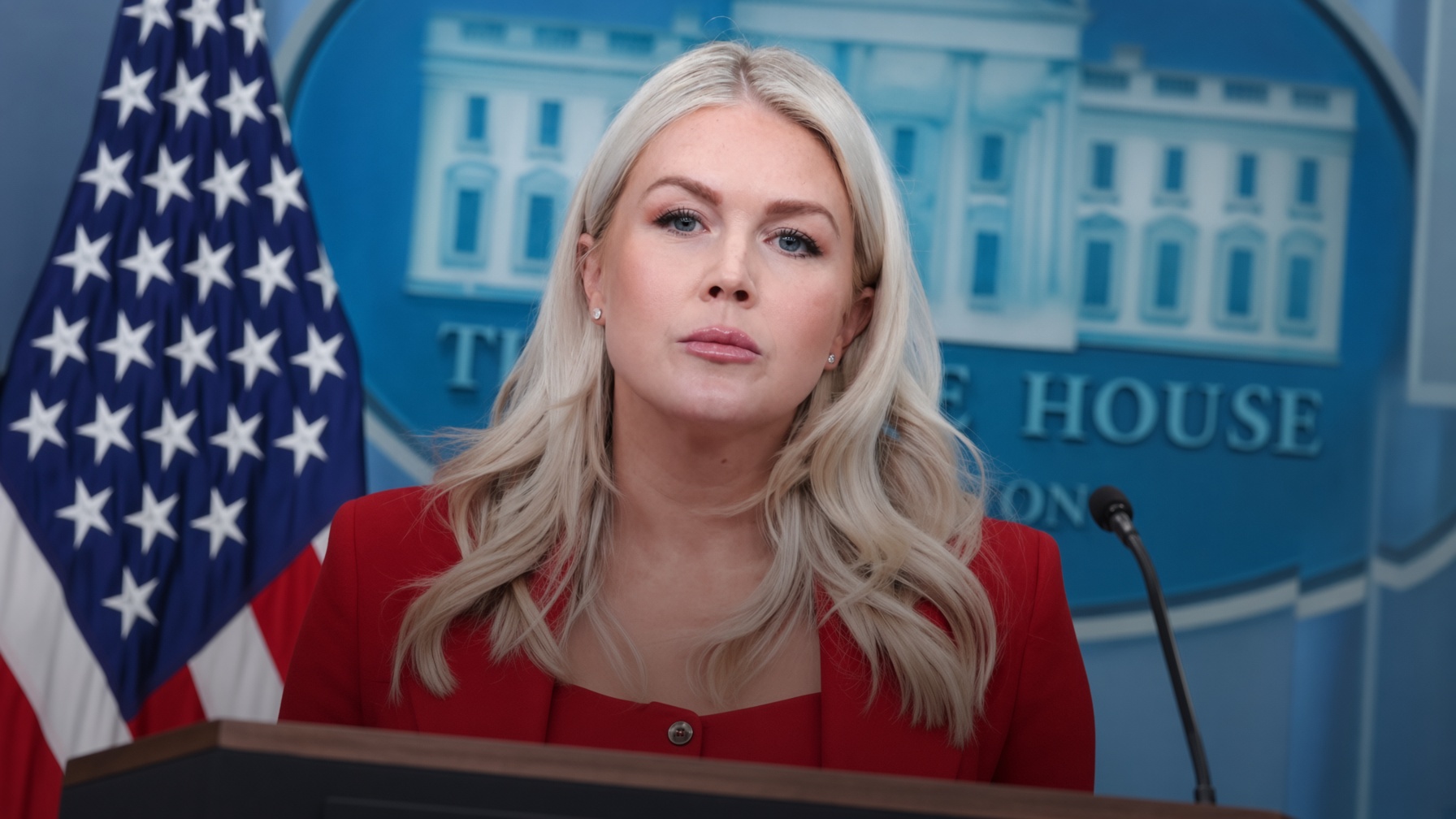
WASHINGTON — President Donald Trump has announced that White House Press Secretary Karoline Leavitt will leave her position at the end of August, marking a significant change for the administration’s communications operation as Republicans head toward the 2026 midterm elections.
Trump announced Leavitt’s departure Wednesday, praising the 28-year-old press secretary as a trusted member of his administration. He said she had decided to step away from the demanding White House role to spend more time with her young children and family.
The president also indicated that Leavitt’s departure from government would not end her involvement in his political operation. She is expected to remain an adviser and continue playing a role in Republican politics outside the White House.
Leavitt became the youngest person ever to serve as White House press secretary when she took the position at the beginning of Trump’s second administration in January 2025. Before returning to the White House, she worked on Trump’s 2024 presidential campaign and previously held communications roles during his first administration.
During her tenure, Leavitt quickly became one of the most recognizable faces of the administration. Her regular briefings frequently attracted national attention, particularly when she engaged in contentious exchanges with reporters while defending Trump’s policies.
Leavitt developed a reputation for directly challenging questions she considered inaccurate or unfair. Her aggressive communication style earned strong support from Trump’s political base, while critics argued that her approach further intensified tensions between the administration and traditional news organizations.
She also played a prominent role in the White House’s effort to expand access for conservative, independent and digital media outlets. The administration made changes to longstanding press-access practices, including adjustments to the White House press pool.
Supporters said the changes opened the door to media organizations that had historically received less access. Critics argued that the new approach weakened the role of established news organizations and disrupted traditional White House press practices.
Leavitt’s announcement comes shortly after she returned to the briefing room following maternity leave. She gave birth to her second child, a daughter, in May and also has a young son.
Her decision to leave the administration reflects, according to Trump’s announcement, a desire to devote more time to her family after more than a year in one of Washington’s most demanding political positions.
The White House has not yet announced who will replace Leavitt. Several names could emerge as potential candidates, but no successor has been formally selected.
The timing makes the decision particularly significant. The next press secretary will take over as the administration prepares for the 2026 midterm elections, a period expected to bring intense political battles, congressional scrutiny and increased media attention.
Leavitt’s departure therefore represents more than a routine personnel change. It closes a highly visible chapter of Trump’s second-term communications strategy while potentially opening a new role for Leavitt as an outside political adviser.
For now, the administration faces the challenge of finding a successor capable of defending its agenda and navigating one of the most closely watched communications jobs in Washington.