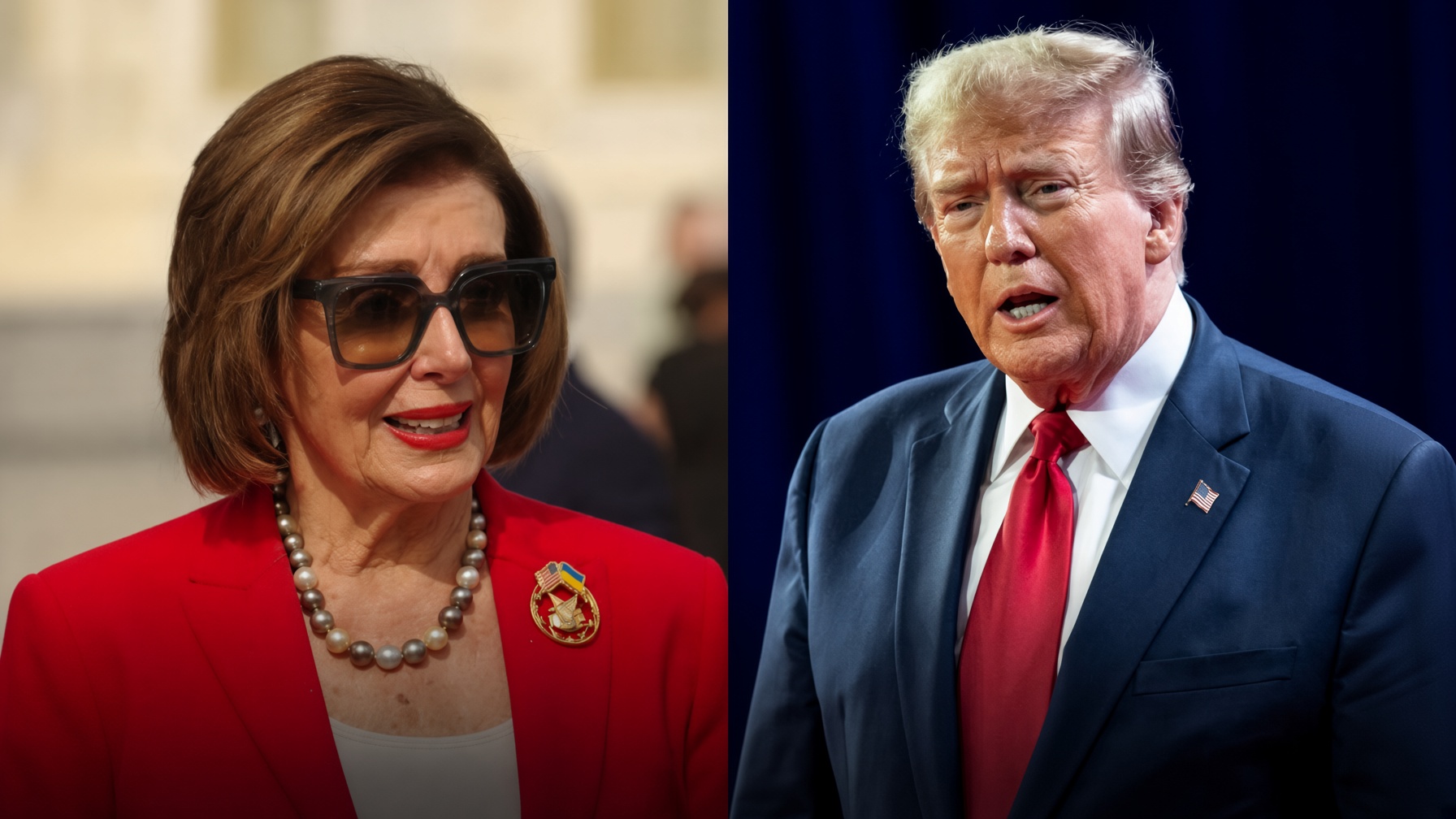
Debate over financial transparency in Washington has sharpened, with critics arguing that greater attention should be paid to the personal fortunes of elected officials rather than focusing primarily on the tax returns of wealthy private citizens who later entered public life.
Attention has centered on long-serving members of Congress whose net worth grew substantially during their time in office. House Speaker Emerita Nancy Pelosi and her family’s financial holdings and stock transactions have drawn particular scrutiny. Questions have been raised about potential conflicts of interest and whether lawmakers have access to information or opportunities unavailable to the general public.
Supporters of expanded disclosure argue that if elected officials demand detailed financial transparency from private individuals, they should apply comparable standards to themselves. They contend that public service should not become a vehicle for significant personal enrichment.
President Trump and the House Oversight Committee have highlighted what they describe as a culture of self-enrichment in the capital. Their efforts have focused on examining how some lawmakers entered Congress with modest means and left with substantial wealth.
Proponents of reform say the core principle is straightforward: elected office exists to serve the public interest, not to build private fortunes. They call for consistent accountability measures that apply across the political spectrum rather than selective examinations driven by partisan priorities.
The discussion reflects broader public concern about the intersection of power, information and personal financial gain in Washington. Whether these calls produce concrete legislative changes on disclosure rules or stock-trading restrictions remains to be determined by Congress.