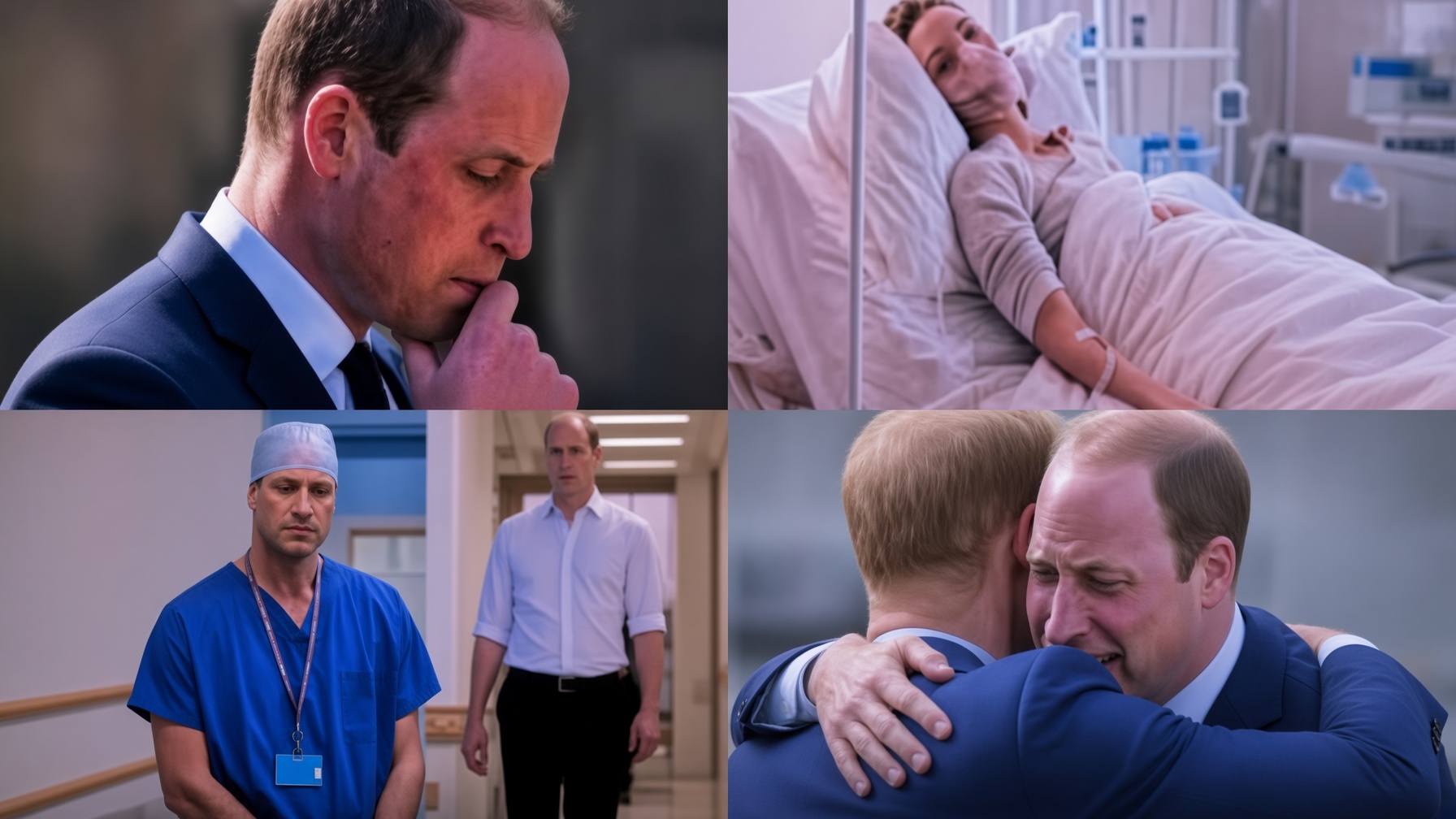
**Reports of a private conversation between King Charles III and Prince William have circulated in recent days, describing an unusually personal exchange focused on family history, grief, and long-standing tensions within the royal family.**
According to accounts attributed to unnamed sources, the discussion took place without advisers or prepared statements. Charles is said to have spoken not primarily as monarch but as a father, addressing aspects of the past that have shaped both his sons. The reports claim he expressed regret over decisions made earlier in life and the lasting impact of the family’s public and private difficulties.
William was fifteen and Harry twelve when their mother, Diana, Princess of Wales, died in a car crash in Paris in August 1997. The brothers walked behind her coffin in the funeral procession, an image that remains one of the most enduring of modern British history. Both have later spoken about the intense public scrutiny that accompanied their private grief and the expectations placed on them as young princes.
Over the years the brothers have taken different paths. William has remained closely aligned with the institution, preparing for his eventual role as king. Harry stepped back from royal duties and moved to the United States, speaking more openly about the emotional consequences of royal life, family conflict and the loss of his mother. Those differences have contributed to a well-documented estrangement between the brothers and strained relations with their father.
Any genuine private acknowledgment of regret by Charles would be significant within a family that has traditionally handled personal difficulties with discretion. Royal institutions prioritize continuity and public duty; open discussion of private pain has rarely been part of that tradition. Sources caution, however, that accounts of such conversations are difficult to verify and often expand in the retelling.
Observers note that no single conversation can rewrite the past. Diana’s death, the breakdown of Charles and Diana’s marriage, and the subsequent years of public and private strain remain fixed points in the family’s history. Acknowledgment may reduce silence, but it does not erase memory or automatically restore trust.
The reports also raise questions about Harry’s place in any broader family reckoning. Distance from the institution has not removed the shared history of the two brothers. Whether similar words would be offered to him, or accepted if they were, remains unknown.
For now, the story rests on unverified private claims. What is clear is that the royal family continues to navigate the long-term consequences of events that began more than two decades ago. Any meaningful progress would likely occur privately and imperfectly, through repeated conversation rather than public spectacle. Titles and institutions cannot resolve personal grief; only the people carrying it can decide whether to attempt that work.