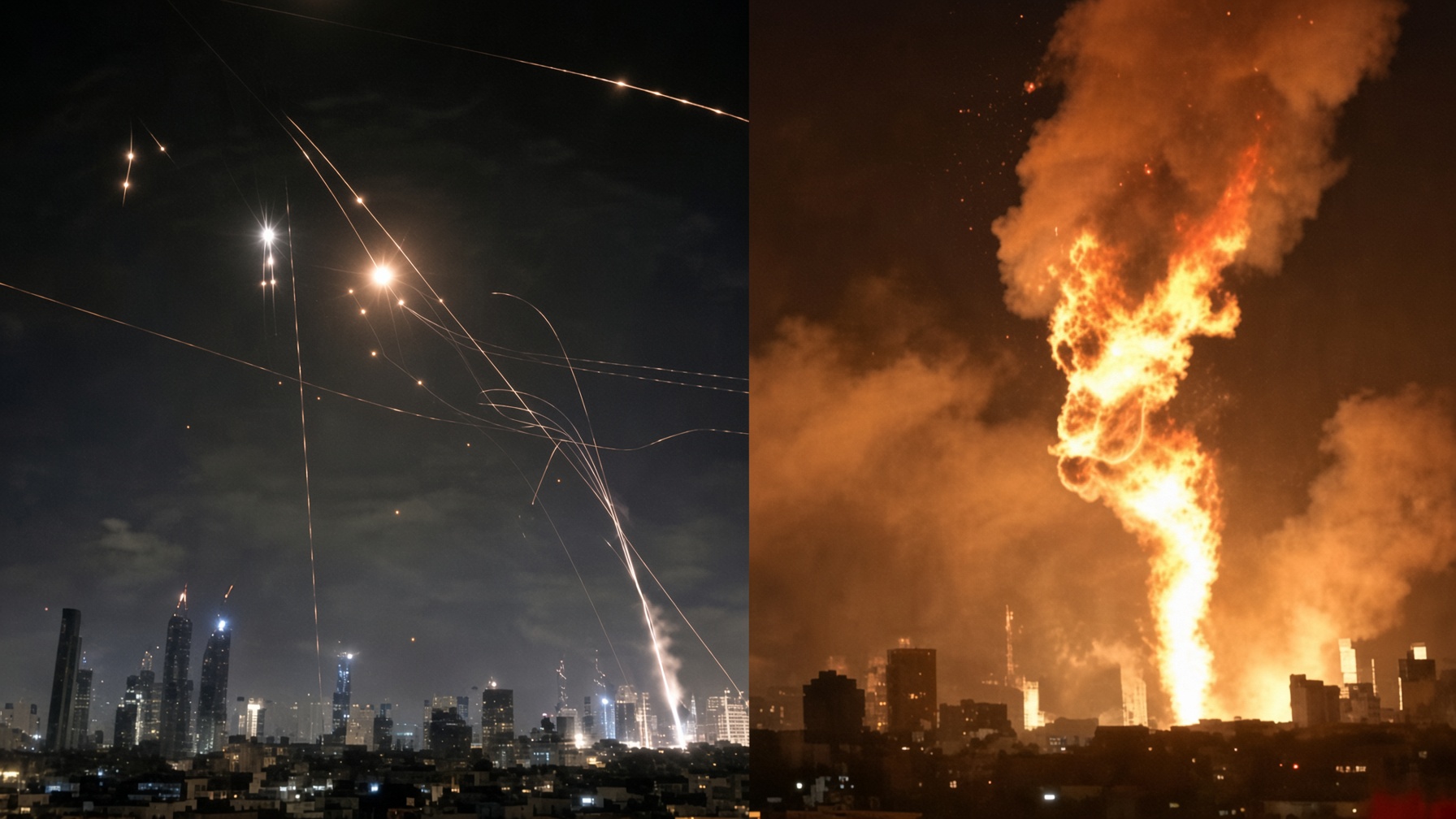
JERUSALEM — Israel has heightened its security readiness as renewed tensions across the Middle East raise concerns about potential threats and the possibility of further instability in the region.
Israeli authorities have increased military preparedness and strengthened defensive measures, describing the steps as precautionary efforts designed to protect civilians and reinforce national security. Officials have provided limited details about the nature of the potential threats, but the heightened posture reflects the rapidly changing security environment surrounding the country.
The measures reportedly include intensified surveillance, closer intelligence coordination and increased readiness among military and emergency-response personnel. Air-defense systems have also been placed on heightened alert, while civil-defense authorities have urged residents to remain vigilant and follow official instructions should conditions deteriorate.
A Volatile Regional Environment
The developments come as the Middle East remains exposed to multiple overlapping security challenges, including armed conflicts, political rivalries and competing strategic interests.
Security analysts say determining the nature of an emerging threat can be particularly difficult during the early stages of a crisis. The region includes numerous state and non-state actors, meaning even a limited incident can potentially trigger retaliation or contribute to a wider escalation.
For Israel, maintaining a high level of military preparedness has long been a central component of national security planning. Authorities must balance the need to respond quickly to potential threats with efforts to avoid actions that could further intensify regional tensions.
Diplomacy Remains Critical
Alongside military preparations, diplomatic coordination remains an important element of the response.
Communication with international partners can support intelligence sharing, defensive planning and crisis management while helping reduce the risk of miscalculations. International organizations and foreign governments have repeatedly emphasized restraint, civilian protection and diplomatic engagement during periods of heightened regional tension.
For civilians, however, increased security measures can bring significant disruption. Heightened alerts may affect schools, businesses, transportation and everyday activities while creating additional anxiety among communities already accustomed to living with regional uncertainty.
Watching for Further Developments
Israeli authorities are expected to continue monitoring developments closely, with attention focused on potential threats, military readiness, defensive deployments and diplomatic activity.
The coming days could be particularly important as officials assess whether the current security posture represents a temporary precaution or a response to a more serious emerging threat.
For now, authorities are emphasizing vigilance and preparedness rather than providing detailed public information about specific threats.
With tensions remaining high across the region, continued communication, responsible crisis management and international cooperation could prove critical in preventing isolated incidents from developing into a broader confrontation.