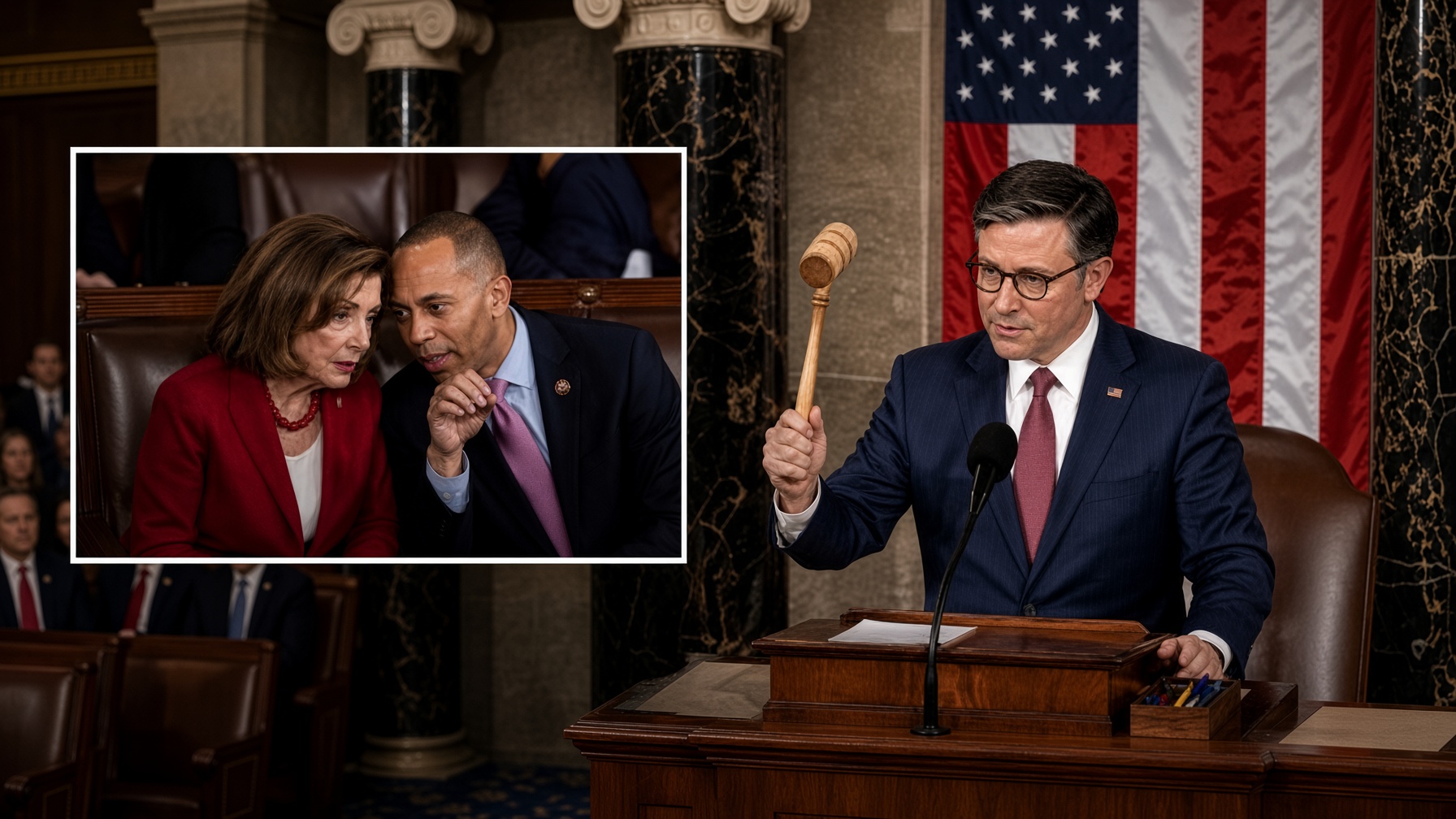
WASHINGTON — The House approved the Stopping Fraudulent Payments Act by a 218-200 vote, giving federal agencies new tools to hold back money when data points to fraud or a high chance of error.
House Oversight Chairman James Comer (R-Ky.) wrote the bill to break what he calls the government’s “pay and chase” cycle: disburse first, hunt the cash later, and often fail to get it back. Under the measure, agencies could pause, condition or divide payments that look risky. Treasury could bounce flagged requests for another review, using systems such as the Do Not Pay list.
“Congress must take further action to stop fraud before it happens,” Comer said. The bill, he argued, is meant to make sure “federal payments go to the right recipient in the right amount before funds are awarded or disbursed.”
The scale of the problem is the Republicans’ main exhibit. The Government Accountability Office put improper payments at $186 billion in fiscal 2025, $24 billion higher than the prior year. Oversight tallies since 2003 approach $3 trillion. Social Security, Medicare and other benefit programs account for a large share of that leakage.
House Budget Chairman Jodey Arrington (R-Texas), an original cosponsor, said the same rules should apply when Washington sends large sums to states and cities. “Every dollar must be safeguarded against waste, fraud, and abuse,” he said.
The vote was one piece of an 11-bill Oversight package on student-aid fraud and payment integrity. Republicans voted as a bloc. Almost every Democrat voted no; a small number crossed over. Critics said the standard for a pause is too vague and could let any administration stall legitimate checks before investigators prove a case.
The bill now sits with the Senate. Backers tie it to the White House Task Force to Eliminate Fraud and the Department of Government Efficiency: stop the loss at the tap instead of chasing it down the drain. Senators will decide whether that authority is a needed guardrail or a new way to delay benefits. How agencies would actually use a freeze — and who would oversee it — is the argument still ahead.