JERUSALEM — Israel is maintaining a heightened security posture as fighting and military tensions continue across the Middle East, with Israeli forces closely monitoring potential threats along multiple fronts.
The latest developments come amid continuing instability involving Iran, Hezbollah and Houthi forces, while incidents elsewhere in the region have added to concerns about further escalation. On September 9, Israeli authorities reported that air-raid sirens were activated in several northern areas following what the military described as a suspected hostile aircraft infiltration. The incident remained under investigation.
Israeli security agencies have continued monitoring developments along the country’s borders, particularly in areas affected by the broader conflict.
⚠️ Northern Front Remains a Major Concern
Tensions along Israel’s northern border with Lebanon remain particularly significant. On September 10, Israel said its military had destroyed a Hezbollah underground complex in southern Lebanon that it described as containing command facilities, weapons storage areas and military infrastructure.
The operation came amid an unresolved security situation involving Israel and Hezbollah. A U.S.-brokered framework has sought to reduce tensions and address Hezbollah’s armed presence near the border, but disagreements over implementation have continued.
Israel has maintained that defensive measures are necessary to protect communities near the border, while Lebanese officials and international actors have continued to call for efforts aimed at preventing renewed large-scale fighting.
🌍 Regional Tensions Spread Beyond Israel
The broader regional environment has also deteriorated in recent days.
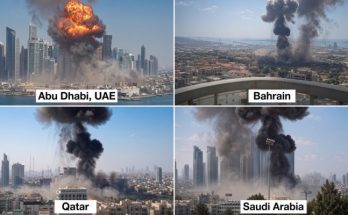
Saudi Arabia issued wide-ranging security alerts on September 15 following a series of attacks involving Iran-aligned Houthi forces. The warnings included areas around Mecca and Jeddah, although authorities later lifted the alerts without reporting confirmed impacts from the incidents.
The developments are particularly significant because the Houthis operate near the Red Sea and the strategic Bab el-Mandeb waterway, an important route for international shipping and energy supplies.
Reuters reported that recent attacks and disruptions have raised concerns about the security of regional oil infrastructure and shipping routes, with the conflict contributing to major uncertainty in global energy markets.
🛡️ Israel Watches for Further Threats
Israel’s security establishment is therefore facing a complex environment involving missile, drone and infiltration threats, alongside continuing military activity in neighboring areas.
Authorities have repeatedly urged civilians to remain attentive to official instructions and to follow Home Front Command guidance if alerts are issued.
The heightened readiness does not by itself establish that a new major attack is imminent. Rather, it reflects the continuing need for Israeli authorities to respond quickly to developments across several active fronts.
🤝 Diplomacy Remains in Focus
At the same time, diplomatic efforts continue. Israel and Lebanon are expected to meet in Rome in October as part of U.S.-brokered efforts aimed at reducing tensions along their shared border. Previous rounds have failed to resolve several major disagreements.
For civilians across the region, the situation remains unpredictable. Any new attack, military operation or miscalculation could create additional pressure on governments already dealing with overlapping security and humanitarian challenges.
For now, Israeli authorities continue to emphasize vigilance and preparedness as they monitor developments throughout the region and assess whether changing circumstances require further adjustments to the country’s defensive posture.