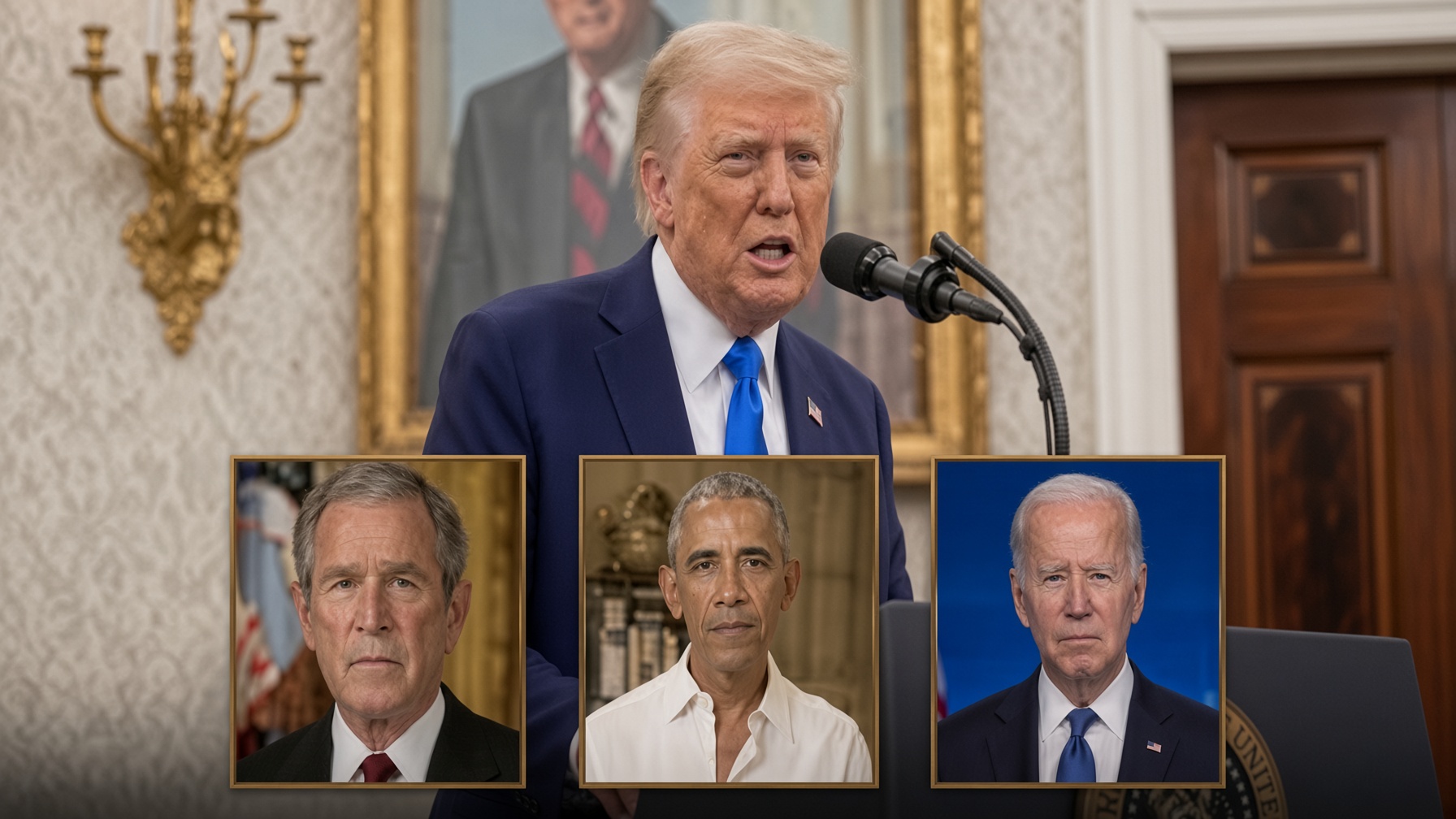
WASHINGTON — The room went quiet when Donald Trump said the press was “going to change.” Reporters looked up from their notebooks. Some froze. Others started typing. The line was not about a bill, a war or a budget. It was about them: their work and, as they heard it, their future.
In that moment, a familiar argument over coverage hardened into something sharper. Criticism of the media is ordinary in American politics. A promise that the press itself will be made to change is not heard the same way. Journalists in the room treated the remark as a warning that access, rules and punishment could be used as tools, not as another campaign soundbite to file and forget.
No free press can afford to shrug at that kind of language. The first job, press advocates say, is explanation. Readers need a clear account of why an independent press exists, whom it is supposed to protect and how quickly public debate narrows when a leader claims the right to decide which stories are allowed. That case has to be made in plain language, repeatedly, not only in editorials after a confrontation.
The second job is inside the newsroom. Standards have to get tighter, not looser, when power is angry. Corrections should be fast. Methods should be visible. Errors handed to a hostile official become weapons. Accuracy is not a courtesy in that climate. It is defense.
Solidarity is the third response taking shape among press-freedom groups. Outlets that compete every day are being told to act together when the pressure is political: shared statements, joint investigations, coordinated legal work and a refusal to accept gag orders, blacklists or access traded for obedience. Local newsrooms and national brands, in this view, are one system. Isolated titles are easier to freeze out.
The constitutional point is simple. The First Amendment does not grant the president a veto over coverage. It does not require journalists to earn favor before they publish. When a president hints that the rules will change, the press answer on offer from media organizations is that the Constitution already set those rules and that newsrooms do not move off that ground.
None of that resolves the political fight over trust in the media. Large parts of the public already believe news organizations are biased, sloppy or aligned with one party. Trump has built a career on that grievance. A vow that the press will “change” speaks to supporters who think the problem is the reporters. It alarms journalists who think the problem is a government that wants to set the terms of scrutiny.
The practical test comes after the quote. Will agencies restrict access? Will officials punish disfavored outlets? Will newsrooms trade silence for a seat in the room? Those questions matter more than the gasp in the briefing.
For now, the remark has done what sharp presidential language often does. It forced a choice into the open. Treat the line as theater, or treat it as a statement of intent. Press groups are choosing the second reading and answering with a single claim: the work does not stop because the subject of the story says it should.