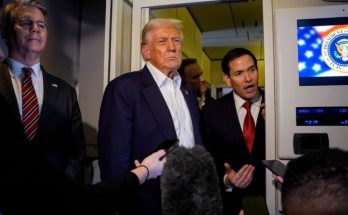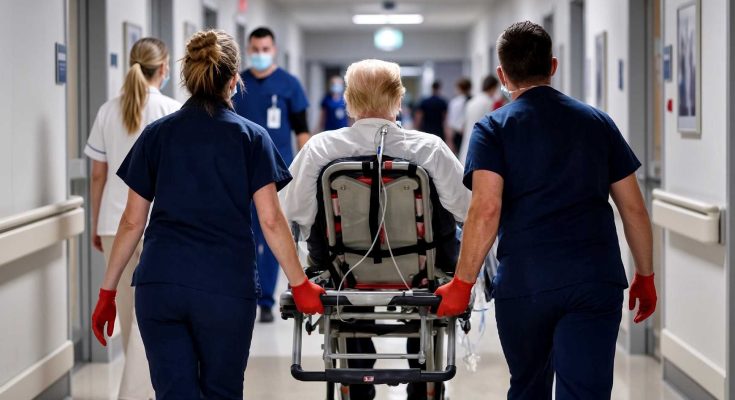
WASHINGTON — Recent reports indicate that President Donald Trump has undergone a comprehensive cognitive assessment, with results now being discussed publicly. According to statements from his medical team, the evaluation formed part of a routine health review and included standardized tests measuring memory, attention, language skills, and overall cognitive function.
Physicians noted that such assessments are commonly given to individuals in high-pressure leadership roles to help confirm mental sharpness and decision-making capacity. Those familiar with the evaluation said Trump performed within expected ranges across key areas, with no major cognitive concerns identified. Medical professionals emphasized that the findings reflect normal functioning for someone of his age and background.
Supporters have pointed to the outcome as reassurance of his ability to handle complex responsibilities. Critics have called for fuller transparency, including the release of detailed medical documentation for independent review.
The announcement has revived a familiar public conversation about the health and fitness of political leaders—an issue that has long drawn interest from voters and analysts. In the United States, presidential health disclosures are not tightly standardized, which leaves room for interpretation and debate.
Experts note the need to balance personal medical privacy with the public’s legitimate interest in the well-being of those who hold high office. Cognitive screening tools used in such reviews are designed primarily to detect signs of impairment rather than to measure intelligence. A perfect or near-perfect score typically indicates the absence of obvious decline on that particular instrument, not a broader evaluation of executive function under sustained political or military pressure.
Questions about aging leaders have become more prominent after previous administrations faced intense scrutiny over mental fitness. Trump has repeatedly highlighted his results on these tests, describing them as evidence of continued capability. Opponents argue that brief screening exams cannot substitute for longer neuropsychological evaluations or for judgments based on public behavior over time.
As discussion continues, medical ethicists stress that routine assessments serve a limited purpose. They can offer a snapshot of certain cognitive domains, but they do not resolve larger political questions about stamina, judgment, or fitness for the demands of the presidency. Officials and independent observers will likely keep watching for any further official updates from the White House physician.