WASHINGTON — President Donald Trump delivered an optimistic assessment of ongoing diplomatic talks with Iran, stating that Washington and Tehran could finalize an agreement within days to prolong a fragile ceasefire and restore commercial shipping through the vital Strait of Hormuz.
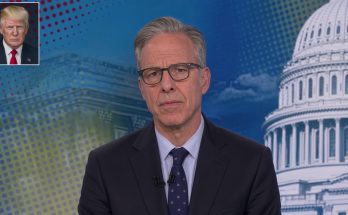
Speaking in a telephone interview with ABC News Chief Washington Correspondent Jonathan Karl, Trump signaled that indirect discussions were gaining momentum despite localized flare-ups across the region.
“Looking good, looking good,” Trump said when questioned on the trajectory of the talks. The president asserted that an accord cementing the ceasefire extension and unblocking the critical maritime chokepoint could materialize “over the next week,” though he cautioned that negotiators were still reconciling “a few more points” before signing off.
Trump framed a negotiated resolution as preferable to sustained armed conflict, remarking that “a peace agreement with Iran could be even better than a military victory.” He acknowledged the friction inherent in negotiating with an adversary after decades of mutual hostility, adding: “It’s actually not easy from our standpoint either. But we’re getting what we need to get.”
Regional Escalation Tests Delicate Talks
The push for a diplomatic breakthrough unfolded amid severe peripheral headwinds, notably intensified clashes between Israel and Hezbollah along the Lebanese border.
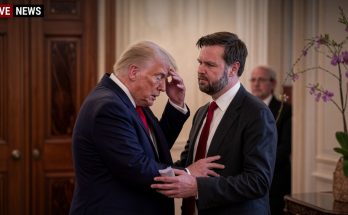
Iranian envoys had warned that expanding Israeli operations threatened to derail bilateral momentum, briefly halting direct communications. Trump claimed he intervened directly to stabilize the border theater, telling ABC News he engaged both Israeli Prime Minister Benjamin Netanyahu and Hezbollah leadership to demand a cessation of hostilities: “I said no shooting… and they both stopped shooting each other.”
Diplomatic sources emphasized that stabilizing Lebanon remains a vital prerequisite for any comprehensive U.S.-Iran understanding, serving as a bellwether for whether broader agreements can survive proxy crossfire.
The Economic Heart of the Agreement
At the center of the diplomatic architecture is the Strait of Hormuz, the narrow artery connecting the Persian Gulf to the Gulf of Oman through which approximately one-fifth of the world’s petroleum transit passes.
-
Maritime Access: The emerging memorandum of understanding calls for an immediate lifting of the U.S. naval blockade on Iranian ports in exchange for Tehran guaranteeing unhindered passage for commercial oil tankers.
-
Sequencing Relief: The broader roadmap envisions phased sanctions relief tethered to verified Iranian de-escalation across Persian Gulf shipping lanes.
-
Nuclear Posture Excluded: While the preliminary framework tackles immediate maritime security, contentious long-term disputes—most notably the oversight and caps on Iran’s domestic nuclear enrichment program—remain deferred to subsequent negotiating tracks.
Regional security analysts caution that while the White House’s projections reflect tactical optimism, converting an interim truce into a durable regional settlement faces steep hurdles. With non-state actors and cross-border hostilities capable of shattering progress overnight, the fate of the strategic waterway remains tethered to whether both capitals can hold regional hardliners at bay.