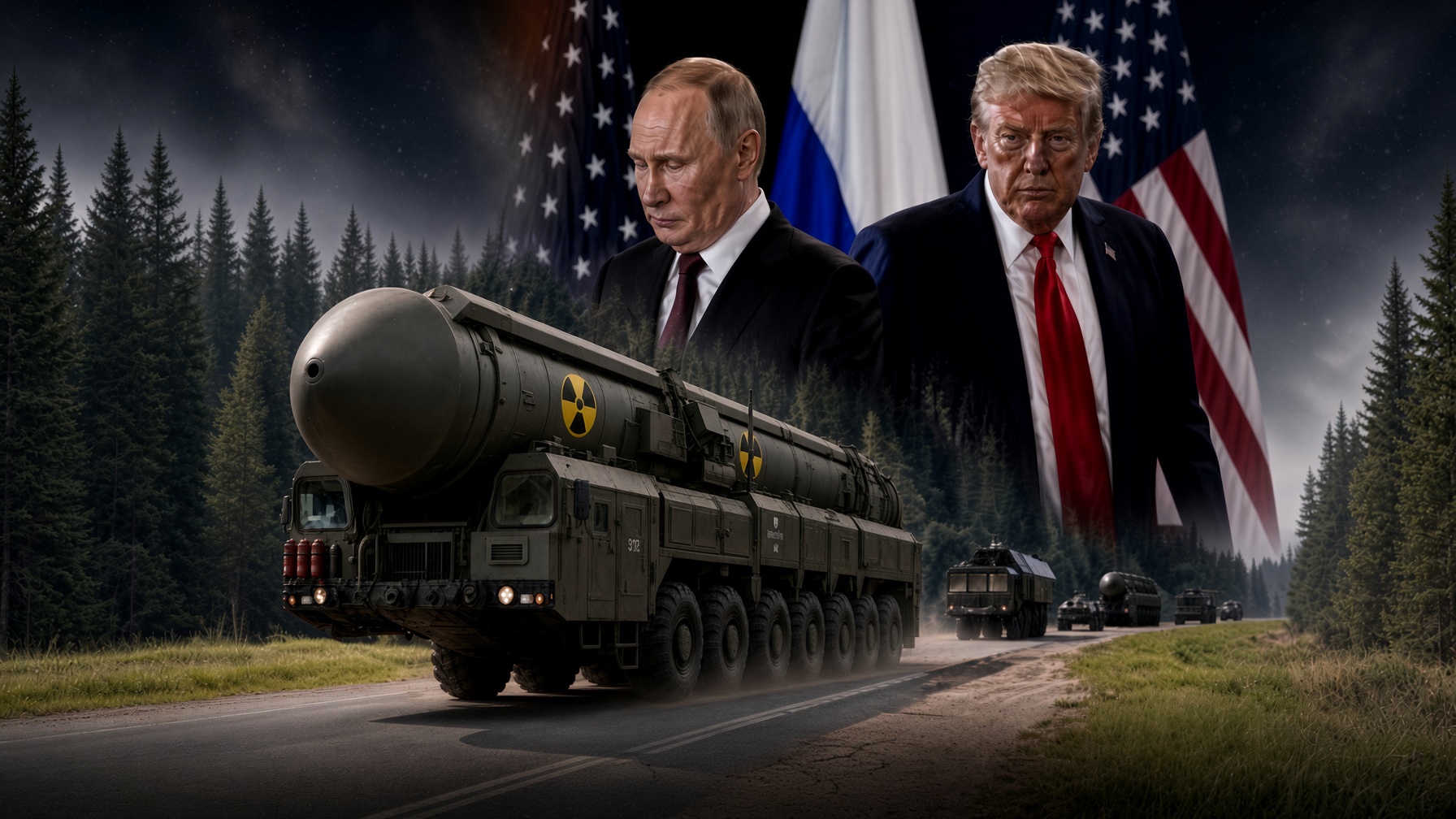
GENEVA — In a major realignment of international security architecture, a newly forged coalition of thirteen nations announced a unified defense and deterrence pact on Sunday, triggering emergency diplomatic consultations and sending tremors through global financial markets.
The sudden formation of the bloc comes against a backdrop of deteriorating relations among major world powers. Tensions spiked sharply following the circulation of verified imagery depicting advanced mobile missile transport systems deploying alongside high-level diplomatic delegations at a summit venue. Security analysts characterize the deliberate visual coordination as an unambiguous signal of technological capability and collective resolve.
Billed by participating governments as a “defensive coordination framework,” the agreement establishes interoperable command protocols, shared intelligence-gathering networks, and joint strategic readiness initiatives. Member states emphasized that the coalition is strictly defensive, intended to counterbalance aggressive regional posturing and safeguard critical commercial supply corridors.
Despite official assurances, defense strategists warn that the scale of integration marks a decisive shift in global balance-of-power dynamics.
“This goes far beyond standard bilateral drills or symbolic declarations,” said Elena Vance, a senior fellow in deterrence studies at the International Institute for Strategic Analysis. “Integrating long-range strategic systems across thirteen separate defense doctrines demonstrates operational alignment that directly challenges existing security frameworks. The symbolism alone reshapes risk calculations across every major capital.”
Financial markets reacted swiftly to the development. Key global indexes slipped, while crude oil and sovereign bonds climbed as investors factored in heightened geopolitical risk premiums. Energy analysts noted that any potential disruption across strategic maritime transit chokepoints could destabilize already vulnerable supply chains.
The reaction among non-aligned states and competing powers has been swift. At the United Nations, diplomats convened closed-door emergency sessions to evaluate the strategic implications of the pact and prevent diplomatic channels from freezing entirely. Several international leaders issued appeals for restraint, cautioning that rapid bloc-building risks reviving rigid, Cold War–style alliances that elevate the probability of military miscalculation.
“Diplomatic mechanisms must not be supplanted by preemptive military posturing,” said an envoy representing non-coalition nations during an emergency press briefing. “Direct, de-escalation communication channels must remain open to avoid turning strategic signaling into an unintended confrontation.”
As participating states prepare to conduct initial joint command-and-control exercises, global observers remain divided over the long-term impact of the newly formed axis. While coalition supporters argue that a robust deterrent is vital for stabilizing an increasingly volatile multipolar world, international watchdogs caution that escalating shows of force shorten warning times and leave little margin for diplomatic error.