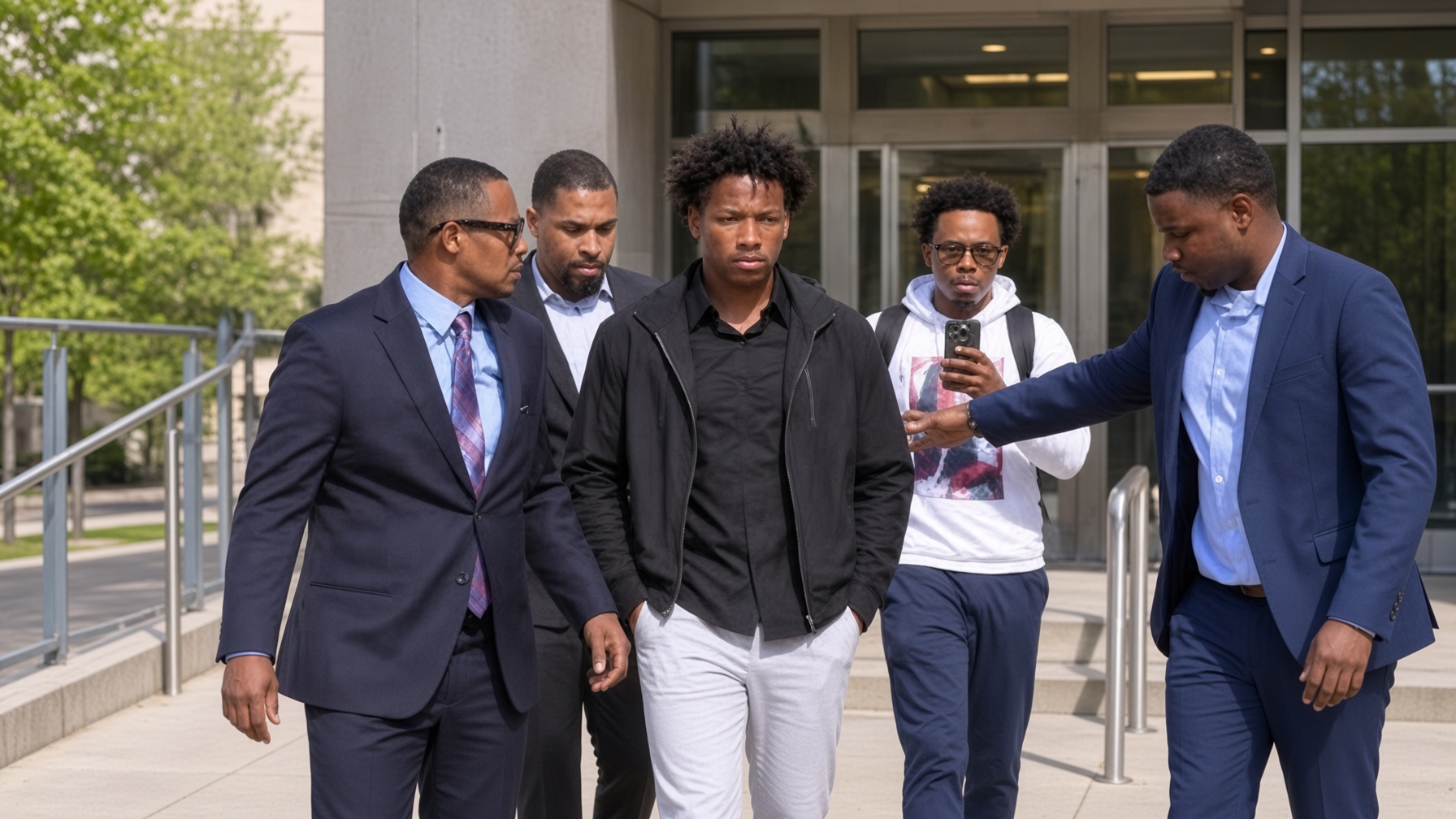
MCKINNEY, Texas — A tense silence gripped a packed Collin County courtroom before the reading of a single, definitive sentence brought an agonizing close to one of the region’s most emotionally charged capital murder trials. Karmelo Anthony, convicted in the fatal confrontation that claimed the life of high school football standout Austin Metcalf, was formally sentenced to death.
The formal pronouncement of capital punishment marked the culmination of a devastating case that has rattled North Texas, leaving two families irreparably shattered and reigniting fierce debates over youth violence, accountability, and the boundaries of retributive justice.
A Promising Life Cut Short
The proceedings centered on the tragic loss of Austin Metcalf, an admired local athlete celebrated throughout his community for his leadership on the gridiron and his easygoing demeanor in the classroom. Teammates, mentors, and educators had long marked Metcalf as a young man on the cusp of a bright collegiate future.
Instead, a lethal escalation that unfolded in seconds extinguished that promise, leaving an agonizing absence across local hallways, locker rooms, and family dinner tables. Throughout the trial, emotional victim impact testimony highlighted the lasting trauma inflicted on classmates and loved ones who described the tragedy as a senseless and permanent theft of potential.
For Metcalf’s family and their supporters, prosecutors argued that the gravity of the crime demanded the full weight of Texas law.
A Divisive Sentence and Looming Appeals
Across the aisle, Anthony sat virtually motionless as the judge read the jury’s decision, sealing his fate following days of fraught penalty-phase arguments. The capital sentence brought immediate tears and muted gasps across the gallery, reflecting a wider community deeply torn over the outcome.
While many in the community viewed the maximum penalty as an indispensable measure of justice and closure for a grieving family, others voiced deep apprehension over condemning a teenager to death row. Advocates and defense observers questioned whether adding another state-mandated death can truly heal a community or resolve the systemic shortcomings that preceded the violence.
Legal analysts note that the death verdict triggers an automatic and extensive appellate process under Texas law. Defense attorneys are expected to mount rigorous challenges focusing on procedural handling, jury instructions, and mitigating factors presented during the penalty phase, ensuring that the legal battle will stretch out across several years.
A Community Suspended Between Grief and Division
As bailiffs cleared the gallery, the quiet that settled over the courthouse offered little relief. In Collin County, the divide between those seeking total retribution and those questioning the ethics of the death penalty remains stark.
With the legal machinery now shifting toward protracted appeals, the community remains caught in an uneasy pause—weighing the finality of the court’s decree against the enduring reality of two young lives lost to violence.