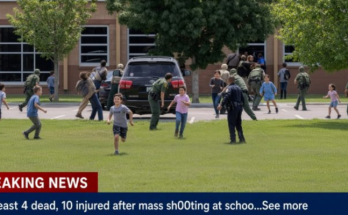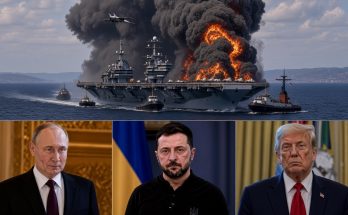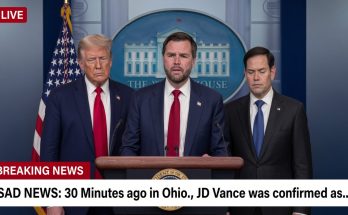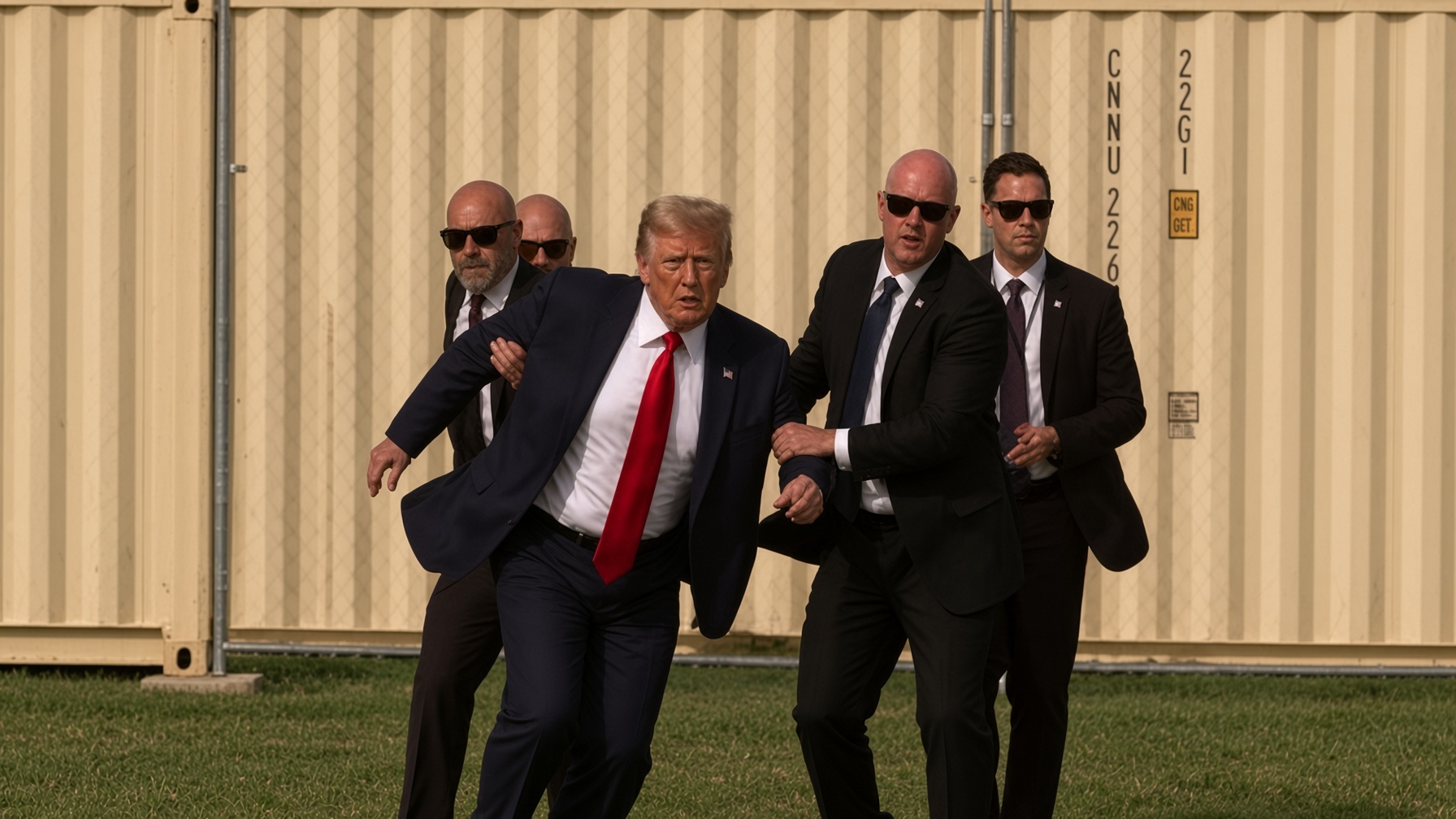
WASHINGTON — Unfounded claims alleging that former U.S. President Donald Trump was targeted in a new shooting in Washington, D.C., flooded social media platforms on Monday, prompting widespread alarm and intense public speculation before being thoroughly debunked by federal records and news monitoring.
The sensational assertions gained rapid traction across X, TikTok, and private messaging channels, amplified by algorithmic recommendations and emotionally charged commentary. However, a review of official dispatches reveals zero corroboration: no local law enforcement agency, hospital network, or U.S. Secret Service detail has reported any security breach, gunfire, or medical emergency involving Trump.
Major international news organizations, equipped to confirm high-level security incidents within minutes, carried no reports supporting the claims. The absence of federal alerts, motorcade diversions, or public statements from Trump’s representatives confirms that the narrative is entirely baseless.
Anatomy of an Online Hoax
Digital forensics and media analysts trace the sudden panic to a familiar online playbook: recycled archival footage, out-of-context video snippets, and deliberately misleading headlines designed to exploit algorithmic incentives.
Several early iterations of the rumor originated in unverified community channels and click-driven aggregator pages. These posts repurposed visual material from past security scares—including the July 2024 assassination attempt at a campaign rally in Butler, Pennsylvania, where Trump sustained an ear injury—and presented the imagery as breaking developments from the nation’s capital.
While the 2024 Butler shooting prompted sweeping congressional probes, an overhaul of Secret Service protocols, and heightened protection details, no subsequent incident matching Monday’s claims has occurred. Independent fact-checkers noted that several accounts spreading the rumor paired historic footage with vague phrases such as “Breaking: Shots reported near Trump in D.C.” to evade platform moderation while maximizing user engagement.
The Cost of Digital Contagion
The rapid circulation of fabricated high-profile violence highlights the escalating vulnerabilities within the modern digital information ecosystem. Beyond transient confusion, false alarms of this magnitude carry measurable real-world consequences:
-
Resource Drain: Emergency communication centers and public safety dispatchers are routinely overwhelmed by public inquiries seeking verification during viral hoaxes.
-
Heightened Public Anxiety: Sensational falsehoods aggravate an already volatile political climate, stoking partisan hostility and panic.
-
Erosion of Trust: Pervasive rumors obscure authentic emergency warnings, leaving audiences fatigued and increasingly skeptical of legitimate breaking news.
Media literacy experts emphasize that high-profile political figures remain primary targets for engagement-farming networks, which monetize outrage and shock value. In many instances, the goal of such content is neither political persuasion nor accurate reporting, but sheer traffic generation via click-through ad revenue.
Public safety authorities and media analysts continue to urge digital audiences to practice information hygiene when encountering unverified breaking news. Critical updates regarding federal leaders, national security threats, or mass-casualty events are universally communicated through official government briefings and established journalistic wires—not uncredited social media screenshots.