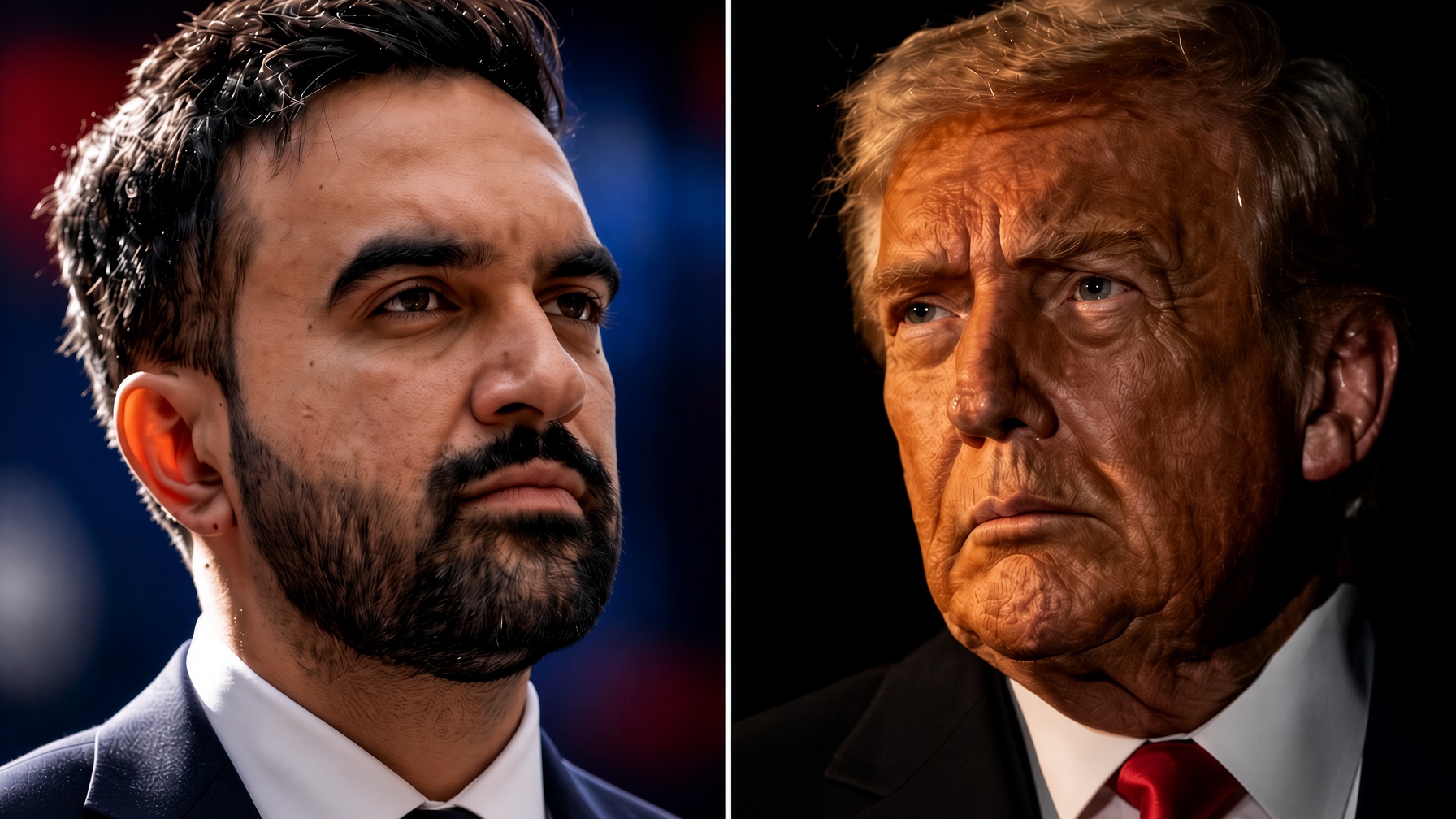
WASHINGTON — President Donald Trump has issued a sharp warning to New York City politician Zohran Mamdani, stating that any attempt to obstruct federal immigration enforcement would carry consequences.
In recent remarks, Trump asserted that local officials lack the authority to impede federal law enforcement agencies. U.S. Immigration and Customs Enforcement (ICE) is charged with enforcing federal immigration statutes, he said, and elected officials in New York City should not interfere with those operations.
Trump had previously indicated that Mamdani could face arrest if he took steps to disrupt ICE activities. The comments come as the Trump administration continues efforts to expand immigration enforcement in New York City, a jurisdiction that has long maintained policies limiting local cooperation with federal immigration authorities.
Federal officials have repeatedly emphasized that immigration enforcement falls under national jurisdiction. Trump’s latest statements reinforce that position, framing any local resistance as an unacceptable challenge to the rule of law. Administration officials have argued that ICE agents require institutional support to carry out their duties and that communities benefit from consistent application of federal statutes.
The exchange highlights ongoing tensions between federal immigration priorities and local governance in major Democratic-led cities. New York City has for years operated under sanctuary-style policies that restrict the degree to which municipal agencies assist federal immigration officers. Critics of those policies contend they undermine national enforcement efforts; supporters argue they protect community trust and public safety by separating local policing from immigration matters.
Mamdani, a progressive New York State assemblymember and prominent voice on the city’s left, has been a vocal critic of aggressive federal immigration tactics. Trump’s warnings appear directed at the possibility that Mamdani or allied local leaders might attempt to hinder ICE operations through policy, protest, or administrative measures.
Legal experts note that while local governments cannot nullify federal law, the practical boundaries of cooperation remain contested. Courts have generally upheld the federal government’s authority to enforce immigration statutes, while also recognizing limits on the extent to which the federal government can compel local participation.
The Trump administration has made immigration enforcement a central priority, directing increased resources toward interior enforcement and workplace actions in addition to border security. New York City has been identified as a focal point for stepped-up operations, prompting renewed friction with city and state officials who favor more limited engagement with ICE.
In his latest comments, Trump framed the issue in clear terms: federal law must be respected, ICE personnel should receive institutional backing, and local politicians should not place themselves between federal agents and the enforcement of national statutes.
As the administration presses forward with its enforcement agenda, the public exchange with Mamdani underscores the persistent institutional conflict over immigration authority in the United States. Further statements from either side are expected as federal operations continue in the New York region.