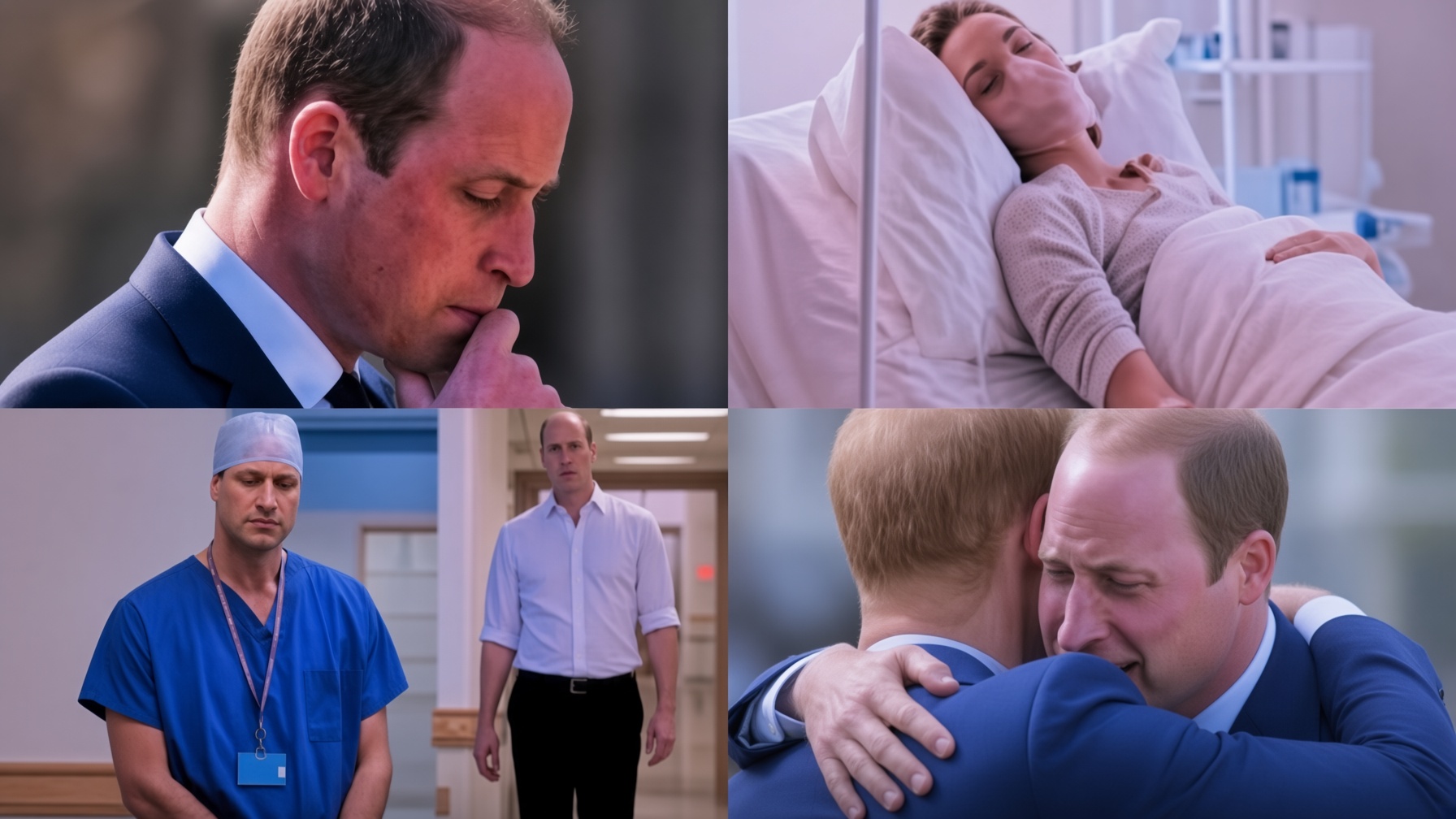
A private conversation between King Charles III and Prince William has been described by sources close to the family as an unusually candid exchange, free of advisers, cameras or prepared palace language. The reported discussion centered on long-standing regrets and the enduring impact of Princess Diana’s death, according to accounts circulating among those familiar with the matter.
Charles is said to have spoken not primarily as monarch but as a father, addressing choices made decades earlier under the pressures of duty, public scrutiny and institutional expectation. The exchange, if accurate, lacked sweeping declarations or polished apologies. Instead, those describing it characterize Charles’s words as hesitant and measured, reflecting the difficulty of revisiting events that shaped the family’s public and private lives.
William, then 15, and Harry, then 12, walked behind their mother’s coffin in September 1997 after her death in a Paris car crash. The images of the two boys amid public mourning became defining moments in modern royal history. Both later spoke of the intense expectations placed on them to maintain composure under extraordinary pressure. William has described the funeral procession as particularly difficult, noting the contrast between the crowds’ open grief and the requirement that he and his brother remain composed.
That shared trauma has been cited as a formative experience that later diverged in its consequences. William largely remained within the institution, building a public role centered on continuity, family and eventual succession. Harry eventually stepped back from senior royal duties, moved to California with his wife Meghan, and spoke more openly about grief, mental health and family conflict. Those differing paths contributed to a well-documented estrangement between the brothers and strained relations with their father.
Reports of the recent conversation suggest Charles expressed regret over decisions made when he was younger and over the broader effects of royal life on his sons. Analysts of the monarchy note that such acknowledgments are rare in a family and institution that traditionally prioritizes continuity and discretion over public airing of private pain. No official confirmation of the discussion’s content has been issued by the palace, and details attributed to unnamed sources should be treated with caution. Private royal conversations are difficult to verify, and secondhand accounts can acquire greater certainty in retelling than the underlying evidence supports.
The reported exchange does not rewrite history. An apology cannot restore a childhood or reverse the public disintegration of Charles and Diana’s marriage, which played out under intense media scrutiny in the 1990s. Nor does it automatically resolve the rift with Harry, who has lived much of the past several years at a physical and emotional distance from the rest of the family. Any broader reconciliation, observers say, would require sustained private effort rather than a single conversation or public statement.
The monarchy continues its institutional work under Charles, with William prepared as heir. Yet the family’s private history remains shaped by the same events that defined a generation of public memory. Whether the reported discussion marks a meaningful step toward addressing that history, or simply another private moment that remains confined to those present, is known only to the participants.