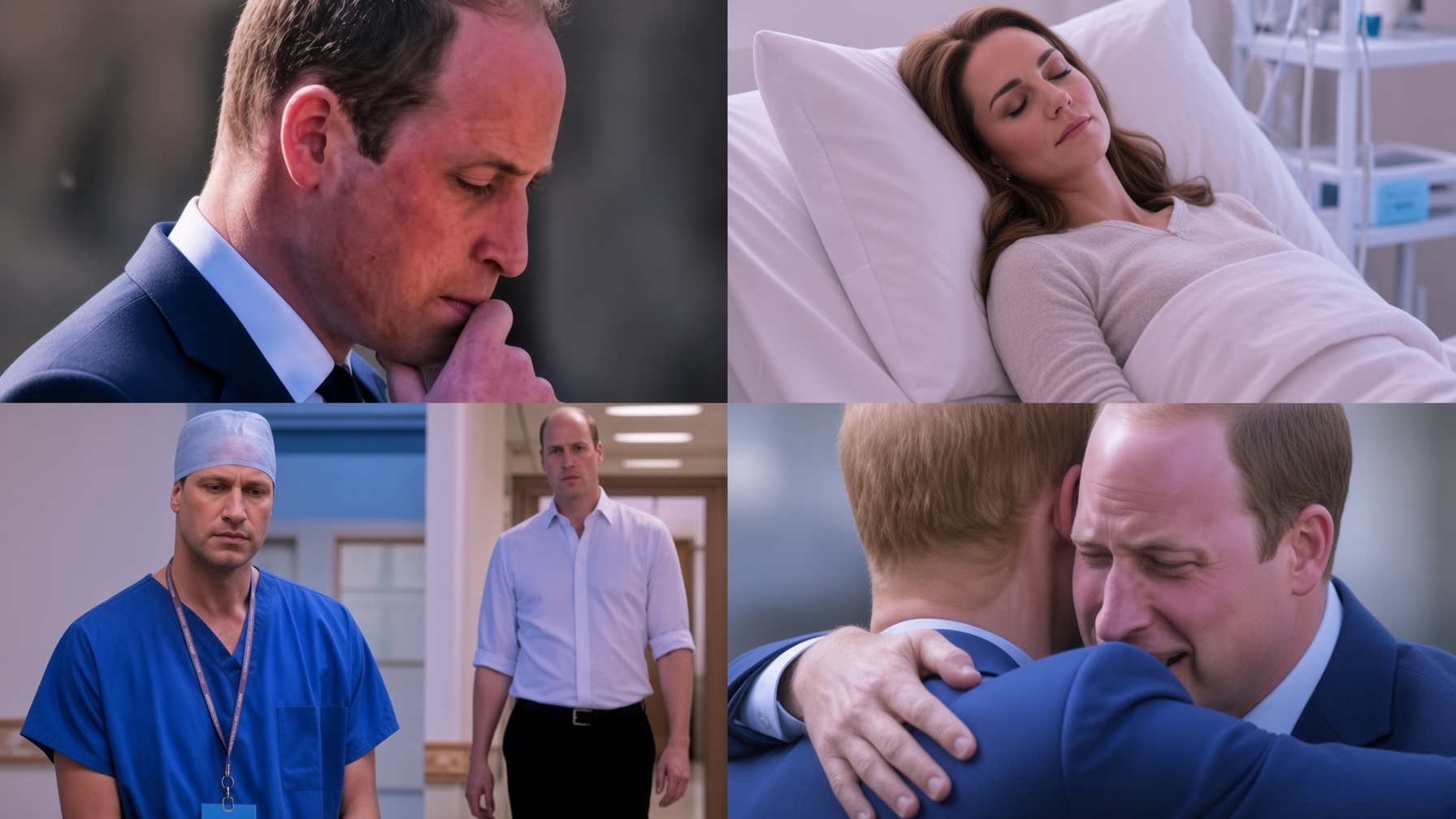
A private conversation between King Charles III and the Prince of Wales has been described by people familiar with the matter as an unusually direct exchange focused on long-held regrets and the lasting effects of Princess Diana’s death. According to these accounts, the discussion took place without advisers or prepared statements, allowing the two men to speak as father and son rather than as monarch and heir.
Sources characterize Charles’s remarks as measured and at times hesitant. He is said to have reflected on decisions made earlier in life under the combined pressures of public duty, personal relationships and the expectations of the institution. No sweeping apology or formal resolution was reported. Instead, the conversation is portrayed as an attempt to acknowledge consequences that have shaped the family for decades.
William was 15 and his brother Harry 12 when their mother died in a car crash in Paris in August 1997. Both boys walked behind her coffin in the funeral procession that followed. The images of the young princes amid widespread public mourning became defining moments in modern British history. William has previously spoken of the difficulty of maintaining composure while surrounded by open grief. The experience left a lasting imprint on both brothers, though their responses diverged sharply in adulthood.
William remained inside the royal institution, building a public role centered on stability, family and eventual succession. Harry later stepped back from senior royal duties, relocated to California with his wife, and spoke more openly about grief, mental health and family tensions. Those differing paths contributed to a prolonged estrangement that has affected relationships across the family and drawn sustained public attention.
Any discussion between Charles and William inevitably raises questions about Harry’s position. Distance has not erased the shared history of their mother’s death or the subsequent fractures within the family. Whether similar words of regret would be offered to Harry, or how they might be received after years of public disagreement, remains unknown outside the family.
Royal communications traditionally favor discretion and continuity over the reopening of private wounds. Public statements and carefully managed appearances have long served as the institution’s preferred method of addressing difficulty. A conversation of the kind described would therefore stand out for its reported intimacy and lack of choreography. At the same time, private royal discussions are notoriously difficult to verify. Details attributed to unnamed sources can harden into more definitive accounts than the available evidence supports, and the palace has issued no confirmation of the exchange or its content.
An acknowledgment of past pain cannot restore what was lost. It cannot rewrite the public collapse of Charles and Diana’s marriage in the 1990s, nor can it reverse the scrutiny that followed the young princes after their mother’s death. What it may offer, according to those describing the conversation, is a limited end to certain silences that have persisted within the family.
The monarchy continues under Charles, with William prepared as heir. Institutional continuity remains the priority. Yet the personal history that links the three men—Charles, William and Harry—continues to exert its own influence. Whether the reported discussion marks a genuine step toward addressing that history, or remains a private moment without broader consequence, is known only to those who took part.