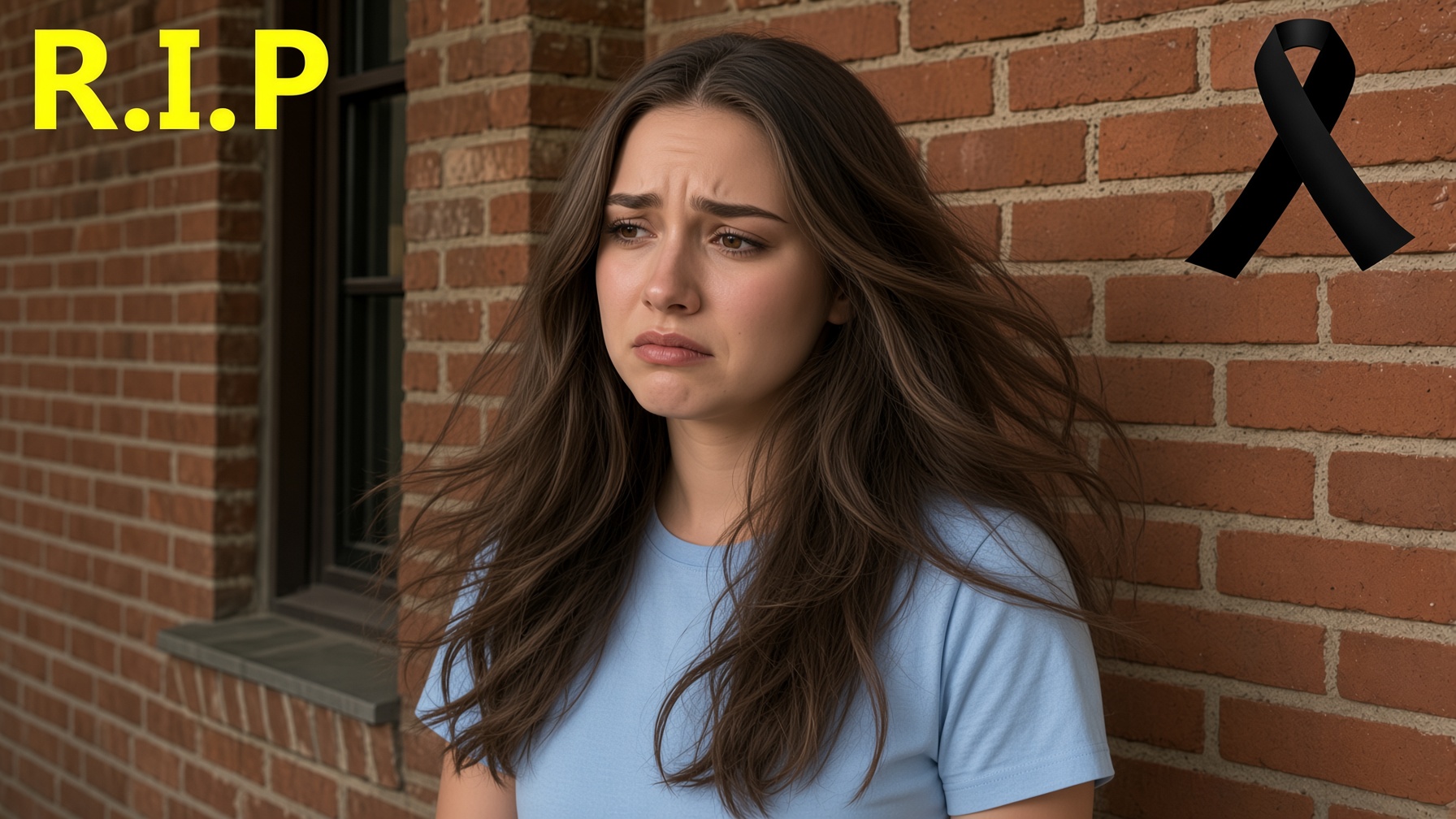
**MEXICO** — The death of a 20-year-old woman identified as Ana has left her family, friends and community in mourning and renewed a public conversation about menstrual health, warning signs and when pain should be treated as a medical problem rather than something to endure in silence.
According to accounts circulating after her death, complications related to her menstrual health were associated with the case. The precise clinical cause has not been fully established. Health specialists caution against treating an incomplete individual case as proof of a single diagnosis. They also stress that menstruation itself is not normally dangerous.
What her death has done is focus attention on symptoms that are too often dismissed. Doctors say some discomfort during a period is common. Symptoms that are not routine include exceptionally heavy bleeding, pain that does not ease, fainting, persistent dizziness or symptoms that stop someone from going to school, work or ordinary daily life. Those signs, they say, should be evaluated by a qualified clinician.
**Stigma and delayed care**
Advocates say many young women hesitate to describe severe pain because they have been told it is normal or because they fear embarrassment. That delay can keep treatable conditions from being identified. Campaigns in Mexico have increasingly argued that menstrual health belongs in ordinary medical care, not only in private conversation.
The discussion goes beyond personal awareness. Supporters are calling for clearer education in schools, affordable access to gynecological services and more direct communication among young people, parents, teachers and doctors. Recent public-health efforts in the country have also highlighted conditions such as severe menstrual pain, heavy bleeding and related disorders that can be missed for years when symptoms are minimized.
**A community in mourning**
Friends have remembered Ana as a determined young woman whose absence is felt beyond her immediate family. Teachers and others in her community have spoken of a life that was still taking shape. For those closest to her, the loss is personal first. The public debate came afterward.
Family members and supporters say they hope her story will make it easier for others to ask for help. Memorial posts and local conversations have returned again and again to the same point: unusual or severe symptoms should not be ignored because they are associated with a period.
**What doctors want people to know**
Clinicians generally advise people to learn their own patterns and to seek care when those patterns change sharply. Severe pain, unusually heavy bleeding, fainting or ongoing dizziness are reasons to get medical advice. A doctor can determine whether an underlying condition is involved and whether treatment is needed.
Experts also warn against turning one death into a generalized medical claim. Without verified clinical records, Ana’s case cannot be used to assign a specific disease or to suggest that typical menstruation is life-threatening. The responsible public message is narrower: take severe symptoms seriously, reduce stigma and improve access to care.
For her family, that message is tied to grief they are still living with. They want Ana remembered as a young woman with relationships and plans, not only as an example in a health campaign. Supporters say the most useful response is practical — better information, less shame and a lower barrier to seeing a doctor when something does not feel right.