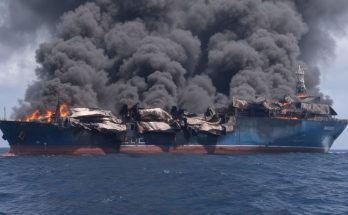
**WASHINGTON** — Unconfirmed reports of an attack on a heavily protected warship have drawn international attention and raised questions about naval defenses and new weapons, though authorities have not verified what happened.
No government has issued a full public account. Details remain thin. Online reports nonetheless attracted defense analysts and military observers.
Preliminary accounts describe a high-speed strike that allegedly overwhelmed or bypassed layered defenses. The weapon used, the extent of any damage and whether anyone was hurt have not been confirmed.
The claim matters because capital warships are designed to survive a wide range of threats. Modern vessels typically combine radar, electronic warfare, interceptor missiles and other systems meant to detect and stop incoming weapons before they hit. If the reports prove accurate, analysts say planners may need a fresh look at how those layers perform against newer forms of attack.
The episode also showed how fast unverified military claims now travel. Social media can outpace official statements, mixing raw video, recycled footage and speculation. Security specialists urged caution, noting that incomplete or false accounts can move markets, shape public opinion and pressure governments before the facts are known.
A confirmed hit on a high-value ship could push defense planners to revisit assumptions about detection speed, interceptor coverage and the ability of traditional defenses to handle faster or unconventional threats. It could also add support for spending on sensors, electronic countermeasures and next-generation interceptors.
Analysts warned against drawing broad conclusions from a single, still-unverified incident. Even a confirmed strike would not by itself prove that existing defenses have failed as a class. Investigators would need to examine the weapon, the ship’s posture, weather and geography, and whether aircraft or escorts were nearby.
Until satellite imagery, video and official statements produce a reliable account, the reported attack remains unverified. If confirmed, it could become a case study in how quickly naval warfare is changing. For now, the central fact is the lack of confirmation.