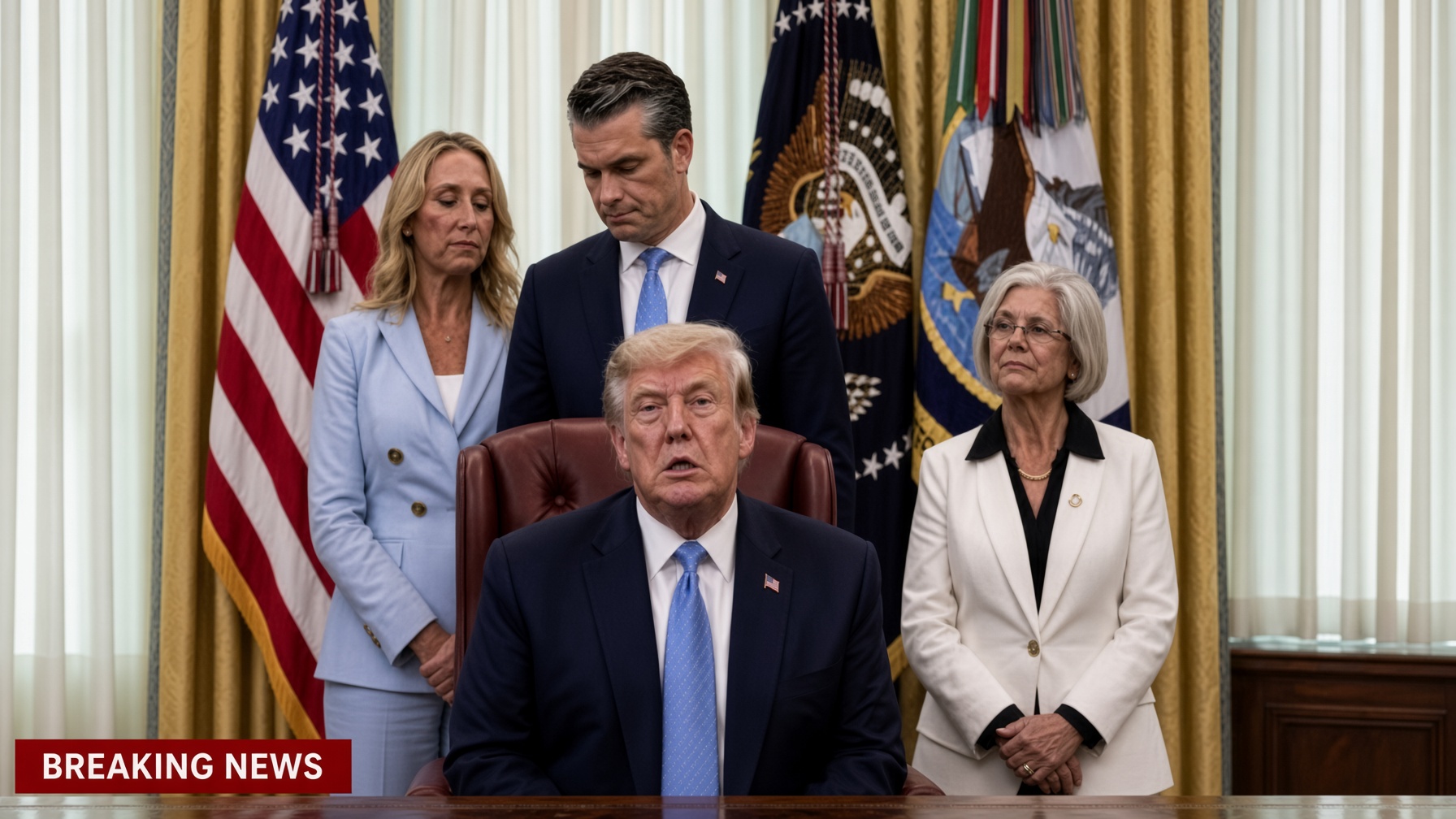
WASHINGTON — Jennifer Hegseth, the wife of Defense Secretary Pete Hegseth, has come under increasing scrutiny over her reported involvement in Pentagon affairs despite holding no formal government position.
According to reporting by The Washington Post, Jennifer Hegseth has played an unusually active role around her husband’s administration, including helping coordinate media appearances, participating in discussions involving prospective personnel and accompanying the defense secretary to some meetings with foreign officials.
⚠️ An Unofficial Influence Inside the Pentagon
People familiar with the situation described Jennifer Hegseth as an influential member of her husband’s informal circle. Her reported involvement has included advising on communications and media strategy — responsibilities typically handled by professional Pentagon staff.
The Post also reported that she advocated on behalf of Marine Corps Col. Ricky Buria, who later moved into a senior civilian advisory role connected to the defense secretary.
Jennifer Hegseth has also accompanied her husband during some official engagements involving foreign counterparts, further raising questions about the boundaries of a Cabinet official’s personal and professional relationships.
Pentagon officials have indicated that she was not present for sensitive portions of certain meetings. Still, her presence and reported influence have prompted questions among some officials about transparency, authority and the appropriate role of an unelected spouse in government affairs.
🔐 The Signal Controversy
The scrutiny intensified amid the broader controversy surrounding Pete Hegseth’s use of the commercial messaging application Signal.
In March 2025, Hegseth shared sensitive information concerning an upcoming U.S. military operation in Yemen through Signal chats. Jennifer Hegseth was included in a separate group that received information about the planned operation, along with Hegseth’s brother and personal attorney.
Hegseth has maintained that the information was not classified. However, later reporting indicated that investigators examining the matter found evidence that some of the information originated from a classified email.
A subsequent Defense Department inspector general review found that Hegseth’s use of Signal created operational-security risks and violated certain department policies, while also noting the complexities surrounding classification and declassification authority.
🏛️ Questions Over Accountability
The controversy surrounding Jennifer Hegseth is therefore part of a broader debate over how personal advisers and family members interact with senior government officials.
There is no public finding that Jennifer Hegseth herself improperly disclosed classified information. The central question is instead how far an informal adviser should participate in personnel, communications and other government matters without holding an official position.
As scrutiny continues, the debate centers on transparency, security procedures and the boundaries surrounding access to sensitive Pentagon operations.