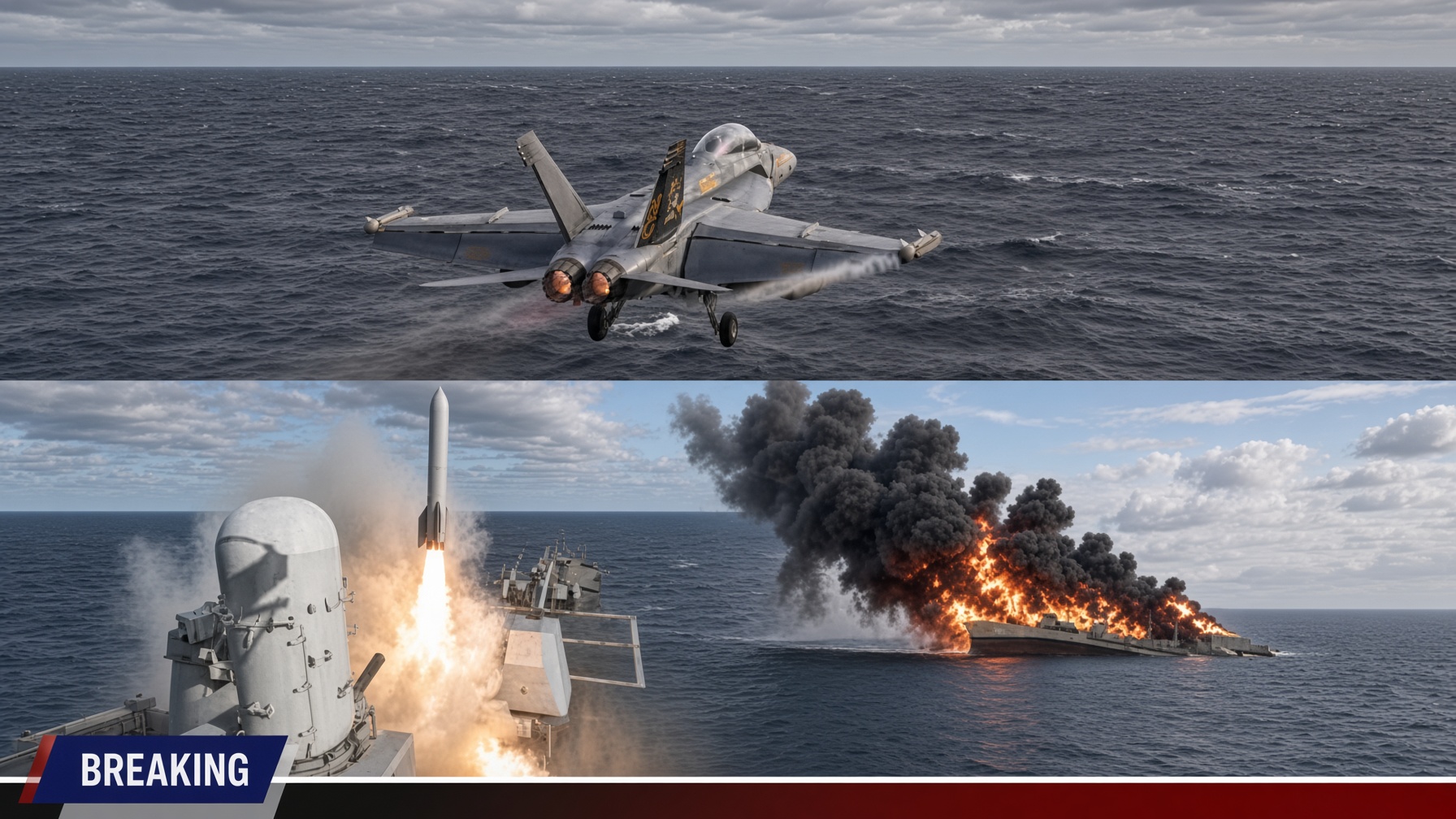
WASHINGTON — Efforts to end the months-long confrontation between the United States and Iran remain stalled as Washington pairs military strikes, a naval blockade and sanctions with pressure over the Strait of Hormuz, a chokepoint that carries a large share of the world’s oil.
The waterway has become the conflict’s most important pressure point. Recent fighting involving U.S. and Iranian forces has sharply reduced commercial traffic. Reuters reported Sunday that average daily commodity-ship transits had fallen to their lowest level since May after attacks on vessels near the strait.
Washington has demanded reliable freedom of navigation. Tehran has treated its position around the strait as leverage. Iran and Oman have held talks aimed at managing shipping and restoring more predictable passage, but those discussions have not produced a broader settlement.
Nuclear negotiations are also deadlocked. U.S. Energy Secretary Chris Wright said Sunday that Washington might not reach a new nuclear agreement with Tehran under current conditions, describing talks as stalled. “There may not be a nuclear agreement,” he said, adding that a deal “may await a next administration in Iran.”
The Trump administration has intensified economic pressure. Reuters reported that a U.S.-led mix of sanctions and a naval blockade has squeezed Iran’s oil exports and access to foreign currency. Iranian officials and analysts have pointed to shortages of hard currency, weaker imports and rising prices. Iran has gone roughly seven weeks without meaningful crude shipments through Hormuz, according to Reuters, underscoring the hit to its energy sector.
The disruption has rippled beyond Iran, adding volatility to global energy markets as shippers weigh the risk of further attacks.
Military exchanges have continued. U.S. forces have struck Iranian targets; Iranian forces have answered with attacks of their own. Incidents involving commercial and military vessels near the strait have raised fresh concerns about the safety of international shipping and complicated any return to diplomacy.
No comprehensive agreement is in place. The core disputes remain Iran’s nuclear program, sanctions relief, maritime security and control of traffic through Hormuz. Any durable deal would require difficult trade-offs on all four. For now, military and economic pressure continue alongside limited diplomatic contacts, leaving the path to a settlement uncertain and global energy markets exposed to further shocks.