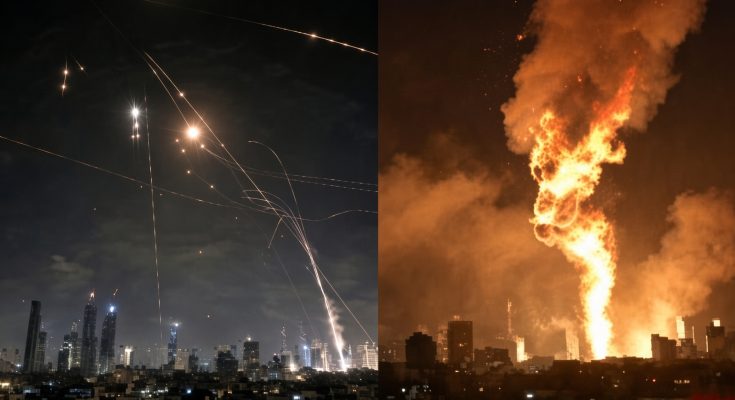
JERUSALEM — Israel is maintaining a heightened security posture as tensions across the Middle East continue to intensify, with officials closely monitoring developments that could trigger further military escalation.
The latest developments come as Israel faces security challenges on multiple fronts. On Sept. 9, the Israeli military said warning sirens were activated in several northern areas after a suspected hostile aircraft infiltration. The military said the incident remained under investigation.
The situation comes amid continued fighting involving Hezbollah in southern Lebanon and broader confrontation involving Iran and its regional allies. On Sept. 10, Israel said it had destroyed what it described as a major Hezbollah underground complex at the Ali al-Taher ridge in southern Lebanon. Israeli officials said the facility included command areas, weapons storage and underground infrastructure, while Reuters reported that Israeli forces planned to maintain a presence in the area.
The developments underscore the increasingly complicated security environment surrounding Israel.
Israeli defense authorities routinely monitor potential threats through intelligence gathering, surveillance and air-defense systems. Civilian authorities can also issue warnings or emergency instructions when officials determine that an immediate danger exists.
For residents, heightened military activity can mean increased alertness, disruptions and uncertainty. Northern communities in particular remain sensitive to developments along the Lebanon border, where exchanges involving Israel and Hezbollah have continued despite a U.S.-brokered ceasefire framework.
The wider region is also facing renewed instability. In Yemen, Iran-aligned Houthi forces have advanced toward strategic Red Sea positions, raising concerns about shipping and regional security. Meanwhile, tensions involving Iran, the United States and Israel have continued to affect military and commercial activity across the Middle East.
Diplomatic efforts remain important as governments attempt to prevent individual incidents from developing into a broader confrontation.
For now, Israeli authorities are continuing to monitor developments and maintain readiness. Whether the heightened posture remains precautionary or develops into a larger military response will depend on events across several regional fronts.
With tensions still elevated, officials are urging the public to rely on verified government announcements and follow emergency instructions rather than unconfirmed reports circulating online.