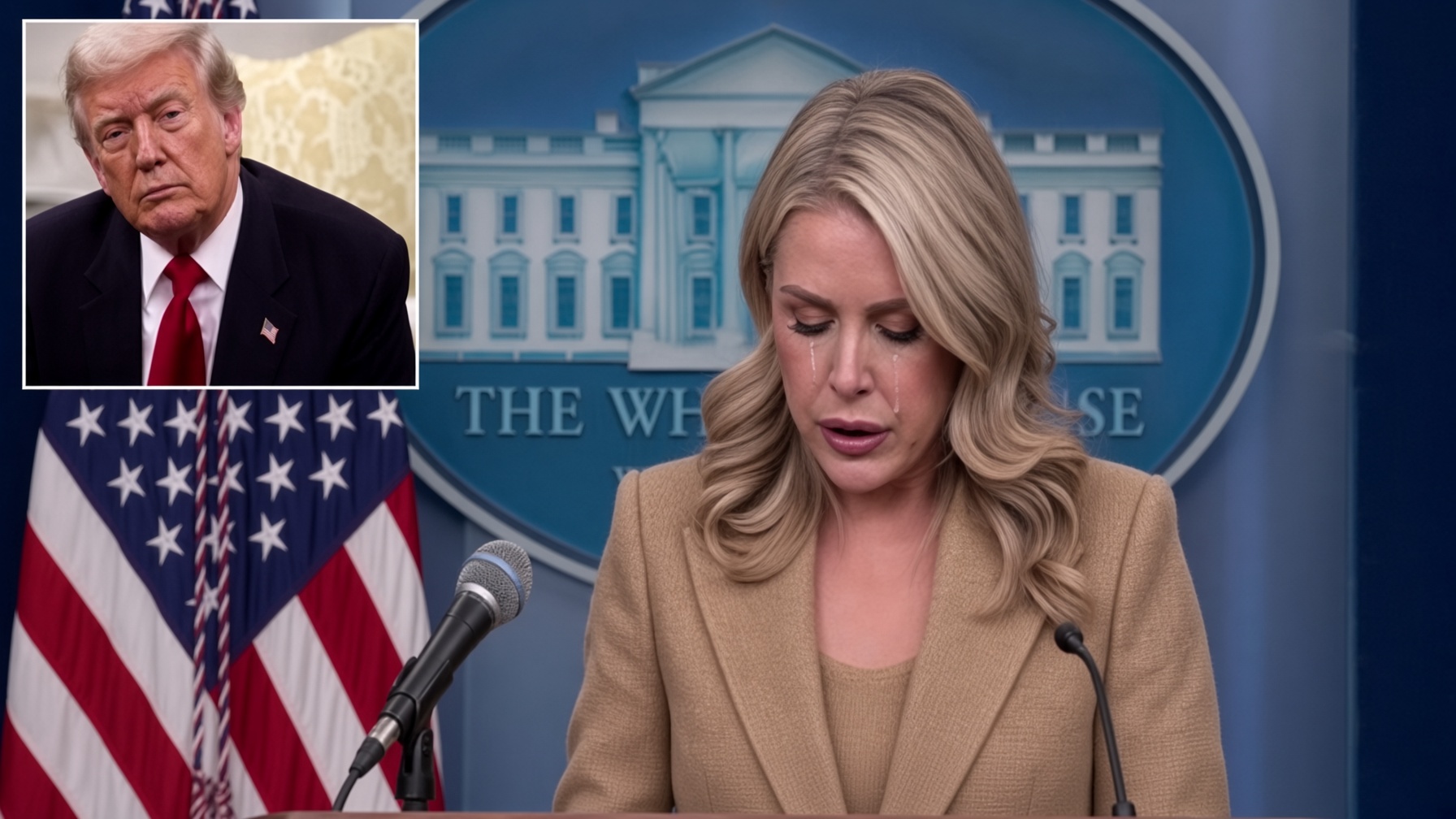
WASHINGTON — White House Press Secretary Karoline Leavitt is defending the Trump administration’s changes to White House media access, arguing that the new approach is intended to broaden participation rather than restrict journalists.
During an Axios event with co-founder Mike Allen, Leavitt addressed questions surrounding the Associated Press, the presidential press pool and the administration’s decision to give the White House a greater role in determining which outlets receive limited-access opportunities.
“I don’t view them as restrictions,” Leavitt said, arguing that the changes are designed to open access to “more outlets, more voices, more news, journalists and outlets.”
📰 Leavitt Challenges Traditional Press Pool System
One of the central issues discussed was the 13-member press pool that covers the president when space is limited.
Allen questioned whether excluding or limiting established organizations could affect the historical record, pointing to Associated Press photographer Evan Vucci’s widely recognized photograph of Trump after the 2024 assassination attempt in Butler, Pennsylvania.
Leavitt questioned why one organization should have a permanent position in the limited press pool, noting that thousands of outlets hold White House credentials while hundreds regularly cover the administration.
The White House has argued that newer and nontraditional outlets should have greater opportunities to participate. In 2025, Leavitt also opened briefing-room seats to independent journalists, podcasters, social-media influencers and other digital-media figures.
⚖️ White House and WHCA Clash Over Access
The changes have nevertheless produced a broader dispute over who should determine which journalists receive access when space is restricted.
The White House Correspondents’ Association has objected to the administration taking greater control over press-pool assignments. The WHCA said in 2025 that the government should not control the independent media organizations covering it and argued that established wire services play an important role in distributing information to news organizations across the country and around the world.
The WHCA explains that press pools exist because venues such as the Oval Office and Roosevelt Room cannot accommodate every journalist who wants to attend. Pool reporters and photographers therefore represent a larger press corps and distribute their reports to other journalists.
🌐 A Changing Media Landscape
Leavitt has framed the administration’s approach as a response to changes in how Americans consume news.
Digital publications, podcasts, independent journalists and social-media creators now compete alongside newspapers, television networks and wire services for audiences. The administration has argued that White House access should reflect that changing landscape.
The dispute, however, extends beyond individual outlets. It raises questions about how limited government-controlled spaces should be allocated while preserving independent journalism and broad access to presidential activities.
The Associated Press previously sued Trump administration officials after its reporters were restricted from certain presidential events, arguing that the restrictions violated its First Amendment rights.
🇺🇸 Debate Likely to Continue
Leavitt maintains that the administration is expanding access and giving more journalists an opportunity to cover the president. Critics, including the WHCA, have expressed concerns about allowing the government greater discretion over which outlets participate in limited press opportunities.
The disagreement reflects a larger transformation in the American news industry, where traditional institutions increasingly operate alongside digital and independent platforms.
For now, the White House says its goal is broader media participation, while press organizations continue to debate how those changes affect independence, access and presidential accountability.
The discussion is likely to remain part of the broader national conversation over the relationship between the Trump administration and the American news media.