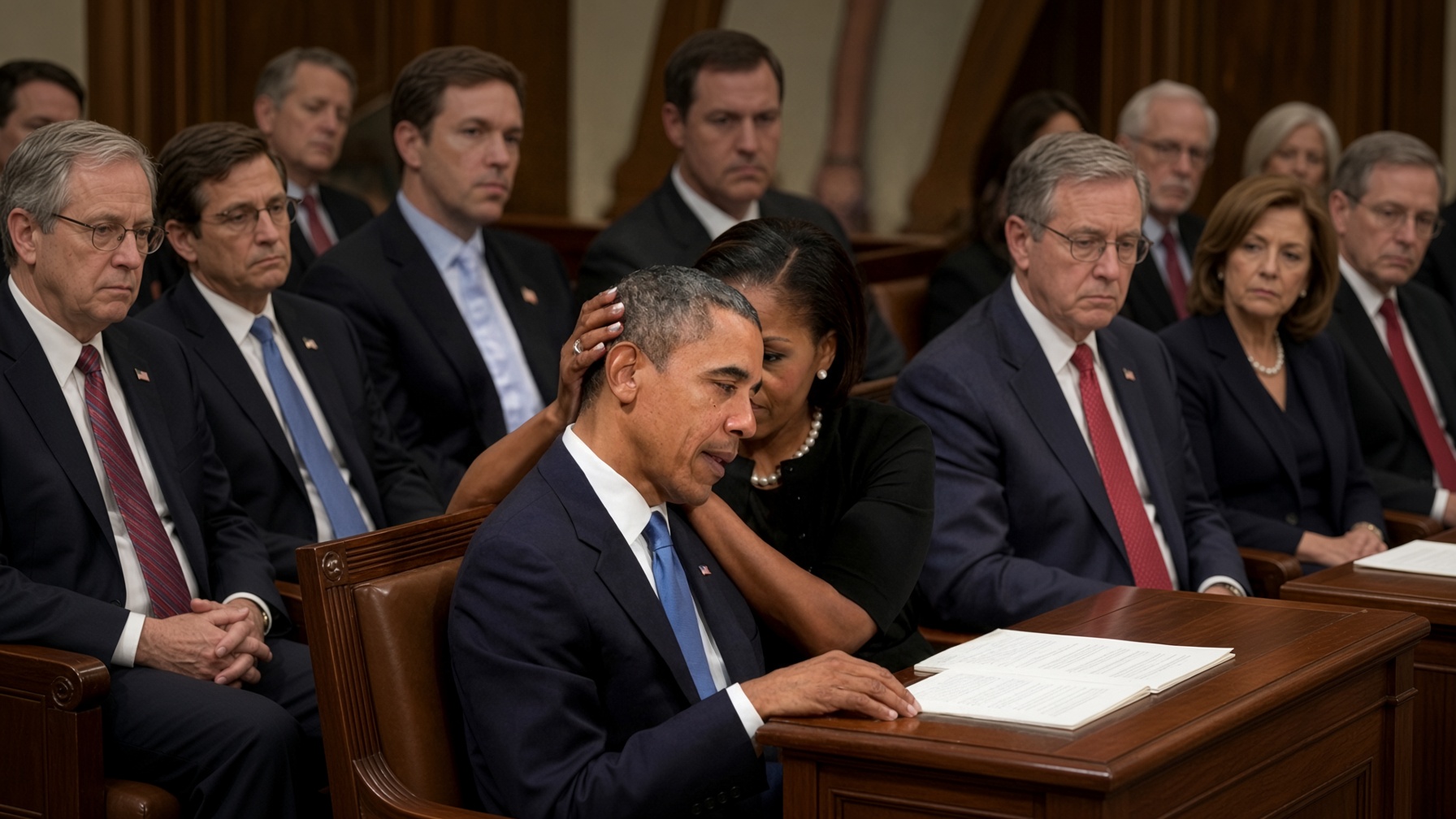
CHICAGO — Marian Shields Robinson, mother of former first lady Michelle Obama and the woman the country came to call the First Grandma, died on May 31, 2024. She was 86. The Obama and Robinson families said she had been “the same steady backstop for our entire family,” a person who could cut through noise with calm.
She was born Marian Shields on Chicago’s South Side and grew up with six siblings. She worked as a secretary, married Fraser Robinson III, and raised Michelle and Craig in a modest brick bungalow. The lessons were practical: do your own work, keep your dignity, do not confuse a title with worth. Michelle Obama later called that ethic “enoughness” — contentment and self-possession instead of a chase for status. It runs through *Becoming* and through the first lady’s later talks on family and resilience.
When the Obamas moved into the White House in 2009, Robinson left the only city she had ever really called home and took a third-floor room. The reason was the girls. Malia and Sasha were 10 and 7. Their grandmother coordinated after-school hours, ordinary dinners, and bedtimes so the East Wing did not swallow childhood. She washed her own laundry. She slipped out for unannounced walks. Secret Service and state dinners were the building’s rules. Her rule was that a house still had to feel like a house.
Staff and reporters noticed the absence of performance. She did not build a separate public brand. She sat in the background of holiday photos and school events. That was the point. Two terms of cameras are easier to survive if someone at the table is not performing for them.
Fraser Robinson died in 1991. Marian stayed in Chicago until the White House years, then returned. She was not a policy aide. She was the adult who remembered that children need a predictable evening. In a family that became a global symbol, that job was not small.
The memorial language after her death stressed understatement: wisdom without a speech, support without a spotlight. Those who write about first families often reach for influence measured in programs and polls. Robinson’s influence was domestic and therefore easy to miss — and hard to replace. The girls grew up. The mansion emptied. The South Side bungalow ethic remained the thing Michelle Obama still cites when she talks about how a person decides they are already enough.
She is survived by her children, her son-in-law, her grandchildren, and a public memory that, for once, matches the private one: a grandmother who treated the most watched house in the country as a place where laundry still got done and children still got put to bed.