**⚓ Hormuz Traffic Slumps as U.S.–Iran Talks Stall and Pressure Tightens**
The United States is still trying to settle its war with Iran by mixing strikes, sanctions, and a fight over the Strait of Hormuz. None of those tools has produced a full deal. The strait, which in peacetime carries a large share of the world’s seaborne oil, has become the most visible measure of how far the conflict still is from normal.
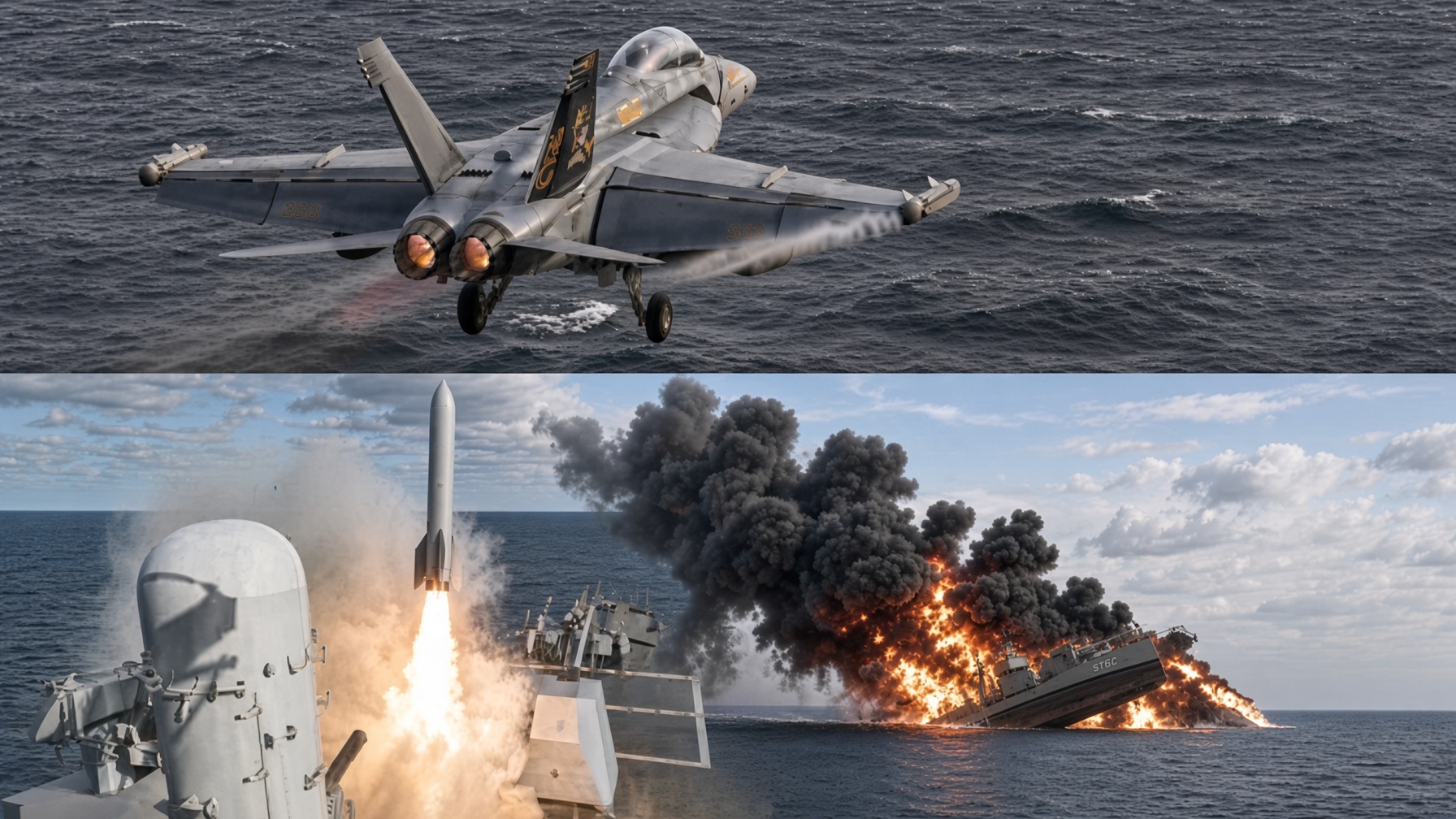
Reuters and ship-tracking firms have described commodity traffic collapsing again after a brief June rebound. A cease-fire memorandum that month reopened the waterway long enough for crude loadings to spike, then fighting resumed. Seven-day averages fell back toward single-digit daily crossings — a fraction of the prewar pace of more than 100 ships a day. Some September readings were among the weakest since spring. A large share of remaining transits run with AIS beacons off. U.S. forces say they escort ships and clear mines on a southern lane nearer Oman. Iran still treats the strait as leverage. Attacks on tankers have continued. Insurance and delayed cargoes are the quiet cost.
Diplomacy has not closed the gap. Oman has hosted talks about managing shipping. Broader nuclear and cease-fire talks have not. Energy Secretary Chris Wright said on ABC’s *This Week* in early September that a nuclear agreement “may not” happen soon. It “may be simply destroying their capabilities,” he said, or it “may await a next administration in Iran.” He later told other programs that Washington remains “always open for a deal” while putting “maximum economic pressure” on Tehran and trying to choke its energy exports. That is not a negotiating calendar. It is an admission that the June memorandum did not become a settlement.
The economic campaign is the other half of the same policy. Sanctions and a naval squeeze have cut Iran’s ability to move crude through Hormuz for weeks at a stretch. Officials and analysts inside Iran have described a shortage of hard currency, thinner imports, and higher prices. The same disruption hits buyers who used to take Gulf barrels as routine. Markets have been jumpy whenever a ship is hit or a new U.S. strike is announced.
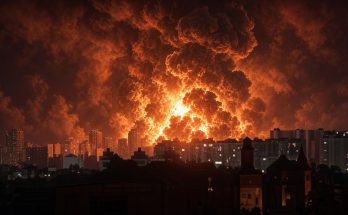
Military exchanges keep writing over the diplomats’ draft. American raids on missile, drone, and coastal sites are answered by Iranian fire at U.S. and partner locations and at shipping. Each round makes a cease-fire harder to police and a nuclear text harder to sell at home.
The unresolved list has not shortened: enrichment and inspections, sanctions relief and frozen funds, freedom of navigation without Iranian tolls, and an end to fire on commercial ships. Until those items are written the same way in Washington and Tehran, Hormuz will stay a pressure point instead of a passage — and global energy markets will price the difference.