NEW DELHI — Secretary of State Marco Rubio declared that the immediate and permanent reopening of the Strait of Hormuz is a non-negotiable imperative for Washington, sharply condemning Tehran’s maritime disruptions as “unlawful, illegal, unsustainable for the world, and unacceptable.”
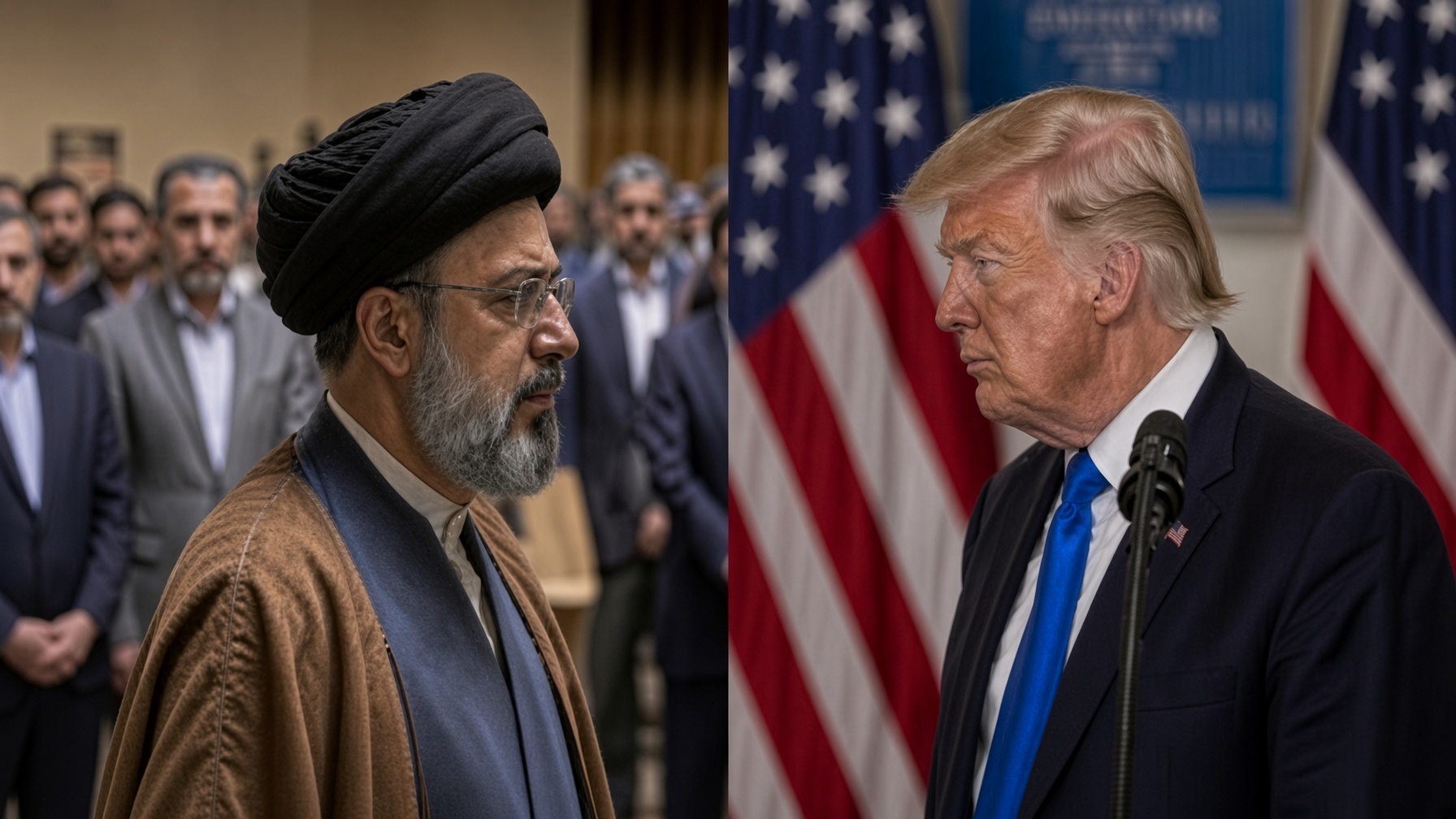
Speaking from India during a high-stakes diplomatic mission, Rubio confirmed that direct negotiations between American and Iranian envoys are actively underway in Doha, Qatar. Diplomats are fine-tuning the preliminary text of a potential security framework, though Rubio cautioned that reaching a final accord will take time. Underscoring President Donald Trump’s foreign policy doctrine, Rubio reiterated that the administration insists on “a good deal or no deal.”
The diplomatic maneuvers in Qatar were immediately shadowed by military action across the Persian Gulf, where U.S. Central Command (CENTCOM) executed precision strikes against Iranian military infrastructure.
Kinetic Strikes Near Bandar Abbas
According to CENTCOM spokesperson Captain Tim Hawkins, U.S. forces launched targeted self-defense strikes against advanced missile emplacements and naval assets preparing sea-mining operations along vital commercial transit lanes. Pentagon officials categorized the action as a defensive measure intended to neutralize direct threats while operating within the broader parameters of an existing regional truce.
Defense officials revealed that U.S. patrol aircraft and warships operating in the Gulf of Oman faced hostile tracking from Iranian surface-to-air missile batteries. The retaliatory strikes struck strategic positions near Bandar Abbas—a linchpin Iranian naval installation—underscoring Washington’s willingness to deploy kinetic force alongside its diplomatic press.
Dual-Track Pressure in Doha
Despite the tactical exchange, both governments signaled an intent to keep the Qatar channel operational. Iranian Foreign Ministry spokesperson Esmaeil Baqaei acknowledged that negotiators had reached “areas of understanding” on several sticking points, though he cautioned that substantial gaps remain and accused Washington of introducing shifting demands.
In Washington, President Trump stood by his negotiating team, assuring that any prospective compact would be comprehensive and enforceable. Trump repeatedly contrasted the developing terms with the 2015 Joint Comprehensive Plan of Action (JCPOA), maintaining that the previous agreement granted sanctions relief without imposing permanent limits on Tehran’s nuclear apparatus.
Outlining a Stricter Accord
Senior administration officials outlined the key tenets of the draft framework currently under negotiation. Under the proposed terms, Tehran would be required to eliminate its existing stockpile of highly enriched uranium, guarantee unimpeded navigation through the Strait of Hormuz, and submit to multi-decade enrichment restrictions backed by intrusive international inspections.
In return, the United States would initiate a phased lifting of select economic sanctions and terminate its naval blockade of Iranian commercial ports.
Negotiators are now focused on technical definitions, verification schedules, and enforcement mechanisms. The White House maintains that targeted strikes around Bandar Abbas have focused Iranian leadership, with administration officials insisting that any finalized deal must deliver a permanently verifiable resolution to regional maritime and nuclear concerns.