WASHINGTON — In a major 6–3 decision, the Supreme Court ruled that federal judges lack the constitutional authority to create private causes of action for alleged violations of international law, effectively ending a 15-year legal battle against tech giant Cisco Systems over its sales to China.
Writing for the conservative majority in Cisco Systems, Inc. v. Doe, Justice Amy Coney Barrett held that the Alien Tort Statute (ATS) of 1789 functions purely as a jurisdictional statute rather than an open door for judicially crafted claims. The Court further ruled that the Torture Victim Protection Act (TVPA) of 1991 contains no provision holding corporations or individuals civilly liable for secondary aiding and abetting.
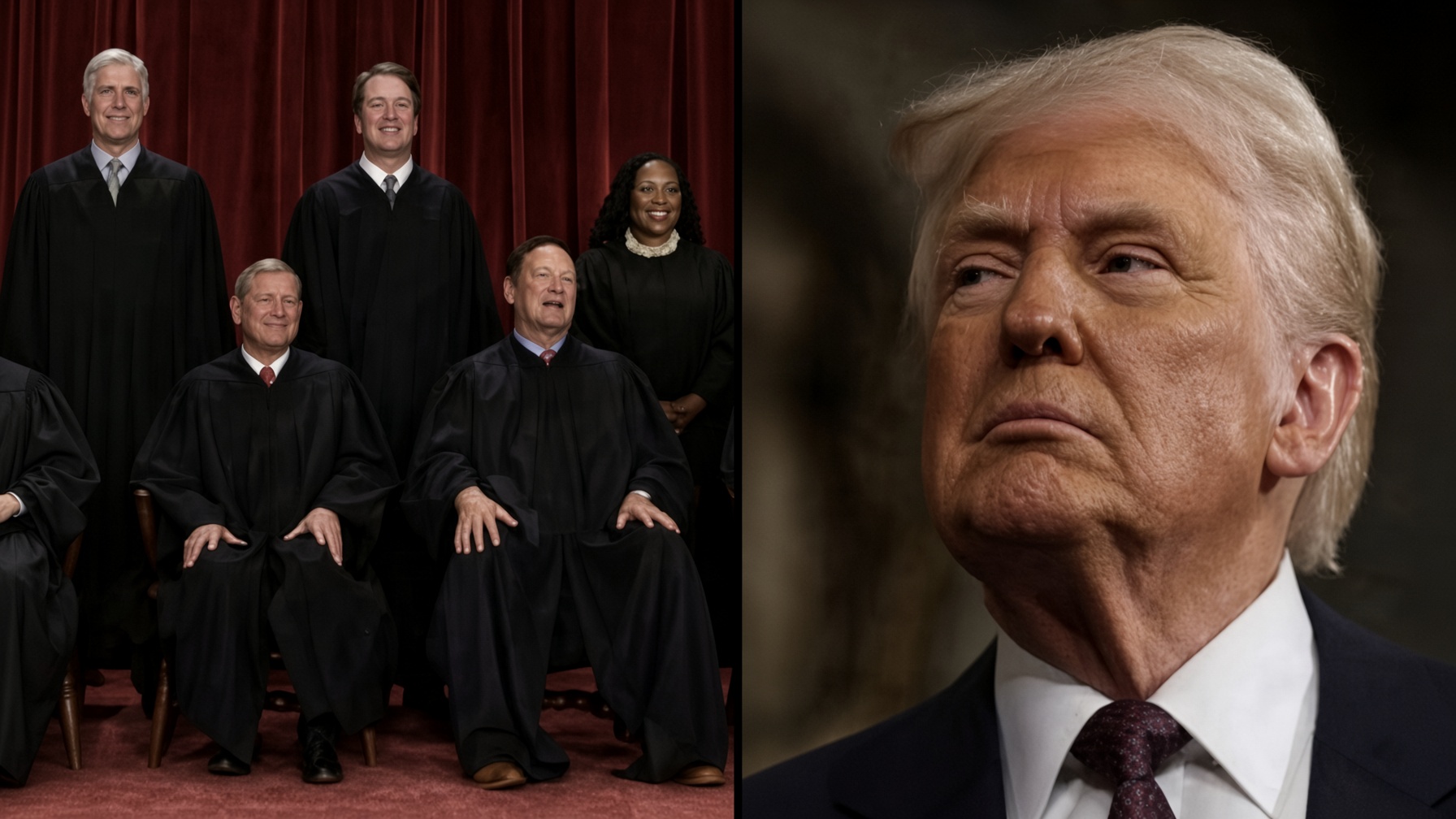
Chief Justice John Roberts and Justices Clarence Thomas, Samuel Alito, Neil Gorsuch, and Brett Kavanaugh joined Barrett’s opinion, which reversed a prior ruling by the U.S. Court of Appeals for the Ninth Circuit.
Closing the Door on Judicial Creation
“Today, we close the door that Sosa cracked and hold that courts may not create new causes of action for violations of international norms,” Barrett wrote, pointing back to the high court’s 2004 precedent in Sosa v. Alvarez-Machain.
Barrett stressed that fashioning private rights of action infringes upon the separation of powers and risks entangling the federal judiciary in complex foreign relations best left to elected officials. Because the judiciary cannot manufacture ATS claims out of whole cloth, she noted, secondary liability theories under the law are untenable. Addressing the TVPA, the majority concluded that Congress explicitly provides for aiding-and-abetting liability when it intends to, making statutory silence dispositive.
The underlying litigation began in 2011, brought by anonymous Falun Gong adherents who alleged Cisco and two former executives designed and supplied networking gear used by Chinese authorities to build surveillance infrastructure, including the “Golden Shield” system. Cisco denied engineering equipment to facilitate human rights abuses, and the federal government backed the company’s defense, arguing that broad judicial liability interferes with executive foreign policy.
Sharp Dissent from Liberal Wing
The ruling drew forceful pushback from the court’s liberal justices. Justice Sonia Sotomayor, dissenting alongside Justices Elena Kagan and Ketanji Brown Jackson in key parts, warned that the majority “jettisons two decades of settled precedent” and “shuts the courthouse doors to almost any claimed violation of international law under the ATS.”
Sotomayor argued that the plain text and legislative history of the TVPA comfortably encompass those who assist and facilitate torture. In a partial concurrence and dissent, Justice Jackson agreed that the ATS demanded narrowing but argued the TVPA could support specific secondary claims.
Broader Corporate and Legal Implications
The ruling marks the culmination of a decades-long judicial retreat from using domestic courts to police foreign conduct. Business groups and multinational technology firms praised the decision as vital relief from unpredictable, extraterritorial tort litigation. Conversely, human rights advocates cautioned that foreign victims of state-sponsored atrocities now face a nearly insurmountable barrier in U.S. federal courts without direct statutory intervention from Congress.