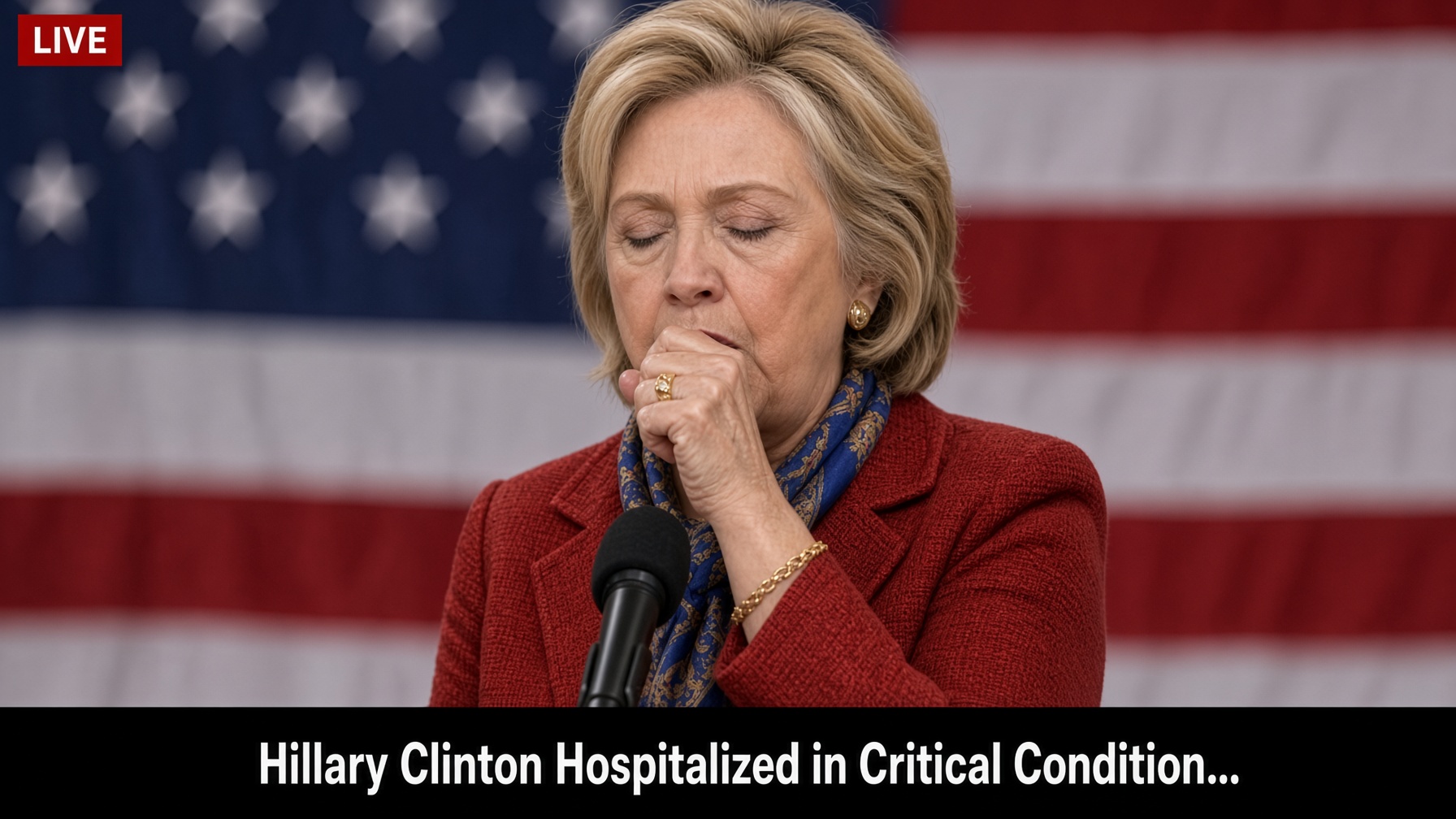
WASHINGTON — In an information sphere shaped by relentless algorithmic speed, the boundaries between verified reality and manufactured hysteria have dissolved into an unstable blur. Within the span of a single afternoon, media feeds were overwhelmed by a jarring patchwork of viral alerts: claims that former Secretary of State Hillary Clinton was hospitalized in critical condition, fabricated flashes reporting a fatal cross-border aviation disaster involving former President Joe Biden, security bulletins detailing an assault on Vice President JD Vance’s residence, and automated real-estate advertisements incongruously sandwiched between declarations of national emergency.
The collision of uncorroborated political trauma and click-driven sensationalism left audiences trapped in a familiar suspended state—scrolling through conflicting notifications, parsing phantom quotes, and waiting for accredited newsrooms or official spokespersons to establish baseline facts.
The Mechanics of Narrative Compression
The sudden surge of speculation demonstrates how micro-posts bypass critical scrutiny. By stripping away timeline, documentation, and sourcing, short-form alerts package dramatic conclusions before their basic premises can be evaluated. An alarming headline or an isolated image suggests a catastrophe in progress, compelling readers to react before any primary agency—be it a medical center, law enforcement body, or aviation authority—has confirmed an incident.
In the vacuum created by official silence, speculation expands unchecked. Observers across the political spectrum find themselves reacting to phantom events: political allies mobilize messages of solidarity, adversaries issue measured statements, and the broader public is drawn into an manufactured cycle of grief or outrage. The emotional contrast between ordinary afternoon routines and sudden breaking alarms drives reflexive sharing, accelerating the spread across decentralized networks.
Reconstructing Reality Behind the Noise
The danger of rapid-fire rumor extends well beyond momentary panic; it distorts accountability and blurs the public record. When legitimate updates regarding security incidents or high-profile public figures appear in the exact same feed layout as fabrications and commercial promotions, the visual authority of verified reporting is systematically diluted.
Journalistic standards operate on the inverse of viral dynamics. Establishing an accurate record requires tracing fragmented details back to their origin—identifying who witnessed an event, who corroborated it on the record, and how a speculative claim gained momentum. When stories involve the health, security, or survival of public figures, premature reporting inflicts acute distress on families and diverts institutional resources toward refuting falsehoods rather than addressing authentic crises.
The Lasting Human Aftermath
Long after an unverified alert is corrected or debunked, those placed at the heart of the frenzy must navigate the fallout. False declarations of fatal crashes or severe illness generate genuine shock among families, staff, and communities before corrections can catch up. While algorithms pivot immediately to the next trending topic, the human toll of being thrust into a manufactured narrative remains.
The episode reinforces the critical necessity of informational restraint. In fast-breaking environments, the most effective response remains patience: allowing verified facts to overtake speculative rumor and recognizing that enduring truth is established through careful verification rather than instantaneous declaration.