WASHINGTON — Diplomatic efforts to de-escalate the volatile standoff between the United States and Iran are teetering on edge as the Trump administration accelerates a high-pressure campaign combining kinetic strikes, secondary sanctions, and maritime interdiction centered on the Strait of Hormuz.
The narrow chokepoint—the conduit for nearly a fifth of the world’s petroleum consumption—has evolved into the operational nexus of the crisis. A sequence of direct military exchanges between American forces and Iranian elements has chilled commercial shipping, sending daily commodity transit through the waterway tumbling to its lowest recorded volume since May.
Chokepoint Gridlock Shakes Global Energy Markets
The steep decline in commercial tanker transits follows months of escalating brinkmanship over maritime hegemony along the Persian Gulf littoral. While the United States and allied task forces have attempted to enforce freedom of navigation under international law, Tehran has capitalized on its coastal batteries, fast-attack craft, and mine-laying capabilities to transform the passage into an asymmetric lever of geopolitical bargaining.
The resulting paralysis is visible across international supply chains. War-risk insurance premiums for merchant vessels transiting the strait have surged, compelling major international shipping syndicates to hold tankers at anchor or divert voyages along costly, long-distance routes around the African continent.
The disruptions have triggered sharp volatility across global benchmark crude indices, stoking fears that an unintended skirmish in the congested corridor could precipitate a prolonged global energy shock.
Regional Mediation Confronts Nuclear Impasse
Backchannel negotiations have struggled to arrest the downward spiral. While regional intermediaries, including Omani envoys, have hosted targeted technical discussions aimed at standardizing escort protocols and securing safe passage corridors for non-belligerent merchant hulls, broader geopolitical talks have hit an absolute impasse.
U.S. Energy Secretary Chris Wright cast severe doubt on the feasibility of an overarching pact, confirming that talks addressing Tehran’s advanced uranium enrichment infrastructure have ground to a halt. Wright noted that under current operational conditions, Washington is unlikely to finalize a renewed nuclear compact with Iran, characterizing multilateral negotiations as effectively stalled.
The administration’s refusal to ease strategic pressure without sweeping, verifiable rollbacks of Iran’s nuclear research and regional proxy funding has left mediator capitals with little room to broker a lasting truce.
Economic Siege Cripples Iranian Crude Flows
Simultaneously, Washington’s economic warfare apparatus is tightening its grip on Tehran’s remaining financial lifelines. Coordinated sanctions enforcement, coupled with an aggressive U.S.-led naval posture that monitors and interdicts illicit shadow-fleet tankers, has dealt a severe blow to Iran’s state revenues.
Independent tracking data reveals that Iran has now endured roughly seven consecutive weeks without exporting meaningful volumes of crude through the Strait of Hormuz. The prolonged export freeze has starved the Islamic Republic of crucial foreign exchange reserves, triggering steep currency devaluation, runaway domestic inflation, and acute shortages of essential imported capital goods.
Iranian analysts and government administrators have quietly conceded that the dual pressure of restricted waters and tightening financial blacklists is creating unprecedented domestic fiscal stress, constraining the government’s ability to subsidize basic commodities.
A Precarious Cycle of Kinetic Retaliation
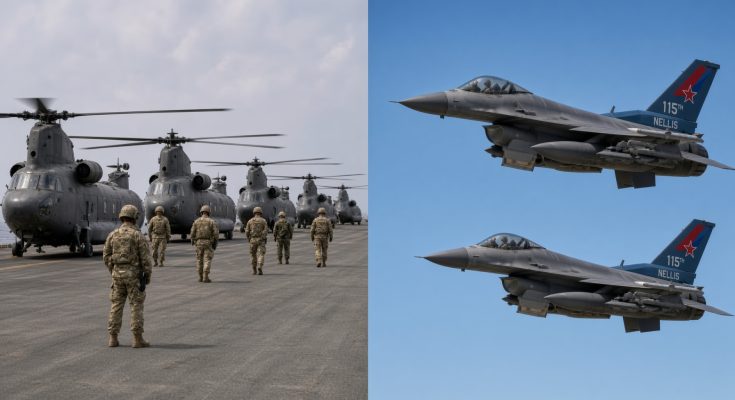
On the water and in the skies, deterrence remains razor-thin. U.S. forces have executed targeted precision strikes against Iranian military assets, command posts, and coastal monitoring installations. In turn, Iranian forces and aligned paramilitary factions have answered with retaliatory ballistic strikes, drone salvos, and targeted harassment of maritime traffic traversing the Gulf of Oman and the southern straits.
The persistent exchange of fire has vastly complicated backstage diplomacy. Every tactical encounter risks an escalatory threshold from which neither capital can easily pull back without sacrificing political posture.
For now, the strategic architecture separating conflict from open war rests on uncoordinated restraint. The fundamental drivers of the confrontation—the unchecked expansion of Iran’s atomic program, sweeping American sanctions, Iranian ballistic development, and undisputed sovereignty over the world’s most critical maritime corridor—remain wholly unresolved. Without a structured diplomatic breakthrough, the waterway remains an active flashpoint capable of upending both regional stability and the international economy.