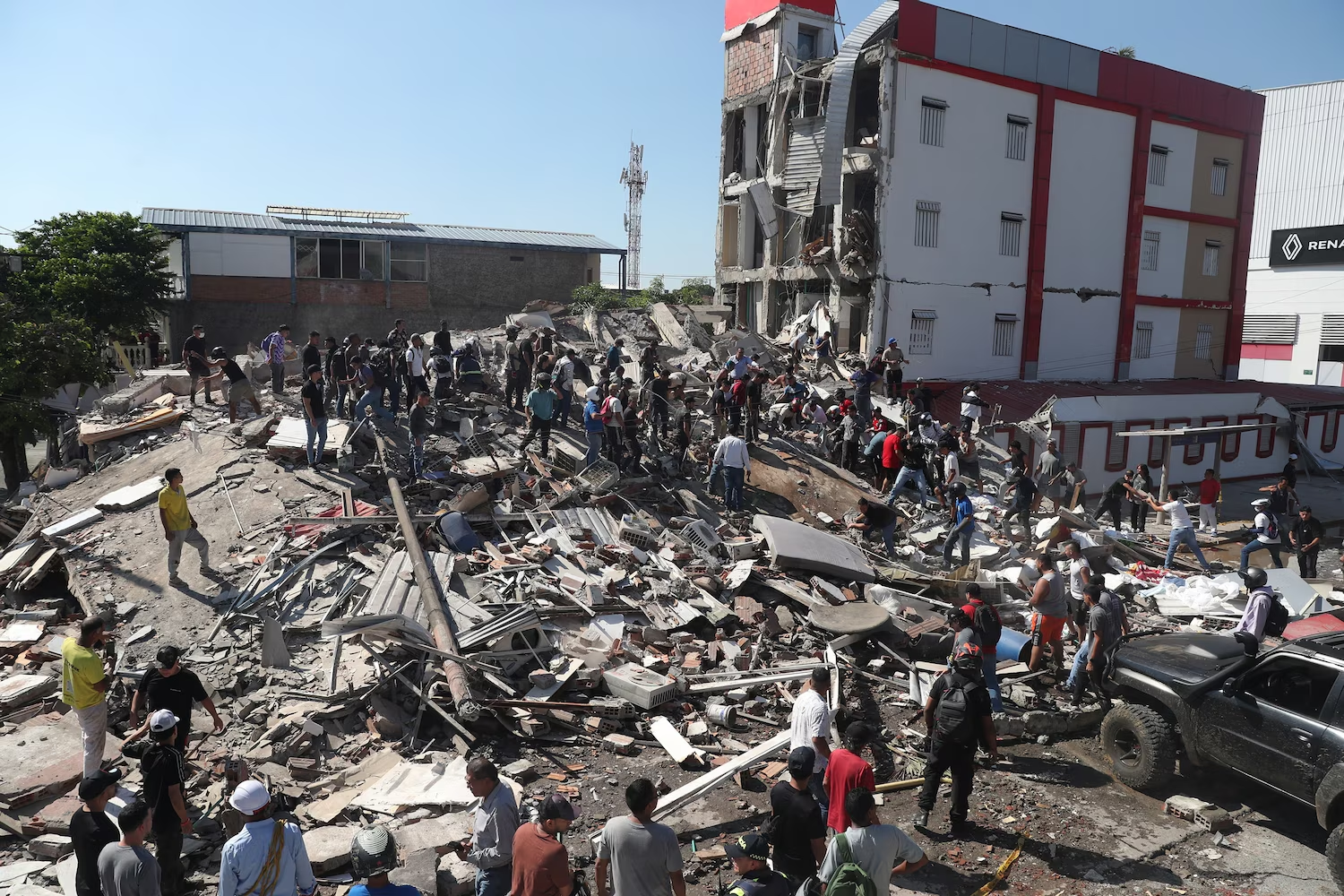
A powerful earthquake has devastated western Colombia, killing at least 224 people and leaving hundreds more injured as emergency crews race against time to find survivors trapped beneath collapsed buildings.
The magnitude 7.4 earthquake struck on August 10, sending powerful tremors through parts of the country and causing widespread destruction. Buildings were damaged or reduced to rubble, roads were disrupted, and communities in some of the hardest-hit areas were left struggling to reach emergency services.
Rescue operations have continued around the clock, with firefighters, police officers, medical teams and other emergency personnel searching through unstable structures for signs of life. Crews have been carefully removing concrete, metal and other debris by hand and with heavy equipment as they attempt to reach people believed to be trapped underneath.
The situation remains especially urgent because the first days following a major earthquake can be critical for rescuing people buried in collapsed structures. Officials and humanitarian workers have warned that the number of casualties could change as rescuers gain access to areas that remain difficult to reach.
The disaster has affected several communities across western Colombia, including major cities such as Cali, Pereira and Manizales. Reports have described extensive structural damage and scenes of desperation as families search for relatives and residents gather outside damaged buildings for safety.
The earthquake has also created enormous challenges for Colombia’s emergency response system. Rescue teams must contend with damaged infrastructure, unstable buildings and the sheer scale of the disaster while attempting to provide medical assistance to the injured and shelter to people who can no longer safely remain in their homes.
Despite the devastation, rescuers have reported moments of hope. Emergency workers have managed to pull survivors from the rubble, demonstrating the possibility that others may still be alive beneath collapsed structures. The search therefore remains focused on locating survivors before the window for successful rescues becomes narrower.
International assistance is also beginning to reach Colombia. The United States has pledged more than $15 million in support, while Mexico and El Salvador are sending rescue personnel and aid to assist with the emergency response.
For families across the affected region, however, the immediate priority remains finding loved ones. As rescue workers continue digging through the rubble, authorities are expected to provide further updates on casualties, injuries and missing people.
The earthquake has left communities facing a long and difficult recovery. Beyond the immediate search for survivors, Colombia will have to assess damaged homes, hospitals, businesses and critical infrastructure while providing assistance to thousands of people affected by the disaster.
With rescue operations still underway, officials are urging people to remain alert around damaged structures and follow instructions from emergency authorities. The full human and economic toll of the earthquake may not be known for some time.
This is a developing story. Casualty figures and other details may change as authorities continue search-and-rescue operations and verify reports.