Uganda has unveiled a bronze statue honoring Yonatan “Yoni” Netanyahu, the Israeli commando who led the 1976 hostage rescue at Entebbe Airport and was the only Israeli soldier killed in the operation. The monument was dedicated on Aug. 1 at the former Entebbe Airport terminal to mark the 50th anniversary of the mission, commonly known as the Raid on Entebbe or Operation Thunderbolt.
Senior Ugandan military officials attended the ceremony. Local reports described the event as highlighting the security and diplomatic ties that have developed between Uganda and Israel in the decades since the raid.
On July 4, 1976, Israeli forces rescued more than 100 hostages after an Air France flight from Tel Aviv to Paris was hijacked by armed militants and diverted to Uganda, then under President Idi Amin. The hijackers demanded a $5 million ransom and the release of imprisoned Palestinian militants. Of the 106 hostages held at the airport, 102 were freed. Lt. Col. Yonatan Netanyahu, older brother of current Israeli Prime Minister Benjamin Netanyahu, commanded the assault force and was killed by sniper fire during the operation.
The new statue stands at the site of the former terminal where the rescue took place. The 1976 mission later inspired several films, including a 1977 adaptation.
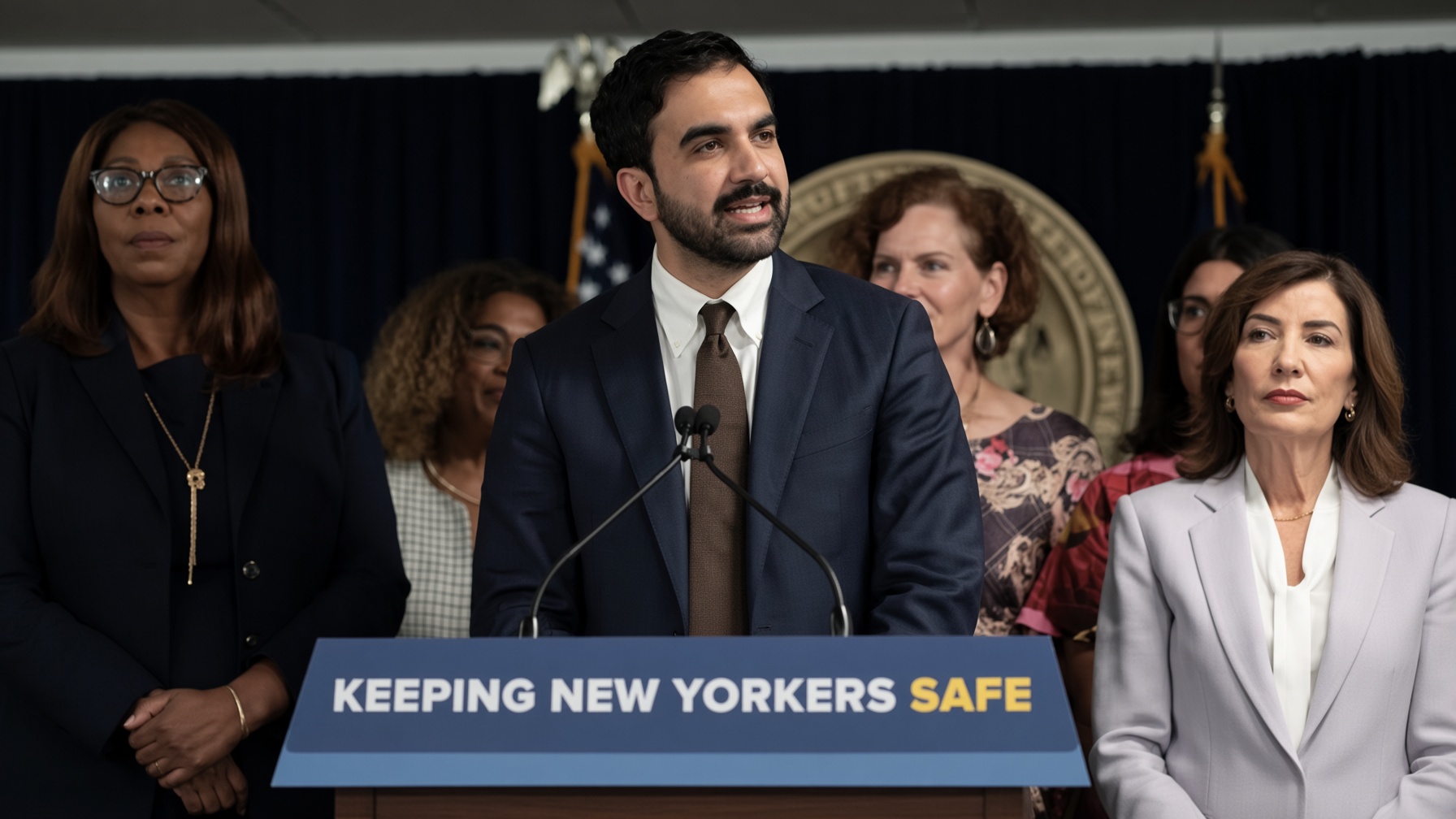
The unveiling has drawn attention in New York because of the city’s mayor, Zohran Mamdani. Born in Uganda, Mamdani holds both U.S. and Ugandan citizenship. He spent part of his early childhood in South Africa before moving to the United States at age 7.
Mamdani has publicly criticized Benjamin Netanyahu, referring to him as a “war criminal” in social media posts and video messages and suggesting the Israeli leader could face arrest if he traveled to New York. Those comments have made the Ugandan statue a point of discussion among some of Mamdani’s critics.
Former Brooklyn Democratic Assemblyman Dov Hikind, founder of Americans Against Antisemitism, called the development “poetic justice.” Hikind, who named a son after the fallen Israeli officer, said the statue was personal for him because Yoni Netanyahu “was a hero of the Jewish people and was ultimately dealing with what Israel is dealing with today: terrorism.”
Uganda’s relationship with Israel has shifted significantly since the Amin era, when the government maintained an adversarial stance. The recent ceremony reflected the closer ties that have developed in subsequent decades.
In February, Mahmood Mamdani, a Columbia University professor and the mayor’s father, published *Slow Poison: Idi Amin, Yoweri Museveni and the Making of the Ugandan State*. The book examines Uganda’s political development under both leaders and discusses the role of foreign powers, including Israel, in shaping the country’s landscape. Reviewer Jonathan Beloff criticized the work for what he described as insufficient attention to Amin’s allowance and support of the 1976 hijacking and attack on the Air France passengers.
The statue and the surrounding discussion underscore the lasting historical weight of the Entebbe operation and the complex personal and political connections it continues to evoke.