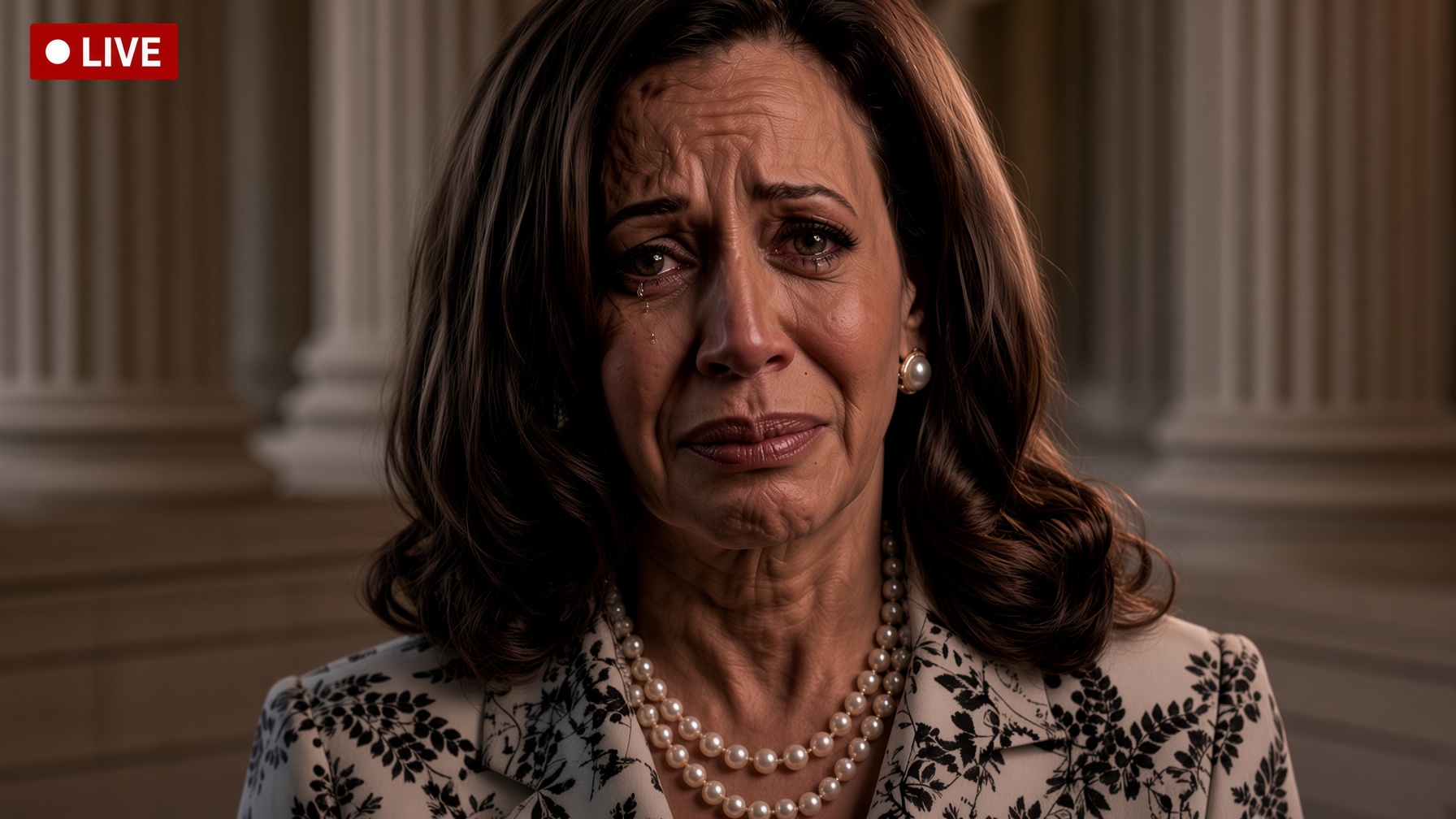
Kamala Harris formally secured the Democratic presidential nomination after President Joe Biden ended his reelection bid and endorsed her as his successor, recasting the 2024 contest in a matter of weeks.
Biden’s withdrawal followed a period of intense doubt about his campaign and his fitness to seek another term. Once he stepped aside, party leaders moved quickly to consolidate support behind the vice president. Delegates at the Democratic National Convention confirmed her nomination, presenting the vote as a show of unity after a turbulent summer.
Harris entered the race with four years as vice president and a national profile built during the Biden administration. Her nomination was also historic: she became the first woman of Black and South Asian heritage to lead a major U.S. party ticket for president.
Republicans immediately recast their general-election strategy around her. GOP leaders sought to tie Harris to the Biden record on inflation, immigration and foreign policy. Democrats answered by emphasizing her experience, her role in the administration and the chance to reset the campaign after Biden’s exit.
With the convention over, both parties turned to the battleground map. Campaigns concentrated on a handful of closely divided states where turnout, persuasion and late-deciding voters were expected to decide the outcome. The contest sharpened around familiar fault lines: the economy, immigration, health care, abortion rights, foreign policy and competing claims about the health of American democracy.
Harris’s rise marked one of the sharpest mid-cycle turns in modern presidential politics. Biden had launched a reelection campaign, weathered criticism after a poor debate performance, then abandoned the race and transferred his support to his vice president. Democrats framed that sequence as necessary adaptation. Republicans called it evidence of a party in disarray.
The nomination closed one chapter and opened another. Harris shifted from running mate to standard-bearer, building a ticket, raising money and defining a message distinct from Biden’s while still defending the administration’s record. Advisers said the compressed calendar left little room for a traditional primary-style rollout; the general election was already underway.
As the campaign moved into the fall stretch, Harris and her Republican opponent prepared for a tight race decided less by convention pageantry than by voters in a small number of states. The nomination was settled. The argument over who should lead the country was not.