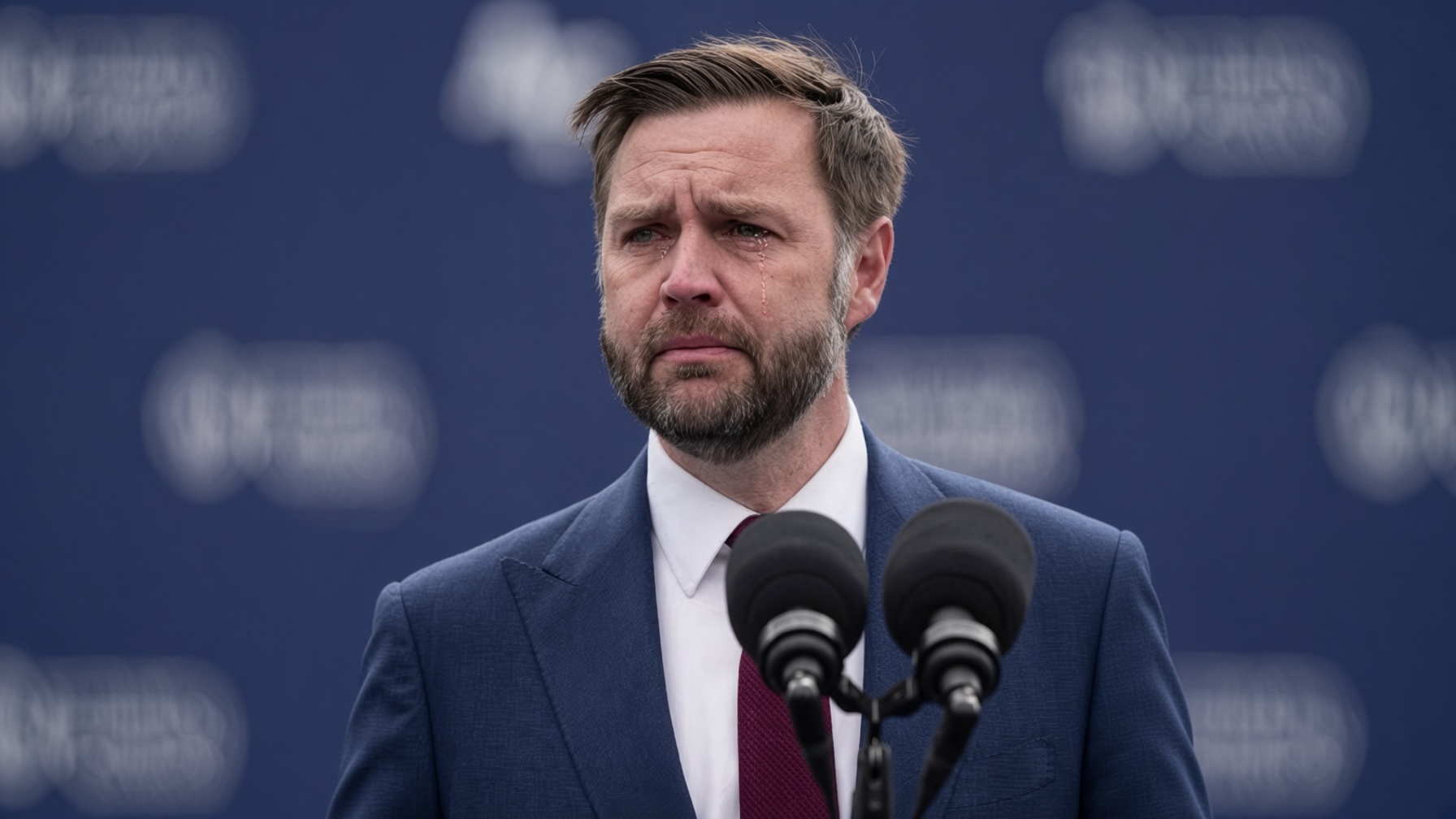
LONDON — Comments by U.S. Vice President JD Vance have triggered a backlash in Britain, with veterans, retired military commanders and politicians accusing him of failing to adequately recognize the sacrifices made by British forces alongside American troops.
Critics pointed to the 636 British service members killed during military operations in Iraq and Afghanistan, arguing that the figure reflects the depth of Britain’s military commitment to the United States and its role as one of Washington’s closest allies.
Former Veterans Minister Johnny Mercer and former SAS soldier Andy McNab were among those who criticized Vance’s remarks, stressing that British troops repeatedly fought alongside U.S. forces during major overseas operations.
Former senior commanders, including Lord West and General Sir Patrick Sanders, also defended the longstanding military relationship between the two nations. They emphasized decades of cooperation, intelligence sharing and joint operations involving British and American forces.
The controversy quickly reached Westminster, where lawmakers from across the political spectrum questioned the tone of Vance’s comments.
Shadow Defence Secretary James Cartlidge described the remarks as disrespectful and highlighted Britain’s substantial contribution to military campaigns conducted alongside the United States. Former Foreign Secretary James Cleverly and other lawmakers likewise called for greater recognition of British military sacrifices.
The dispute comes as Washington and London continue to maintain one of the world’s closest defense partnerships through NATO, intelligence cooperation and joint military planning. British and American officials have repeatedly characterized the alliance as a critical component of their national security.
Prime Minister Keir Starmer also reaffirmed Britain’s pride in its armed forces while stressing the importance of mutual respect between close allies.
Vance later sought to clarify his comments amid the criticism, saying they were not intended as an attack on Britain or France. He explained that his remarks were directed at countries that had not participated in recent combat operations.
Despite the clarification, the episode has reignited debate over the language used by senior officials when discussing allied military contributions.
For British veterans and political leaders, the controversy is ultimately about more than a diplomatic disagreement. They argue that the service and sacrifice of British personnel who fought and died alongside American forces should be recognized as an important part of the countries’ shared military history.
The dispute is unlikely to fundamentally alter the U.S.-UK defense relationship, but it serves as a reminder of how quickly comments from senior leaders can create friction between even the closest allies.