WASHINGTON — A settlement between the United States and Iran is still out of reach as Washington layers military operations, sanctions and pressure on the Strait of Hormuz — the chokepoint that now sits at the center of the fight.
The strait is a main artery for world energy cargoes. Fighting involving U.S. and Iranian forces has driven commercial traffic down. Reuters reported that average daily commodity-ship movements fell to the lowest level since May after attacks on vessels near the waterway.
For months Iran’s grip on traffic through Hormuz has been a tool as well as a target. Washington wants reliable passage. Tehran has used its geography as leverage. Neither side has closed that gap.
Diplomacy has not stopped. Iran and Oman have talked about managing shipping and restoring more predictable traffic. Talks on the wider war and on Iran’s nuclear program are another matter. U.S. Energy Secretary Chris Wright said Sunday that a new nuclear deal looks unlikely under current conditions and described negotiations as stalled. That leaves the larger settlement hanging while force continues.
The economic squeeze has tightened. Reuters reported that a U.S.-led mix of sanctions and a naval blockade has hit Iran’s oil exports and its access to hard currency. Iranian officials and analysts have described shortages of foreign exchange, weaker imports and higher prices. Iran had gone about seven weeks without meaningful crude shipments through Hormuz, Reuters said — a measure of how far the energy sector has been boxed in. Markets outside Iran have felt the uncertainty too.
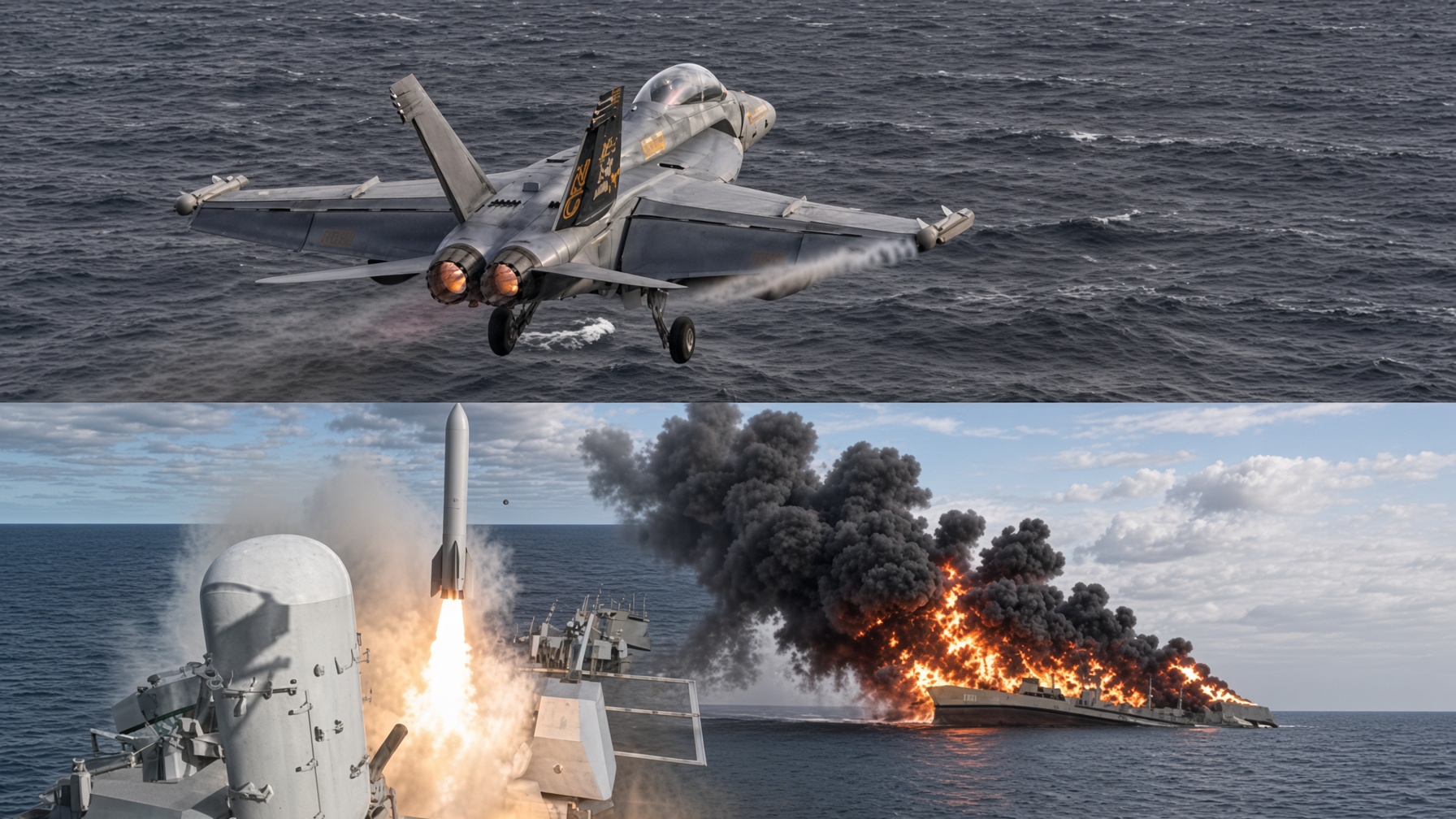
Military exchanges have not eased. U.S. strikes on Iranian targets have drawn Iranian attacks in return. Incidents involving commercial and naval ships near the strait have raised the risk to international shipping and made mediators’ work harder. A wider burst of fighting could cut still more of the region’s energy flow.
There is no confirmed comprehensive deal. The unresolved list is familiar: the nuclear program, sanctions relief, maritime security and the rules for Hormuz. Until those pieces move together, the path to a durable settlement stays narrow — and the strait remains both a market problem and a battlefield.