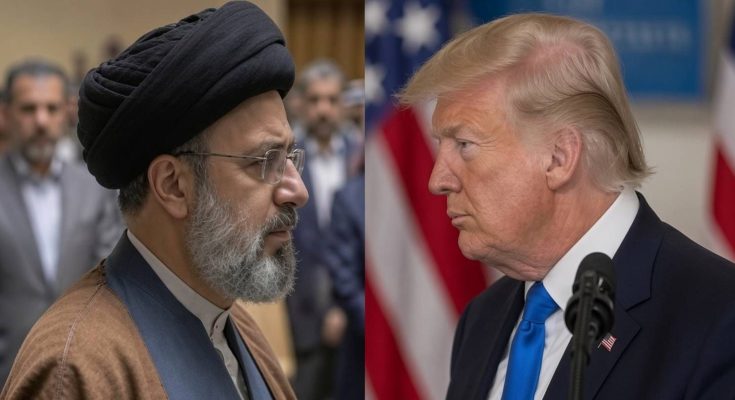
DOHA / WASHINGTON — The Trump administration is working to finalize a preliminary diplomatic framework aimed at resolving the escalating standoff with Iran, as high-stakes, indirect negotiations continue through intermediaries in Qatar, according to senior U.S. and regional officials.
The diplomatic push unfolds against a volatile security backdrop. Even as envoys traded proposals in Doha, U.S. Central Command confirmed it launched targeted “self-defense strikes” against missile infrastructure and naval assets near Bandar Abbas in southern Iran. Defense officials stated the operations neutralized immediate threats to maritime transit and countered Iranian attempts to lay naval mines across critical corridors linking the Gulf of Oman and the Arabian Sea.
Despite the tactical friction, negotiators have reached preliminary understandings on core strategic priorities, moving closer to what U.S. officials describe as a comprehensive, enforceable settlement.
Core Terms of the Proposed Settlement
Under the evolving architecture of the agreement, both nations would commit to reciprocal concessions designed to de-escalate regional hostilities and halt Iran’s nuclear advancement:
-
Strait of Hormuz Reopening: Immediate, unrestricted commercial access would be restored to the vital maritime chokepoint, through which a significant portion of the world’s petroleum flows.
-
Elimination of Enriched Stockpiles: Tehran would be required to forfeit or neutralize its existing reserves of highly enriched uranium and submit to hard caps on future enrichment activities.
-
Verification and Oversight: Stringent, long-term inspection protocols would be established to monitor compliance, exceeding the oversight provisions of prior accords.
-
Blockade and Sanctions Relief: In exchange, the United States would terminate its active naval blockade operations and initiate a phased, conditional rollback of targeted economic sanctions.
Dual-Track Strategy: Coercion and Diplomacy
Speaking during a diplomatic mission to India, Secretary of State Marco Rubio emphasized that reopening the maritime corridor remains non-negotiable, labeling the disruption of the Strait of Hormuz “unlawful, illegal, unsustainable for the world, and unacceptable.”
Rubio confirmed that negotiators in Doha are actively refining the legal phrasing of an interim accord. Reaffirming the White House’s posture, he underscored that President Donald Trump intends to accept only “a good deal or no deal,” signaling that Washington is prepared to prolong talks until binding enforcement provisions are secured.
President Trump has maintained that any resolution must fundamentally rectify what he termed structural flaws in the 2015 Joint Comprehensive Plan of Action (JCPOA). According to administration officials, the emerging framework seeks permanent barriers against weapons-grade enrichment rather than time-bound sunset clauses, reflecting the belief that recent military pressure has created necessary leverage.
Tehran has acknowledged incremental progress while maintaining a guarded posture. Iranian Foreign Ministry spokesperson Esmaeil Baqaei confirmed that mutual understanding had been reached on several technical provisions, though he cautioned that a final consensus remains elusive and criticized Washington for shifting its baseline demands.
Negotiating teams in Doha are scheduled to continue technical deliberations throughout the week, focusing on sequencing, international verification mechanisms, and dispute-resolution protocols.