A proposed restructuring of the commercial side of the FIFA World Cup has sparked significant controversy, with reports of opposition from several soccer organizations and growing debate over the role of private investment in the world’s most popular sporting event.
According to reports, FIFA President Gianni Infantino explored a proposal to sell a minority stake in certain World Cup commercial operations to outside investors through a newly created business entity. The plan reportedly valued the venture at approximately $20 billion and was intended to attract private capital to expand FIFA’s commercial activities.
Media reports also suggested that an investment group connected to Joshua Kushner, founder of Thrive Capital and the brother of Jared Kushner, was among those interested in participating. Those reports fueled political criticism because of Jared Kushner’s family relationship with President Donald Trump, although no evidence has publicly established that Trump directed or participated in the investment proposal.
Critics argued that the reported investment structure risked creating the appearance of political favoritism and raised broader questions about whether commercial interests should play a greater role in managing the World Cup. Supporters of the concept, however, viewed private investment as a way to strengthen FIFA’s long-term financial position and increase revenue opportunities.
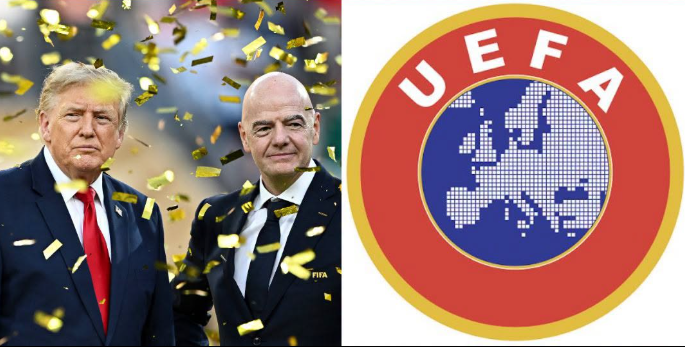
As news of the proposal spread, reports indicated that several soccer federations voiced serious concerns. Among the reported objections were fears that outside investors could gain excessive influence over one of the world’s premier sporting competitions. Some reports claimed European soccer officials discussed potential responses if the proposal moved forward, although the extent of any coordinated action has been the subject of differing accounts.
Facing mounting criticism, FIFA ultimately decided not to proceed with the reported investment plan. According to individuals familiar with the discussions, concerns about public perception and resistance from member associations contributed to the decision to abandon the proposal.
The episode has highlighted the ongoing tension between expanding commercial opportunities and preserving the traditional governance structure of international soccer. While FIFA continues to pursue new revenue sources, many national federations have emphasized that decisions affecting the World Cup should prioritize the integrity of the competition and the interests of participating nations and supporters.
The reported collapse of the proposal also became a political flashpoint in the United States, with critics arguing that even the appearance of connections between major sporting events and politically connected investors deserved close scrutiny. Others countered that the reporting overstated those connections and cautioned against drawing conclusions without additional verified evidence.
As discussions continue over the future of FIFA’s commercial strategy, the World Cup remains the centerpiece of international soccer and one of the most watched sporting events in the world. Whether similar investment proposals emerge in the future remains to be seen, but the debate has underscored the challenges FIFA faces as it balances commercial growth with maintaining public trust in the tournament.