WASHINGTON — Senate Judiciary Committee Chairman Chuck Grassley moved quickly to demand answers from the Secret Service after an armed man breached security and fired a weapon near the White House Correspondents’ Dinner, an incident that forced the evacuation of the president and top administration officials.
The annual dinner, held April 25, 2026, at the Washington Hilton, was thrown into chaos when 31-year-old Cole Tomas Allen of Torrance, California, allegedly charged through a security checkpoint outside the ballroom. Authorities say Allen was armed with a shotgun, a handgun, and multiple knives. He fired at least one shot that struck a Secret Service agent in the protective vest before being tackled and arrested by law enforcement.
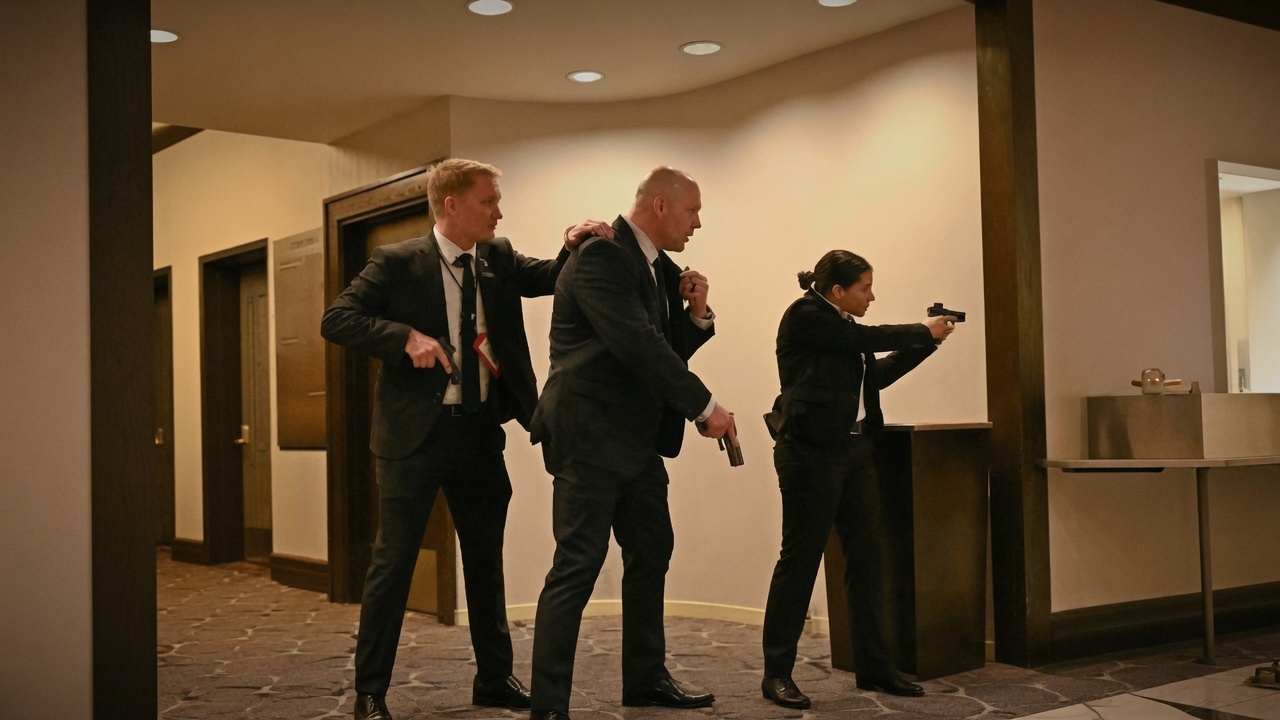
President Donald Trump, Vice President JD Vance, Cabinet members, and more than 2,000 guests were inside the venue at the time. Secret Service agents rapidly escorted the president and other senior officials from the dais as the room was cleared. The event was canceled for the evening and later rescheduled for July 24 at a different location under significantly tighter security measures.
In the immediate aftermath, Grassley announced he was arranging a formal briefing with Secret Service leadership and Ranking Member Dick Durbin. In a post on X, Grassley wrote that the session would examine “security protocols & related law enforcement matters involving the WH Correspondents Dinner.” He also publicly thanked the agents for their rapid response.
The committee’s request reflected broader bipartisan concern on Capitol Hill. Lawmakers from both parties pressed for detailed explanations of how a hotel guest was able to approach the event with multiple weapons and how the multi-layered security perimeter functioned under pressure. Questions focused on whether the Correspondents’ Dinner had received the highest available security designation, the effectiveness of magnetometers and outer checkpoints, and coordination between the Secret Service, local police, and hotel staff.
Officials later confirmed that Allen had checked into the Washington Hilton and used that access to reach the outer security line. Video released by the Justice Department showed the moment he rushed past agents near the screening area. Prosecutors charged him with attempting to assassinate the president and assaulting a federal officer with a deadly weapon. Allen has pleaded not guilty and remains in custody.
The incident marked another serious security challenge involving the president and prompted internal reviews at the White House and the Department of Homeland Security. White House Chief of Staff Susie Wiles convened meetings with Secret Service and DHS officials in the days that followed to examine protocols for large public events. When the dinner was eventually held in July, organizers implemented stricter ticket controls, enhanced screening, and a more restricted venue footprint.
As of early August 2026, the Senate Judiciary Committee has shifted much of its attention to the confirmation process for Acting Attorney General Todd Blanche. No public hearing dedicated solely to the April breach has been scheduled in recent weeks. However, Grassley’s early call for a briefing underscored the committee’s oversight role over federal law enforcement agencies, including the Secret Service, which falls under the Department of Homeland Security.
The episode continues to raise questions about protective measures at high-profile gatherings that bring together the nation’s top political leaders and the press corps that covers them. For now, the formal congressional review that Grassley initiated remains one of the primary institutional responses to the security failure that briefly turned a traditional media gala into a scene of armed chaos.