🏛️ Federal Law Enforcement Surge in Washington Ignites Clashes Over Crime and Home Rule
WASHINGTON — An expanded federal law enforcement surge across the nation’s capital has ignited an intense national debate, pitting the White House’s aggressive public safety mandate against mounting concerns over civil liberties, local autonomy, and neighborhood oversight.
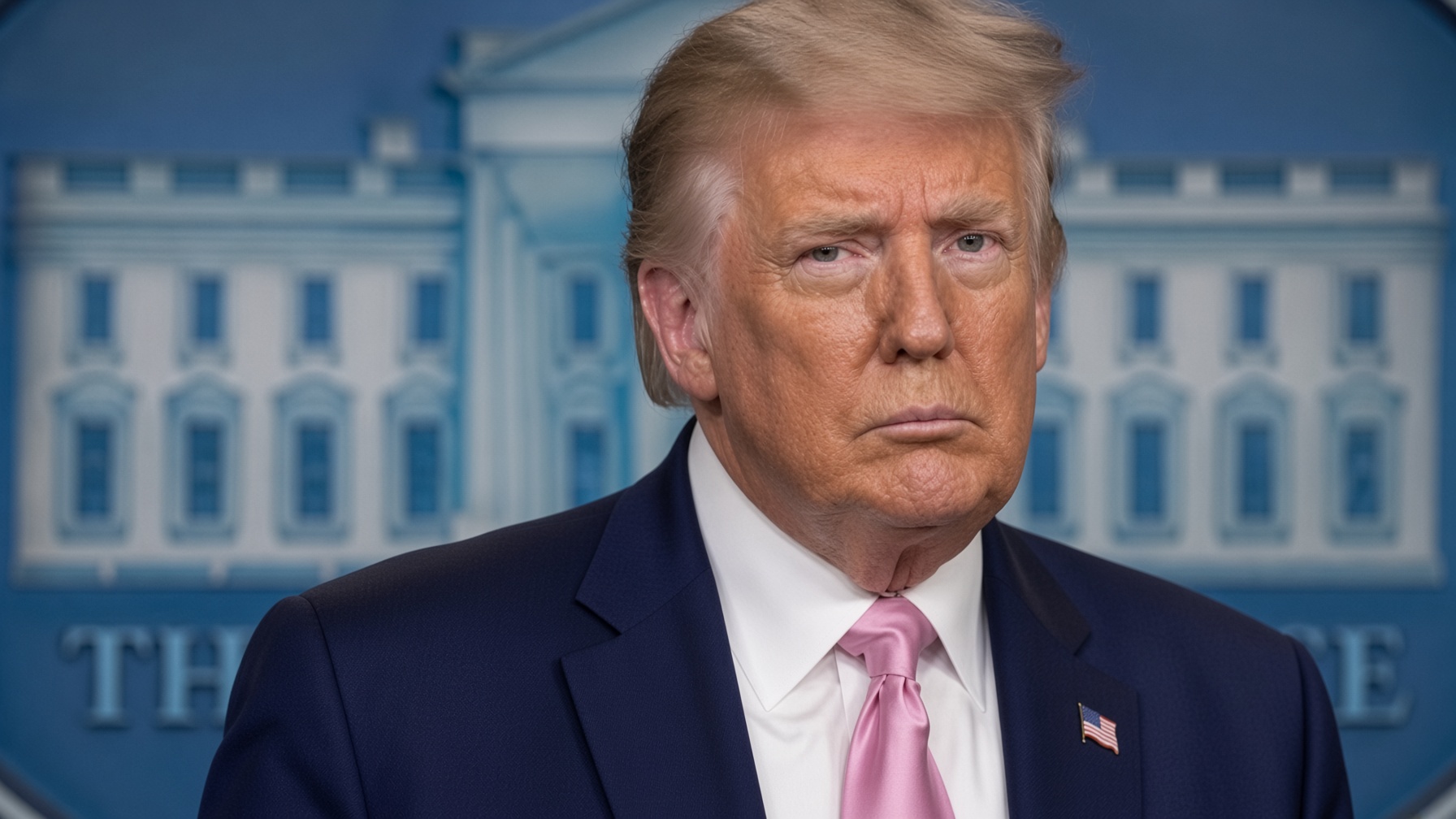
The initiative, launched under directives from President Donald Trump, mobilizes personnel from multiple federal agencies to augment street-level policing in the District. Administration officials describe the deployment as an urgent intervention designed to suppress violent crime, disrupt criminal networks, and streamline interagency coordination across the federal district.
Tangible Deterrence vs. Heightened Apprehension
Across several business corridors and transit nodes, the heightened presence of federal agents has drawn praise from residents and local merchants weary of safety issues. Advocates of the initiative point to stepped-up patrols and increased enforcement as decisive measures necessary to restore street-level order after years of persistent public safety challenges.
“Seeing routine visibility on corners that were previously neglected provides a real sense of deterrence,” said one downtown business liaison, arguing the intervention sends an unmistakable signal to repeat offenders.
Conversely, civil rights organizations and neighborhood advocates warn that deploying non-local federal entities to conduct domestic municipal policing creates profound risks. Community groups report rising anxiety among immigrant neighborhoods and vulnerable populations, who fear blurred jurisdictional boundaries and aggressive enforcement tactics.
Critics emphasize several core operational friction points:
-
Accountability Gaps: Federal personnel operate under distinct procedural and transparency standards compared to local municipal police forces.
-
Coordination Deficits: Unclear demarcation lines between federal strike teams and the Metropolitan Police Department have confused community liaisons seeking incident accountability.
-
Erosion of Community Trust: Decades of neighborhood-oriented community policing strategies risk displacement by tactical, short-term federal enforcement units.
The Constitutional Fault Lines of District Governance
Beyond neighborhood dynamics, the deployment has thrust Washington’s unique constitutional framework back into the national spotlight. Under the U.S. Constitution, Congress holds ultimate legislative authority over the District of Columbia, leaving its local Home Rule government vulnerable to federal preemption in ways standard states never experience.
Legal scholars note that the surge tests the boundaries of local self-determination. While municipal officials have traditionally negotiated shared responsibilities with federal authorities for high-profile events and federal property protection, unilateral federal surges into residential neighborhoods bypass the District’s elected leadership.
District autonomy advocates contend that treating Washington as an open sandbox for federal police operations disenfranchises its more than 700,000 residents, revitalizing calls for greater statutory protections against federal overreach.
The Broader Civic Stakes
As federal units maintain their presence across key thoroughfares, the standoff has broadened from a dispute over municipal crime rates into a fundamental philosophical struggle over governance. With city leaders and civil rights attorneys reviewing oversight options, Washington has once again become ground zero for defining the delicate balance between robust public order and constitutional protections for local self-governance.