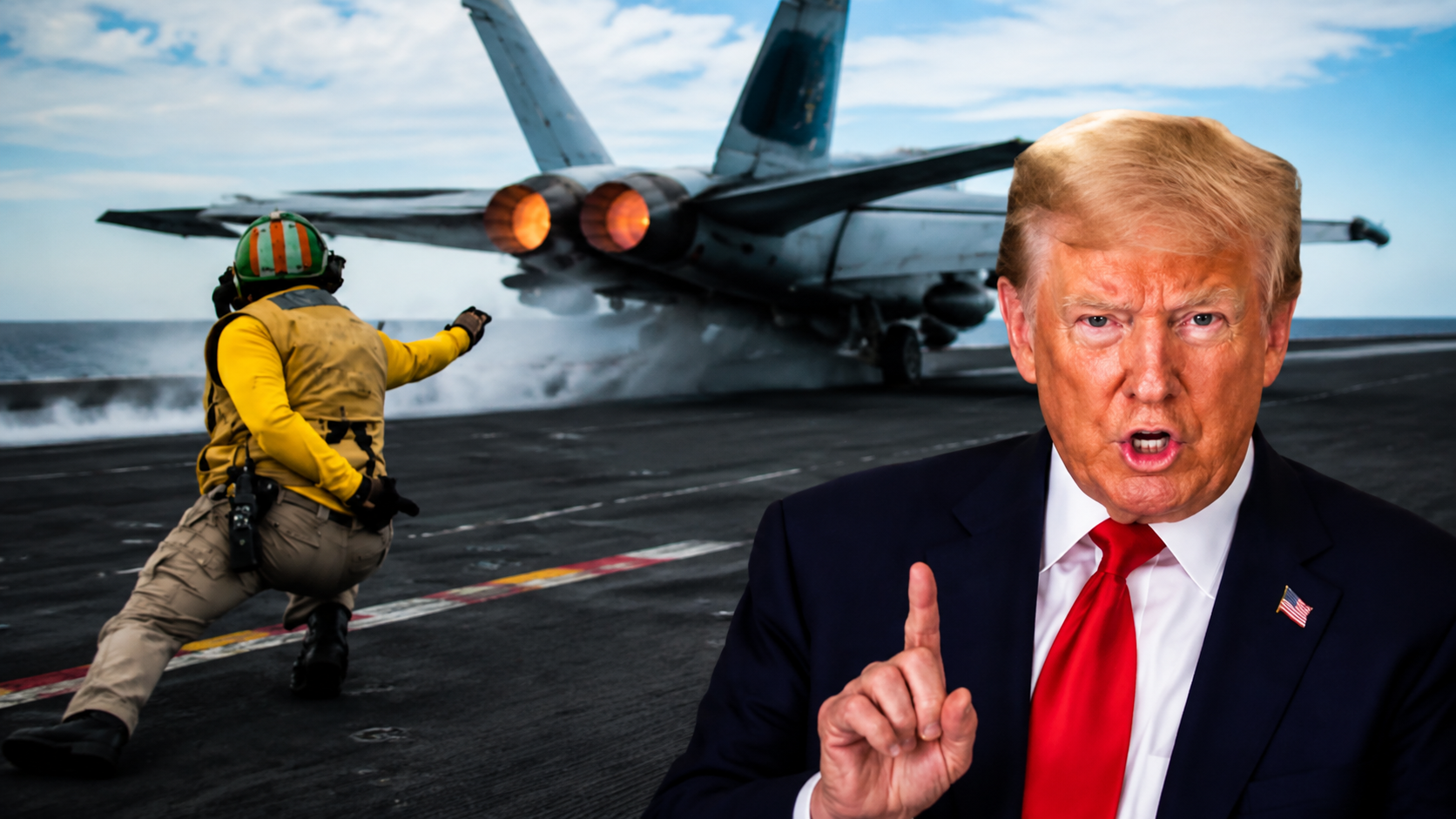
A major diplomatic breakthrough may be on the horizon as reports indicate that the United States and Iran are nearing a historic peace agreement following weeks of intense negotiations involving several key Middle Eastern allies. While officials caution that the deal has not yet been finalized, multiple reports suggest the framework has been largely completed, with only the remaining details awaiting approval from both governments.
According to statements released Saturday, President Donald Trump held a series of high-level conversations with influential leaders throughout the Middle East in what administration officials described as a productive effort to advance regional stability.
Among those participating in the discussions were Saudi Crown Prince Mohammed bin Salman, UAE President Mohammed bin Zayed Al Nahyan, Qatar’s Emir Sheikh Tamim bin Hamad Al Thani, Pakistan’s Field Marshal Syed Asim Munir, Turkish President Recep Tayyip Erdoğan, Egyptian President Abdel Fattah el-Sisi, Jordan’s King Abdullah II, Bahrain’s King Hamad bin Isa Al Khalifa, and other senior regional officials.
Following the conversations, President Trump announced that the leaders discussed a Memorandum of Understanding centered on peace and regional security. He stated that an agreement has been “largely negotiated,” pending final approval by the United States, Iran, and the participating nations.
Trump also revealed that he spoke separately with Israeli Prime Minister Benjamin Netanyahu, describing that conversation as positive while emphasizing that the final components of the proposed agreement remain under discussion.
One of the most significant reported elements of the developing agreement involves the Strait of Hormuz, one of the world’s most strategically important shipping lanes. Trump indicated that the waterway would be reopened as part of the broader arrangement, a move that could ease concerns over global energy markets if implemented.
Meanwhile, The Washington Times reported Saturday that negotiators have already completed a draft proposal and that a formal announcement could come as early as Sunday, citing a source familiar with the talks. According to the report, senior negotiators from both sides have reviewed and approved the draft before forwarding it to their respective national leaders for final consideration.
The report states that those involved in the negotiations include Iranian Parliament Speaker Mohammad Bagher Ghalibaf, Vice President JD Vance, Special Envoy Steve Witkoff, and presidential adviser Jared Kushner. However, these claims have not been independently verified.
If finalized, the agreement would represent one of the most significant diplomatic developments in the Middle East in years. It could replace what has reportedly been a fragile temporary truce with a more durable framework aimed at reducing military tensions throughout the region.
The potential economic implications are also drawing considerable attention. Any lasting reduction in conflict involving Iran could help stabilize global oil supplies, particularly if commercial traffic through the Strait of Hormuz resumes without disruption. Energy analysts have long warned that instability in the region can contribute to higher oil prices, which often translate into increased gasoline costs for consumers.
Despite the optimism surrounding the reports, the proposed agreement has not yet received final approval, and negotiations remain ongoing. Until official announcements are made by the governments involved, key provisions of the reported deal could still change.
For now, officials and observers alike are watching closely as what could become a landmark diplomatic agreement approaches its final stage. If successfully concluded, the deal has the potential to reshape regional security, influence global energy markets, and mark a significant moment in U.S.–Iran relations.