NEW DELHI / TAMPA — Secretary of State Marco Rubio said the Strait of Hormuz will be reopened “one way or the other,” calling Iran’s disruption of the waterway “unlawful, illegal, unsustainable for the world” and “unacceptable.”
Speaking during a trip to India, Rubio said talks in Qatar were still hung up on “specific language in the initial document” and would take a few more days. President Donald Trump, he added, would accept “a good deal or no deal.”
U.S. Central Command said American forces carried out “self-defense strikes” in southern Iran to protect U.S. troops from threats posed by Iranian forces. Capt. Tim Hawkins said targets included missile launch sites and boats attempting to lay mines. He declined to name the ships that came under fire or give precise strike coordinates.
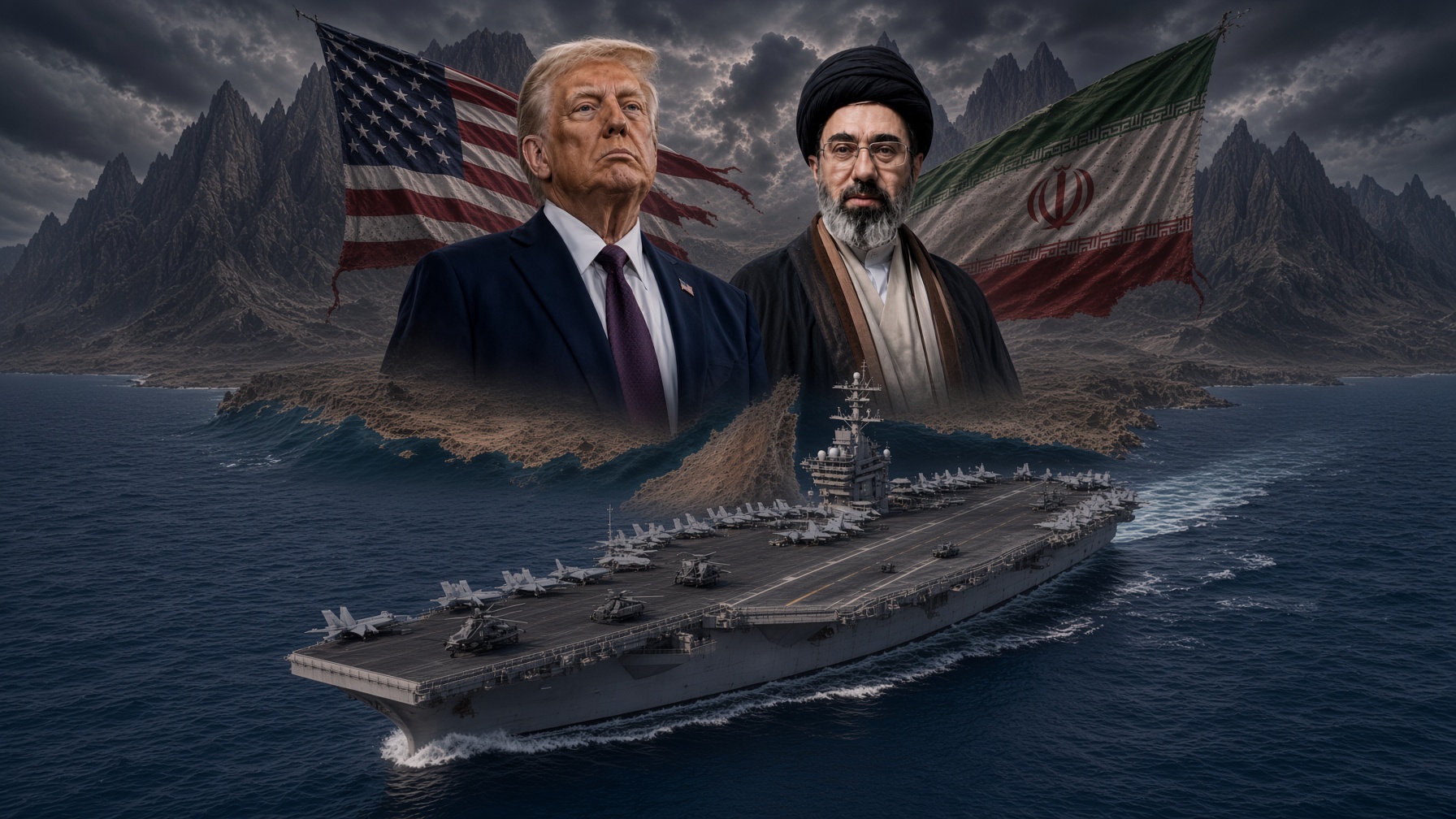
A senior U.S. official said some of the dozens of American warplanes and nearly two dozen Navy ships — including two aircraft carriers enforcing a blockade of vessels seeking to enter or leave Iranian ports in the Gulf of Oman and Arabian Sea — had been threatened by Iranian surface-to-air missiles. The official placed some of the U.S. strikes near the port and navy base at Bandar Abbas.
CENTCOM said it was “using restraint during the ongoing cease-fire.” Clashes have continued in other forms since a cease-fire took effect about six weeks earlier.
**Talks, and what a deal would require**
The strikes came as Iranian officials gathered in Qatar for negotiations aimed at ending the war. Foreign Ministry spokesman Esmaeil Baqaei said Tehran and Washington had reached understandings on “a large portion of the issues” but that a signed agreement was not imminent. He accused Washington of shifting positions.
Trump said any deal would be “good and proper,” contrasting it with the Obama-era nuclear accord, which he said gave Iran cash and a path to a weapon. A senior administration official said Iran had agreed in principle to give up highly enriched uranium, reopen Hormuz in exchange for an end to the U.S. blockade, and accept limits on enrichment in return for sanctions relief. Enforcement, the official said, matters more than whether a pledge runs 20 or 30 years.
The official described Tehran as more open to a bargain than before the military campaign and said a final text would go further than the 2015 deal, which allowed limited enrichment. Both sides cautioned that drafting is unfinished and that no one should treat an announcement as imminent until the language is locked and Hormuz is actually open.