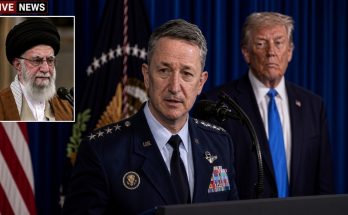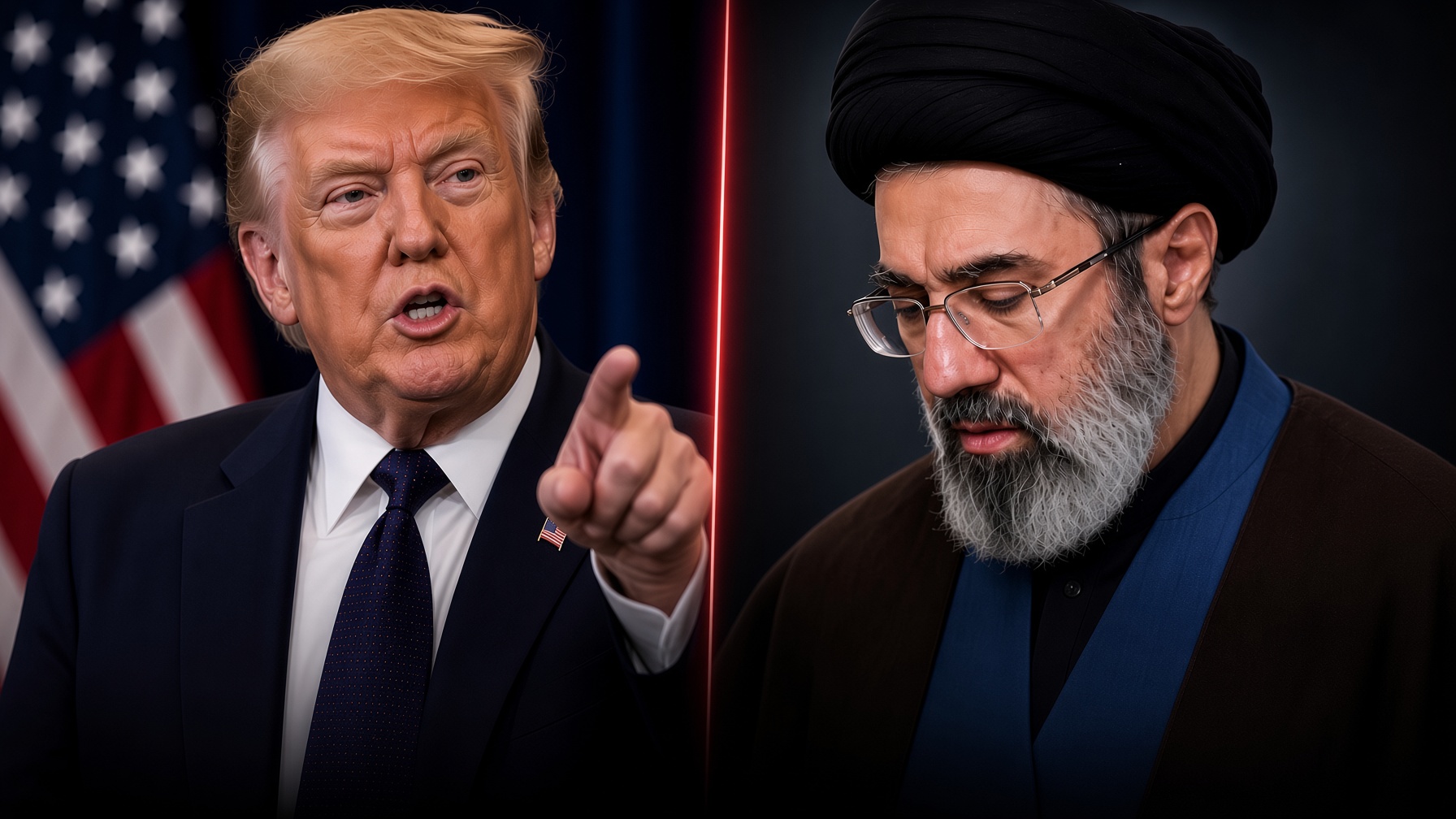
WASHINGTON — President Donald Trump is signaling a firm stance toward Iran, declaring that the United States will not remain passive in the face of what he and his allies describe as Iranian threats and provocations, including those affecting the strategically vital Strait of Hormuz.
In recent remarks and statements, Trump has emphasized that American interests and global energy security will be protected. The message to Tehran, according to supporters of the administration’s approach, is unambiguous: the United States will not be intimidated.
For decades, successive U.S. administrations and Western governments have accused Iran’s leadership of supporting militant groups across the Middle East, threatening commercial shipping, and contributing to regional instability. These longstanding charges form the backdrop for the current posture. The Strait of Hormuz, through which a significant share of the world’s oil supply passes, remains a particular point of concern. Any disruption there carries immediate implications for global energy markets and maritime commerce.
Administration allies argue that safeguarding freedom of navigation and protecting critical energy routes require a credible demonstration of American power. They contend that a posture of strength is the most effective way to deter aggression before it escalates into direct threats against U.S. interests or international shipping lanes.
Trump and his supporters have framed the policy as a return to the principle of “peace through strength.” Under this approach, the projection of military and diplomatic resolve is intended to discourage adversaries from testing American resolve. Proponents say history has shown that weakness or hesitation can invite further challenges, while a clear willingness to respond can stabilize tense situations without requiring actual conflict.
The administration’s position comes amid persistent tensions between Washington and Tehran. Iranian officials have repeatedly rejected Western characterizations of their regional activities, while U.S. officials continue to cite intelligence and open-source evidence of Iranian support for proxy forces and disruptive actions at sea. The Strait of Hormuz has featured in previous confrontations, with both sides monitoring naval movements and issuing warnings about the consequences of interference with commercial traffic.
Supporters of the hard-line approach maintain that the stakes extend beyond the immediate region. Global energy markets remain sensitive to any perceived threat to Middle Eastern shipping routes. A strong American signal, they argue, reassures allies and commercial operators that the United States remains committed to keeping those routes open.
Critics of maximalist pressure strategies have long cautioned that escalatory rhetoric can raise the risk of miscalculation. The administration, however, has rejected that assessment, insisting that clarity and strength reduce the likelihood of conflict by removing any ambiguity about U.S. intentions.
As the policy takes shape, attention is focused on whether the tougher public line will be matched by concrete measures in the diplomatic, economic, or military domains. For now, the White House has made clear that it views restraint in the face of Iranian pressure as inconsistent with American interests.
Trump’s message remains straightforward: the United States will not yield to intimidation, and it intends to defend both its own security priorities and the broader principle of free navigation in one of the world’s most critical waterways.