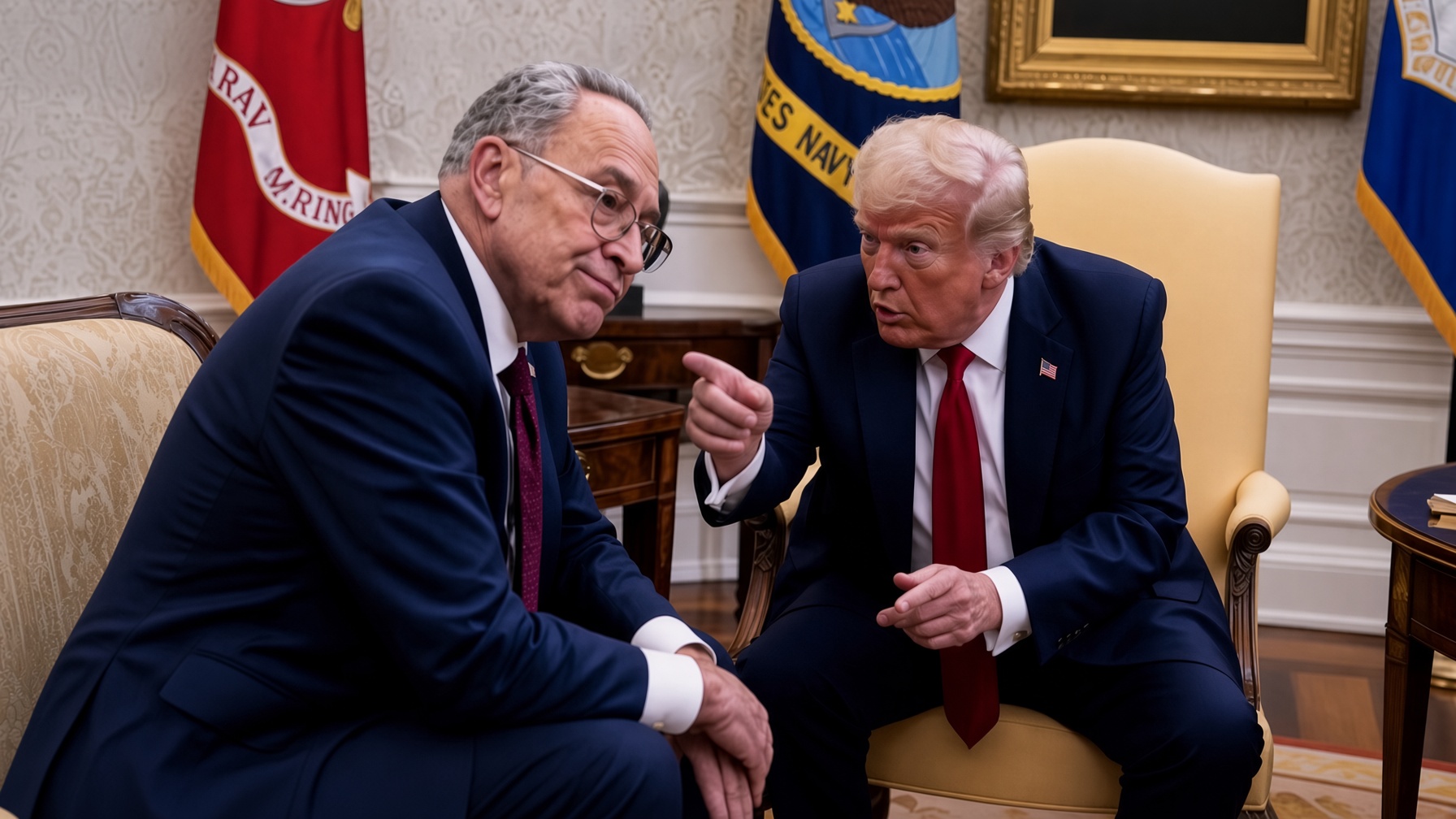
**A decisive Senate vote rejected an effort led by Sen. Bernie Sanders to block a major United States arms sale to Israel, producing a 79-18 margin that underscored broad resistance to halting the transfer.**
The result drew attention online, with some viral headlines framing it as a political setback for President Donald Trump. The substance of the vote, however, centered on American military support for Israel, reported civilian harm in Gaza, and the question of whether Congress should exercise its authority to stop specific weapons transfers. Most senators ultimately declined to intervene.
Sanders and the lawmakers who backed the resolutions argued that the scale of destruction and civilian suffering required a policy shift. They cited reports of deaths, damaged hospitals, widespread displacement, and restrictions on food and medical supplies. In their view, continuing to supply offensive weapons without stronger conditions left the United States implicated in how those weapons might be used. The measures were introduced to force a recorded vote and public debate rather than allow the sale to proceed with limited scrutiny.
The proposals took the form of joint resolutions of disapproval. Congress possesses the power to challenge an arms sale notified by the executive branch, though successfully stopping a transfer is difficult. Such a resolution must pass both chambers and remains subject to a presidential veto. Even when defeat is anticipated, sponsors sometimes introduce the measures to place senators on the record and pressure the administration for different conditions or greater transparency.
Opponents of the resolutions stressed Israel’s security needs and the threats it faces from Hamas, Hezbollah, Iran and other armed groups. They argued that withdrawing military support during an active conflict risked weakening a key ally, diminishing deterrence and potentially inviting further attacks. Some senators maintained that concerns about humanitarian conduct should be pursued through diplomacy and ongoing oversight rather than by blocking weapons Israel describes as essential for defense.
The vote therefore reflected two competing perspectives. One side contended that American leverage should be applied immediately because civilian protection and international legal obligations cannot be treated as secondary. The other maintained that the proposed cutoff was overly broad or poorly timed and could endanger Israel without necessarily improving conditions for Palestinians. The lopsided outcome did not resolve the underlying moral questions; it recorded where a clear Senate majority stood on the specific legislative action before it.
The numbers circulating online can mislead when separated from the precise question decided. A 79-18 tally does not indicate that senators voted on whether civilian deaths matter, nor does it mean every member endorsed every military action. It reflects how lawmakers voted on particular resolutions tied to identified arms transfers. Understanding the text of the measures, the weapons involved, the date and the legal effect is essential before assigning broader meaning to the result.
The debate also highlighted divisions within the Democratic coalition and among the wider public. Sanders has repeatedly stated that Israel has a right to defend itself but should not receive unconditional support while civilians experience mass suffering. Other Democrats have expressed similar concerns without voting to block sales. Republicans have generally supported a stronger and less conditional military relationship with Israel.
Arms sales are initiated and managed by the executive branch, while Congress retains funding and oversight authority. Trump has presented himself as a firm supporter of Israel. Critics have pressed successive administrations to demonstrate that American assistance remains consistent with humanitarian obligations. The Senate result strengthened the position of an administration seeking to proceed with the transfer.
For the public, the most reliable approach is to examine the resolution language and the official roll-call vote rather than rely on headlines that reduce the matter to political theater. The vote mattered because it compelled senators to choose between continued arms support and an effort to impose limits. It also ensured that questions of American responsibility, Israeli security and Palestinian civilian welfare remained part of the formal congressional record.