GULF OF OMAN — A U.S. Navy destroyer fired on an Iranian-flagged cargo ship and Marines boarded the vessel after its crew ignored hours of orders to halt, President Donald Trump and U.S. Central Command said, in the first seizure under Washington’s blockade of Iranian ports.
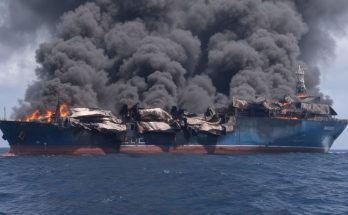
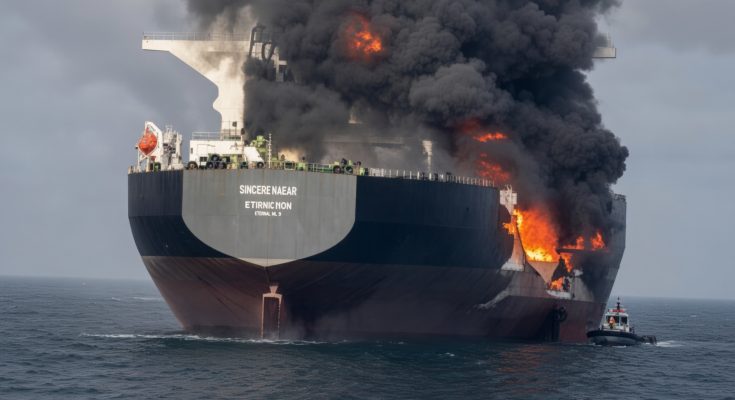
The guided-missile destroyer USS Spruance intercepted the container ship Touska in the northern Arabian Sea as it steamed toward Bandar Abbas, Iran. American forces issued repeated radio warnings over about six hours and told the crew it was violating the U.S. blockade. When the ship did not stop, Spruance ordered the engine room evacuated and fired several rounds from its 5-inch Mk 45 deck gun into the propulsion system, disabling the vessel.
Marines from the 31st Marine Expeditionary Unit then rappelled from helicopters onto the deck and took the ship into U.S. custody. CENTCOM said American forces “acted in a deliberate, professional, and proportional manner to ensure compliance.” It was not immediately clear whether anyone was injured.
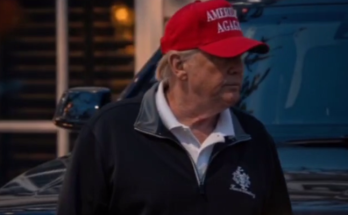
Trump said the Navy “gave them fair warning to stop.” When the crew refused, he said, the destroyer “stopped them right in their tracks by blowing a hole in the engine room.” He added that Touska was already under U.S. Treasury sanctions for prior illegal activity and that Marines were inspecting the cargo.
CENTCOM said 25 other commercial ships had turned around after being hailed since the blockade began. Touska was the first to press on. The ship, nearly 900 feet long, is owned by a Tehran-based company on the U.S. sanctions list. Tracking data showed recent calls in Malaysia and China before the run toward Iran.
The confrontation unfolded near the Strait of Hormuz, the narrow passage that carries a large share of the world’s seaborne oil. Any clash there can jolt energy markets and raise the risk of a wider fight. Iran’s joint military command called the boarding an act of piracy and a ceasefire violation and vowed a response.
Supporters of the administration framed the operation as proof the blockade would be enforced. Critics warned that disabling fire and an armed boarding of a commercial ship could invite retaliation and further disrupt shipping. Officials had not publicly detailed the legal theory of the blockade or what would happen to the crew and cargo.
For now, Touska remains in U.S. hands. The incident underscores how quickly a single encounter in the Gulf of Oman can escalate a standoff that already threatens one of the world’s most vital energy corridors.