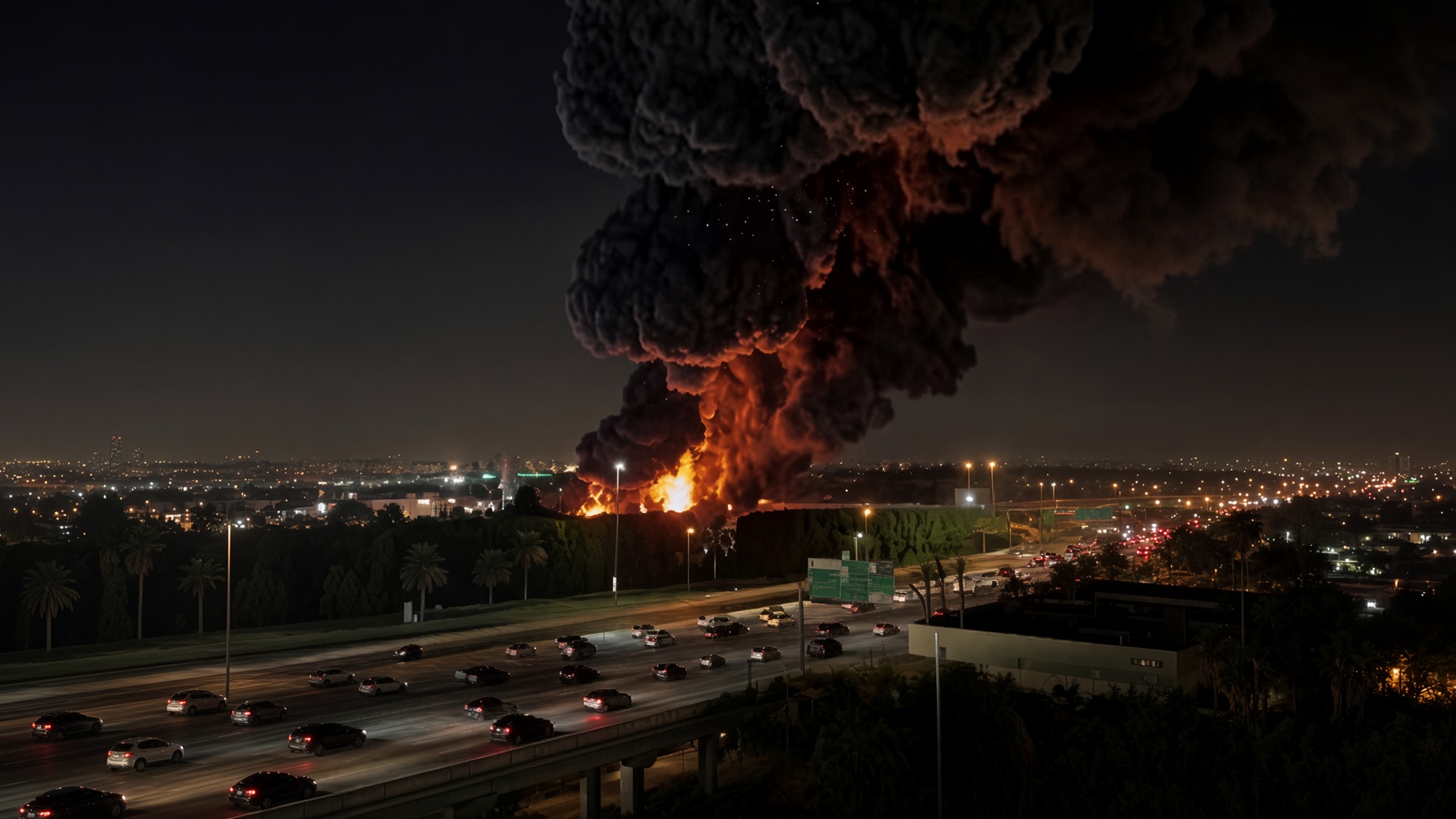
**BEIT SHEMESH, Israel** — An Iranian ballistic missile struck a residential neighborhood in Beit Shemesh on Sunday, killing nine people and injuring 28 others after the warhead hit a synagogue and collapsed it onto a public bomb shelter below.
Israeli authorities said air-raid sirens sounded across the area west of Jerusalem as air-defense systems were activated. Residents rushed toward protected spaces. Emergency medical teams, firefighters, police and search-and-rescue crews arrived at the scene to search damaged buildings and extract people trapped under debris. Two of the wounded were listed in serious condition, two in moderate condition and 24 with lighter injuries. Officials cautioned that the casualty count could change as operations continued.
Jerusalem District Police Chief Avshalom Peled said the missile struck the synagogue directly, causing the structure to pancake onto the shelter underneath. Many of those killed or injured were believed to have been inside the protected space at the moment of impact. Rescue workers moved carefully through unstable wreckage while checking for additional survivors and assessing structural risks.
The strike highlighted the limits of civilian shelters even when residents follow official instructions. Designed to withstand nearby blasts, the facilities can still fail under a direct hit on an overlying building. Officials said the incident occurred amid a widening exchange of missile fire, air-defense intercepts and threats of further retaliation between Israel and Iran.
Israeli emergency services and security forces were placed on heightened alert. Residents in exposed areas were told to stay near protected rooms and follow Home Front Command guidance. The civilian deaths added pressure on Israeli leaders weighing their next military steps, with any additional response carrying the risk of broader regional escalation.
The United States is monitoring the situation closely because of American forces stationed across the Middle East. Washington faces the dual task of backing partners while trying to shield U.S. personnel and contain the fighting.
For families in Beit Shemesh, missile warnings have become a routine terror. The destruction of homes and community buildings showed how quickly a state-level confrontation can reach populated streets. Authorities described the situation as fluid and urged continued vigilance as rescue work at the site went on.
The Beit Shemesh attack stands as another reminder of the human cost as both sides consider their next moves. Further retaliation, officials warn, could produce higher civilian casualties and widen the conflict.