**WASHINGTON — Unverified reports of U.S. troops refusing orders circulate as Iran confrontation flares again**
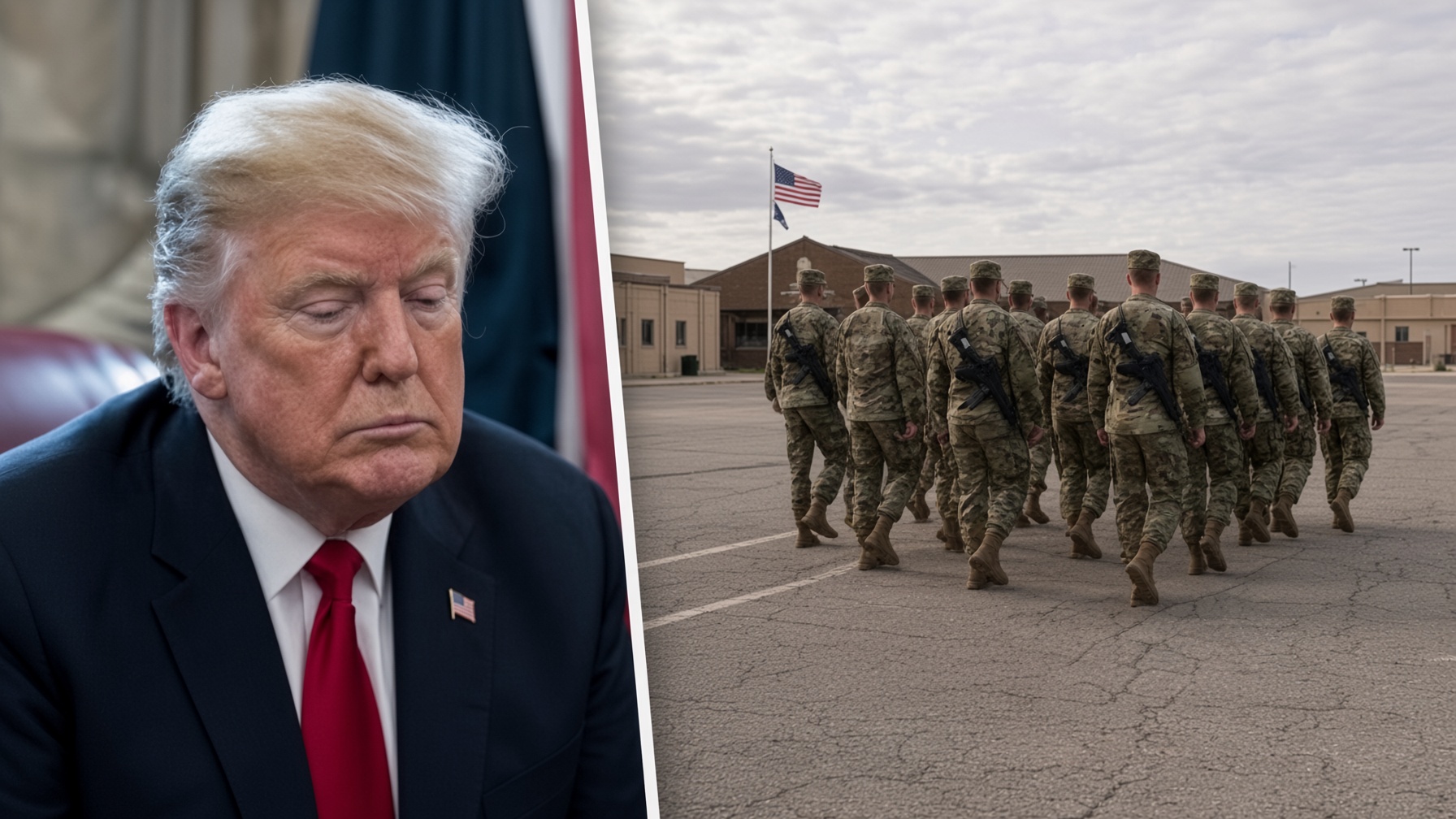
Reports circulating in the early hours about U.S. service members allegedly refusing military duties have fueled speculation about morale inside the American armed forces. Official military authorities have not confirmed the claims, and there is no verified evidence of a large-scale walkout or unit-wide refusal of orders.
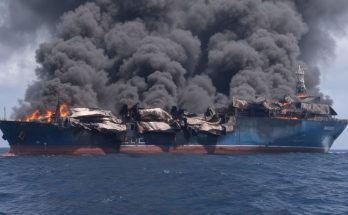
The rumors have surfaced at a sensitive moment. After a month-long lull, the United States and Iran exchanged fire over the weekend. U.S. forces struck launchers on Iran’s Larak Island near the Strait of Hormuz; Tehran answered with missiles aimed at U.S. bases in Jordan. President Donald Trump vowed to “hit them hard.” Diplomats and markets are watching whether the clash stays limited or widens again.
Fact-checks earlier this year found no reputable evidence that troops were openly defying deployment orders en masse. What has been documented is a rise in conscientious-objector inquiries and, separately, senior commanders warning that extended Iran deployments strain other theaters. Those are not the same as a confirmed mutiny or mass walkout.
**Infrastructure and the law**
The controversy is also fed by rhetoric about possible strikes on Iranian infrastructure — power plants, transport links and bridges. Legal specialists and humanitarian groups say deliberately hitting objects that serve civilians would raise serious questions under international humanitarian law, which requires distinction between military and civilian objects, proportionality and precautions to limit civilian harm.
Supporters of a harder line argue sustained pressure is needed to deter Tehran and keep the Strait of Hormuz open. Critics say attacks on civilian-serving infrastructure can worsen humanitarian conditions, complicate diplomacy and invite retaliation that is hard to contain.
**Oversight and the end state**
Some lawmakers worry operations can outrun congressional authority. Sen. Chris Van Hollen and others have pressed for clearer objectives and have backed war-powers measures aimed at reasserting Congress’s role. At the core is a familiar question: What is the goal, and what happens after the next strike? Analysts warn that without a defined end state, a limited campaign can expand through retaliation, attacks on U.S. personnel, shipping disruptions and pressure for further force.
Iran has often absorbed pressure while holding to core aims. Strikes can strengthen hard-liners and shrink room for talks. Any prolonged disruption of Hormuz would hit energy markets and shipping far beyond the region.
Back-channel contacts remain one of the few off-ramps, but mistrust over nuclear issues, regional influence and security guarantees is deep. The immediate risk is miscalculation — a threat misread, an attack misattributed, a response that exceeds what the other side expected.
For now, alleged refusals of duty remain unverified. The larger argument over U.S. strategy toward Iran is intensifying as both capitals decide whether this latest exchange stays contained.