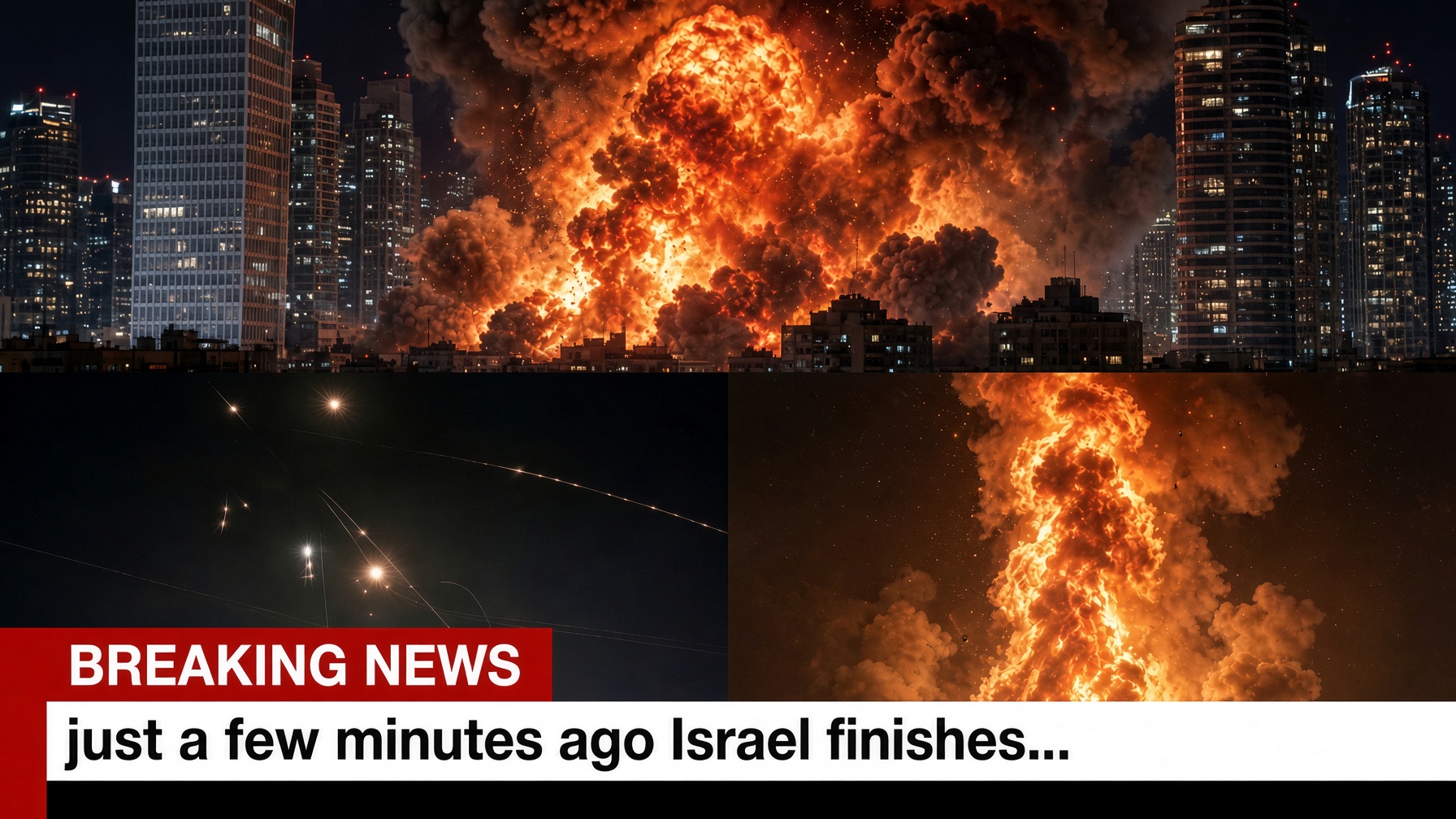
JERUSALEM — Israel has increased its security readiness as renewed tensions across the Middle East fuel concerns about potential threats and the possibility of broader regional instability.
Israeli officials confirmed that military and security agencies have strengthened defensive measures, describing the actions as precautionary steps aimed at protecting civilians and ensuring national preparedness. Authorities have provided few details about specific threats, but the heightened posture reflects growing concern over the rapidly evolving security environment.
The measures reportedly include intensified intelligence gathering, expanded surveillance operations and closer coordination among military, police and emergency-response agencies. Air-defense systems have also been placed on elevated alert, while civil-defense authorities have urged residents to remain attentive to official guidance and follow safety instructions if conditions change.
The developments come as the Middle East faces a period of heightened uncertainty marked by overlapping conflicts, political disputes and competing strategic interests. Israel’s location near several active areas of instability has long required its security institutions to maintain a high level of readiness.
Analysts note that threats can be difficult to evaluate during the early stages of a crisis, particularly in a region involving multiple state and non-state actors with shifting alliances and competing objectives. Even limited incidents can quickly escalate if retaliatory actions lead to wider confrontation.
Israeli officials therefore face the challenge of maintaining strong defensive measures while also avoiding actions that could unintentionally increase regional tensions.
Alongside military preparations, diplomatic engagement remains an important part of Israel’s approach. Coordination with allies and international partners can strengthen intelligence sharing, improve defensive planning and reduce the risk of misunderstandings during periods of heightened tension.
International organizations, including the United Nations, have repeatedly called for restraint and emphasized the importance of protecting civilians and preventing localized conflicts from expanding into broader regional crises.
For many Israelis, increased security measures can have immediate effects on daily life. Schools, businesses, transportation networks and travel plans may be affected, while uncertainty can contribute to public anxiety, particularly in communities near potential flashpoints.
Israeli authorities continue to closely monitor developments across the region while assessing military readiness, defensive deployments and intelligence reports. Officials are also watching events in neighboring countries for signs that could alter Israel’s security posture.
While the situation remains fluid, diplomats and security experts say continued communication, careful crisis management and international cooperation could help reduce the risk of further escalation.
For now, Israeli leaders are emphasizing vigilance, preparedness and public awareness as the country navigates one of the region’s most uncertain security environments.