WASHINGTON — The confrontation between the United States and Iran has entered a dangerous new phase after U.S. forces reportedly struck three Iranian oil tankers following ballistic-missile attacks targeting American naval vessels in the region.
U.S. Central Command said American forces came under multiple attacks launched by Iran’s Islamic Revolutionary Guard Corps. According to CENTCOM, an American aircraft carrier and guided-missile destroyer successfully evaded the incoming missiles, and no U.S. personnel were injured.
The strikes that followed marked a significant escalation, extending the conflict beyond military targets and directly hitting vessels tied by Washington to Iran’s oil-export network.
Three Tankers Hit
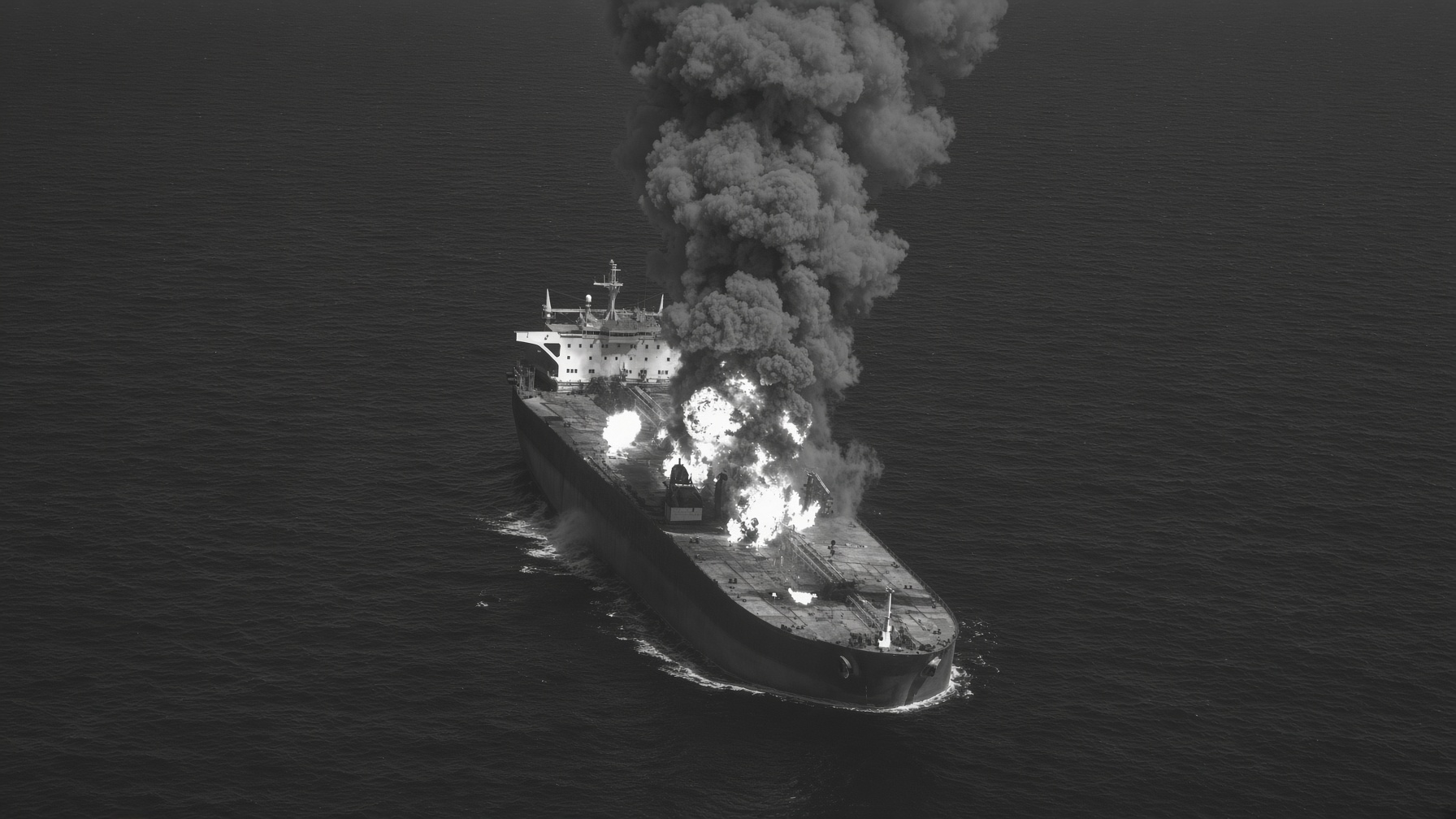
CENTCOM said U.S. forces targeted three Iranian crude-oil carriers. Two were reportedly left permanently disabled, while a third vessel, which was not carrying cargo, was destroyed.
The U.S. military said the ships were associated with a “shadow” network allegedly used to generate revenue for Iran’s IRGC and armed groups aligned with Tehran.
One tanker was reportedly struck near Kharg Island, a major hub for Iranian oil exports. Additional strikes were reported in strategic waters near Iran.
The attacks could put further pressure on Tehran’s ability to move crude internationally while sending a broader warning to networks involved in financing Iran’s military and regional operations.
Washington Warns of More Action
CENTCOM Commander Adm. Brad Cooper said U.S. forces would continue defending American personnel and assets against Iranian attacks. He also warned that additional strikes could follow if Tehran continues targeting U.S. forces.
Iran, however, has rejected Washington’s characterization of the attacks as legitimate retaliation. Iranian state media later reported that Tehran had responded by targeting American vessels and oil tankers, although those claims had not been independently verified at the time of reporting.
Global Energy Concerns Grow
The latest exchange is raising fresh concerns about security across the Persian Gulf and surrounding shipping lanes.
The Strait of Hormuz, one of the world’s most important energy corridors, carries a substantial share of global oil shipments. Any prolonged disruption could send shock waves through international energy markets, potentially driving up oil prices and increasing pressure on global supply chains.
With military and commercial targets now increasingly drawn into the confrontation, the risk of a wider regional conflict is growing.
For Washington and Tehran, the latest strikes underscore how quickly the conflict is expanding — and how costly the next escalation could become.