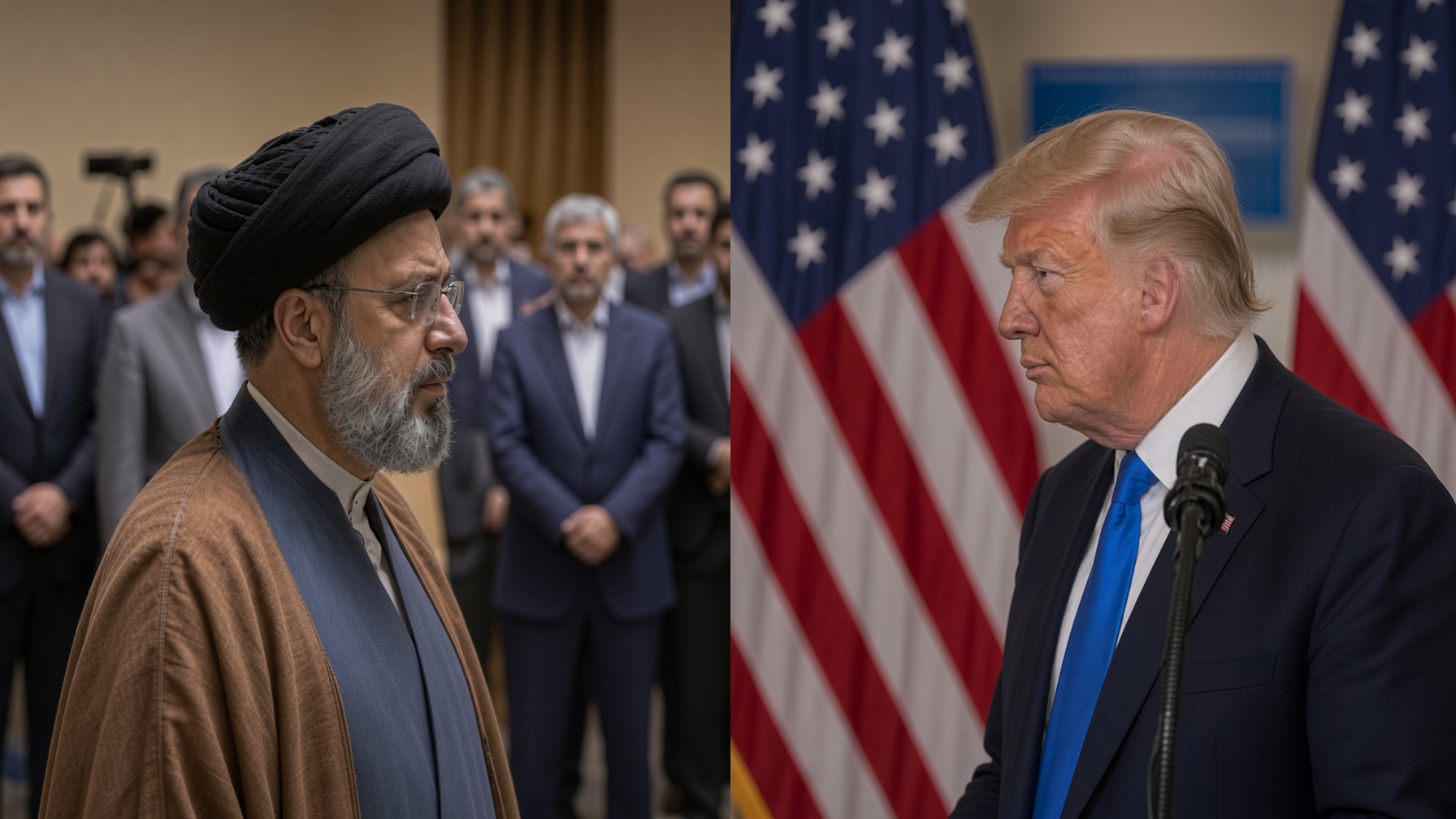
WASHINGTON — Efforts to ease the escalating confrontation between the United States and Iran remain uncertain as military operations, economic pressure and diplomatic contacts continue to collide around one of the world’s most important energy corridors.
The Strait of Hormuz has emerged as a central flashpoint. Shipping through the narrow waterway has fallen sharply following attacks involving U.S. and Iranian forces and commercial vessels. Reuters reported Monday that an average of just 10 commodity ships per day crossed the strait over the previous 10 days, the lowest level since May.
The disruption is already affecting global energy markets. Oil prices moved toward six-week highs on Monday, with Brent crude approaching $100 a barrel as traders assessed the risk of prolonged interruptions to supplies from the region.
🕊️ Diplomatic Path Remains Unclear
Diplomatic efforts continue despite the deteriorating security environment, but no comprehensive settlement has emerged.
The central disputes include Iran’s nuclear activities, U.S. sanctions, maritime security and the movement of commercial shipping through the Strait of Hormuz. The latest escalation has made negotiations more difficult while both sides remain engaged in military confrontation.
Iran has also indicated plans to establish a new restricted maritime zone near the strait, adding another potential complication for international shipping.
💰 Economic Pressure Intensifies
Washington’s economic campaign has also placed significant pressure on Iran’s energy sector.
Reuters reported that U.S. sanctions and a naval blockade have sharply restricted Iran’s ability to export crude and access foreign currency. Iran went roughly seven weeks without meaningful crude exports through the Strait of Hormuz, according to Reuters, representing a major disruption to one of Tehran’s principal sources of foreign-currency revenue.
The consequences extend beyond Iran. Reduced shipping through Hormuz has increased concerns about global oil and fuel supplies, contributing to higher energy prices and greater market volatility.
⚔️ Military Confrontation Continues
Military tensions remain elevated, with U.S. and Iranian forces exchanging attacks in and around the Gulf. Recent incidents involving tankers and other vessels have further complicated efforts to restore normal maritime traffic.
Iran has warned that regional energy infrastructure could become vulnerable to retaliation, while Washington continues to apply military and economic pressure.
For now, there is no confirmed comprehensive agreement between Washington and Tehran. The future of the nuclear dispute, sanctions, maritime security and freedom of navigation remains unresolved.
As military pressure, economic restrictions and diplomatic efforts continue simultaneously, the Strait of Hormuz remains a critical pressure point with consequences reaching far beyond the Middle East.