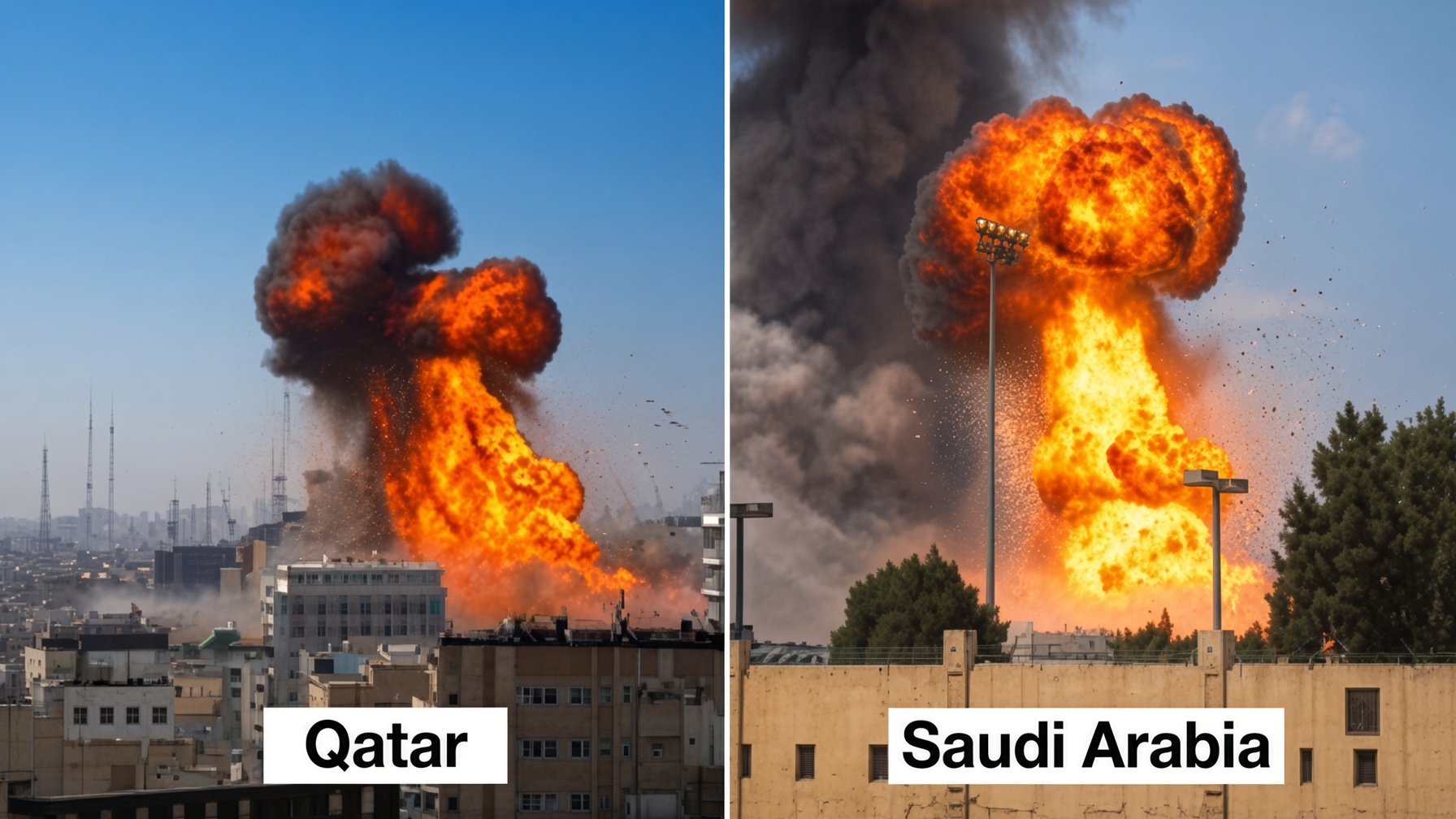
DUBAI — Tensions across the Persian Gulf have intensified as Iran launched missile and drone attacks against U.S. allies in the region, raising concerns that the expanding conflict could further threaten American military personnel, commercial shipping and critical energy infrastructure.
Recent attacks have targeted or threatened locations in several Gulf states that host U.S. military facilities. Reuters and The Associated Press reported that Iranian forces have launched attacks against U.S. interests and allied positions in countries including Kuwait, Bahrain, Qatar and the United Arab Emirates.
The latest escalation follows renewed U.S.-Iran fighting and comes as tensions remain particularly high around the Strait of Hormuz, a strategically important waterway through which a significant portion of the world’s energy supplies normally passes.
U.S. Bases and Gulf States on Alert
Kuwait and Bahrain have previously reported Iranian missile and drone attacks, with their air-defense systems responding to incoming threats. U.S. military installations in both countries have been placed under heightened security measures during periods of intensified fighting.
Qatar, another major U.S. military partner, has also faced Iranian attacks during the conflict. The country is home to Al Udeid Air Base, a major American military installation in the region.
The United Arab Emirates has likewise reported Iranian threats and attacks. Reuters reported that Iranian fire has affected the UAE during the wider conflict, while Emirati authorities have taken defensive measures against incoming threats.
Reports of explosions, smoke and air-defense activity have circulated during individual attacks, but details can change rapidly as authorities assess damage and determine exactly what was struck.
Regional Governments Urge Caution
Authorities across the Gulf have repeatedly urged residents to remain indoors or follow official safety instructions during periods of missile and drone activity.
The attacks have also raised concerns beyond military installations. Commercial shipping through the Strait of Hormuz has been disrupted by the broader confrontation, while Iran has threatened further measures affecting the strategically vital waterway. Reuters reported that vessel traffic through the strait has fallen sharply amid the renewed hostilities.
The economic consequences are already being felt internationally. Oil prices have risen as traders assess the risks to Gulf production and shipping, although continued flows through the strait and alternative export routes have prevented prices from rising even further.
The situation remains fluid, with Washington and Tehran continuing to exchange threats and military strikes. Regional governments are maintaining heightened security as they attempt to protect their populations and critical infrastructure.
With U.S. forces operating from several Gulf countries, further attacks could widen the conflict and place additional pressure on governments seeking to prevent the confrontation from spreading throughout the region.