WASHINGTON — A recent exchange involving President Donald Trump and CNN anchor Jake Tapper has renewed debate over the relationship between political leaders and the news media, including questions about press independence, presidential criticism and the role of journalists when interviewing powerful officials.
During the conversation, Trump said he was trying to move CNN toward what he described as a “normal path,” a comment that quickly drew attention because of the president’s longstanding criticism of major news organizations.
“We’re trying to have CNN go on a normal path, and we will do that,” Trump said.
Trump did not provide a detailed explanation in the exchange of what he meant by changing CNN’s direction. His comments nonetheless prompted discussion about the distinction between a president publicly criticizing a news organization and attempting to influence its editorial decisions.
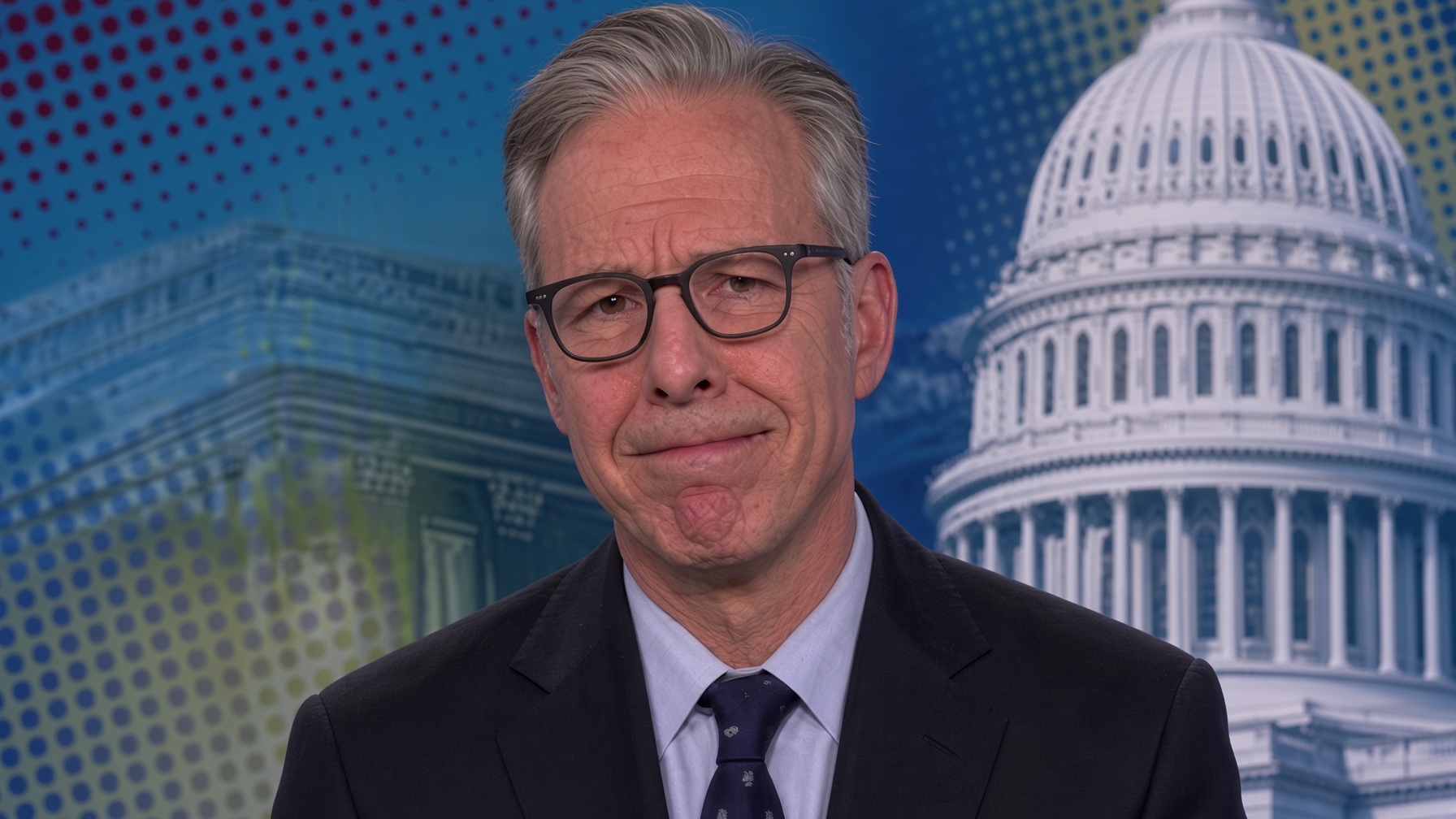
Tapper responded by thanking Trump for participating and said he was on a “normal path” during the interview. He also indicated that he would welcome Trump back for another conversation.
The exchange generated competing reactions online, with some critics arguing that journalists should challenge presidents more aggressively while others viewed the interview as an example of the difficult balance between maintaining access to senior officials and pressing them on contentious issues.
Media Independence Under Scrutiny
The dispute comes amid a broader and longstanding argument over the role of major American news organizations in political coverage.
CNN has faced criticism from both Republicans and Democrats at different points, reflecting the increasingly polarized environment surrounding national political journalism. During the 2024 presidential campaign, CNN’s decision to host a Trump-Biden debate also drew scrutiny over the network’s role as both a news organization and event moderator. Reuters reported that CNN’s debate moderators, including Tapper, did not fact-check the candidates in real time, a decision that itself became part of the media debate.
Trump has frequently criticized news organizations whose coverage he believes is unfair or inaccurate. His supporters generally argue that political leaders have a right to challenge media coverage publicly, while critics contend that sustained attacks against news organizations can contribute to public distrust of independent journalism.
The distinction between criticism and government interference remains significant. A president’s public statements about a news organization do not, by themselves, establish government control over that organization. Editorial decisions remain the responsibility of the media outlet and its leadership.
The Challenge for Political Journalism
For journalists, interviews with presidents and other senior officials can provide the public with direct access to policymakers and their positions. At the same time, such interviews require reporters to question statements, seek clarification and examine claims rather than simply provide a platform for political messaging.
Tapper has previously conducted contentious interviews with Trump allies and other senior political figures. His 2018 interview with then-White House adviser Stephen Miller, for example, ended abruptly after a heated exchange over criticism of Trump’s presidency and media coverage.
The latest Trump-Tapper exchange therefore fits into a much broader history of tension between presidents and the press.
As political polarization continues to shape the American information environment, disagreements over presidential criticism of news organizations are likely to persist. The central issue remains the ability of journalists to maintain editorial independence while giving the public meaningful access to elected officials and holding those officials accountable for their statements and actions.