WASHINGTON — The crisis surrounding the Strait of Hormuz is intensifying as the Trump administration presses for freedom of navigation while diplomatic efforts involving the United States, Iran and regional governments continue amid renewed military confrontation.
Secretary of State Marco Rubio has said Washington remains committed to keeping the strategic waterway open, describing continued attacks and disruptions to commercial shipping as a major international concern. In a Sept. 1 interview, Rubio said the United States would continue targeting threats to American forces and global shipping and maintained that the strait should not remain under Iranian control.
At the same time, U.S. Central Command has acknowledged additional military operations against Iranian targets. CENTCOM said Sept. 1 that American forces struck Islamic Revolutionary Guard Corps facilities, including air-defense systems, radar, maritime assets, mine-laying capabilities and communications sites. The command said the operations followed attempted attacks against commercial shipping and U.S. personnel.
⚔️ Military Pressure Meets Diplomacy
The military developments have unfolded alongside diplomatic efforts aimed at addressing the broader conflict and restoring stability to regional shipping routes.
Earlier negotiations produced a U.S.-Iran memorandum covering outstanding issues, including cessation of military operations and freedom of navigation through the Strait of Hormuz. Qatar has said the agreement was intended to provide a foundation for continued negotiations.
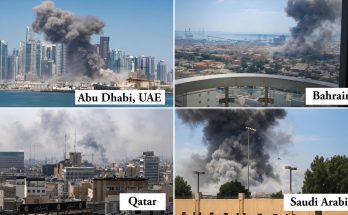
But subsequent developments have demonstrated how fragile the situation remains. Recent attacks involving commercial vessels and energy infrastructure have again raised concerns about the security of one of the world’s most important maritime chokepoints.
🌍 Global Energy Stakes
The Strait of Hormuz carries enormous significance for global energy markets. Any prolonged disruption threatens to increase transportation costs, restrict oil supplies and place additional pressure on economies that depend heavily on Gulf energy exports.
Recent reporting indicates that diplomatic efforts to establish a broader framework for managing shipping through the strait have faced setbacks, while attacks in and around the region continue to affect energy markets.
🔎 What Comes Next
Washington continues to emphasize preventing attacks on American forces and commercial shipping, while regional governments are seeking diplomatic mechanisms to reduce the risk of further escalation.
For now, however, diplomacy and military action remain intertwined.
The central challenge is whether negotiations can produce durable security arrangements for the Strait of Hormuz while preventing another cycle of attacks, retaliation and disruption to global energy supplies.