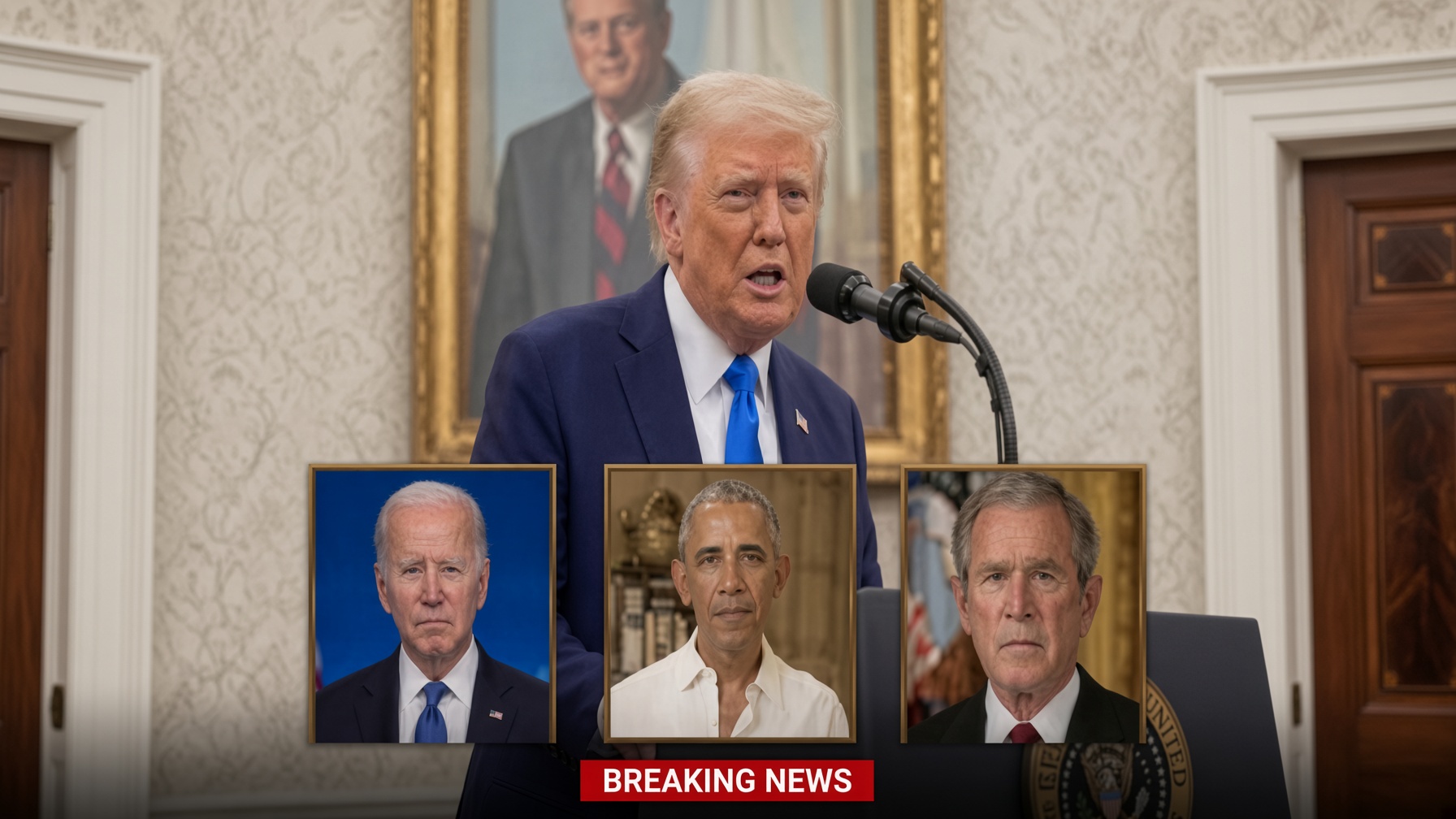
WASHINGTON — The continuing dispute between President Donald Trump and major news organizations has reignited a broader national debate over the role of the press, government accountability and the limits of political influence in American public life.
The conflict is not new. Trump has maintained a contentious relationship with parts of the news media throughout his political career, frequently challenging coverage he considers inaccurate or politically biased. His supporters argue that established news organizations should face scrutiny like any other institution and that Americans should have access to competing sources of information.
Critics, meanwhile, contend that sustained attacks on journalists can contribute to an environment in which reporters face greater pressure while investigating government officials. They also raise concerns when disputes over coverage become connected to questions about press access, briefings and opportunities to question administration officials.
At the center of the debate is the constitutional protection for freedom of the press.
🇺🇸 What the Constitution Protects
The First Amendment states that Congress may not abridge freedom of speech or of the press. The constitutional protection is a central safeguard for the publication and distribution of information in the United States.
The Supreme Court has recognized important protections for the press while also making clear that journalists do not possess an unlimited constitutional right to obtain government information or special access unavailable to the public. At the same time, government actions that specifically target media organizations can raise First Amendment concerns depending on the circumstances.
That distinction makes the relationship between elected officials and journalists particularly complex.
📰 A Changing Media Landscape
The argument is also unfolding during a dramatic transformation in how Americans receive news.
Traditional newspapers, television networks and news agencies now compete with digital publications, independent journalists, podcasts, livestreams and social-media creators. The White House itself has expanded its outreach to newer forms of media, including independent journalists and online content producers.
Supporters of this broader media environment argue that established organizations should not automatically receive greater credibility simply because they are longstanding institutions.
Professional journalism organizations, however, emphasize the importance of verification, transparent sourcing, corrections and investigative reporting. Those standards are intended to help audiences distinguish documented facts from opinion, speculation and unverified claims.
⚠️ The Fight Over Access
Press access remains one of the most sensitive areas of the debate.
Reporters covering the White House depend on briefings, interviews, official documents and opportunities to question government officials. Access can provide important information to the public, but disputes can arise when journalists publish critical or unfavorable coverage.
The constitutional question is not simply whether reporters should have access, but whether government decisions involving media access are being made through neutral policies or are influenced by the content of a particular outlet’s reporting. Supreme Court precedent recognizes that the press does not automatically possess a special right to government information, while restrictions specifically targeting the press can raise constitutional issues.
🇺🇸 Accountability on Both Sides
The broader dispute ultimately extends beyond Trump or any individual news organization.
Government officials have the right to criticize media coverage and challenge reporting they believe is inaccurate. Journalists, meanwhile, have a responsibility to verify information, correct errors and distinguish factual reporting from commentary.
The First Amendment does not guarantee that every news organization will be trusted, nor does it require the public to accept every report as accurate. It establishes a constitutional framework protecting press freedom while leaving journalists responsible for the standards of their profession.
As political polarization continues and Americans increasingly obtain information from competing platforms, the debate over Trump and the media is likely to remain a prominent issue.
The larger question extends beyond one administration: How can government officials face rigorous scrutiny while journalists maintain independence, accuracy and public trust?
That tension between political power, press a